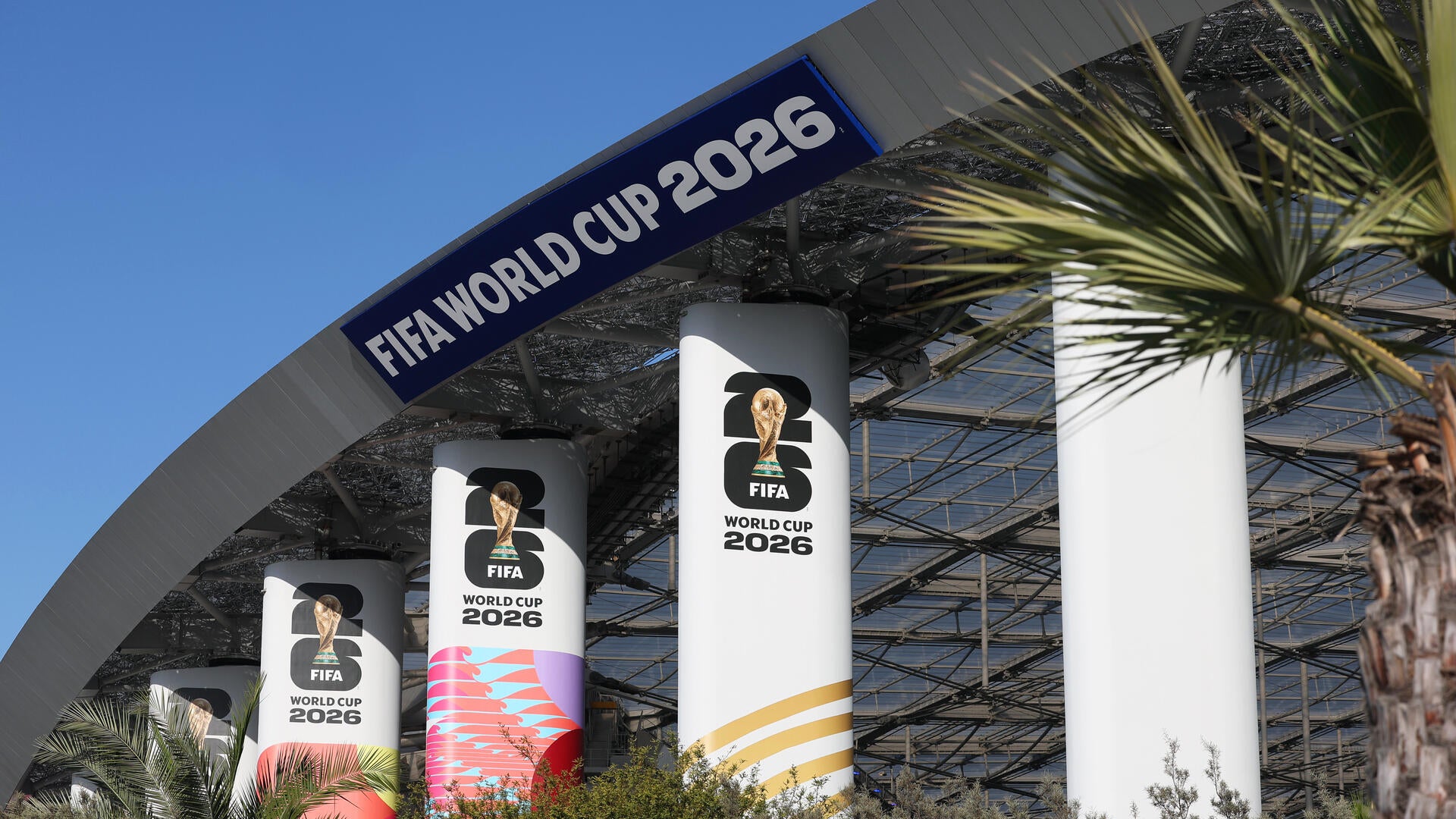
Global football's governing body, FIFA, has sensationally U-turned on its highly contentious proposal to significantly alter the World Cup schedule and seek a staggering $29 billion (AUD) investment, following widespread opposition.
FIFA President Gianni Infantino confirmed the scrapping of the ambitious — and widely criticised — plan, which had envisioned biennial World Cups and a revamped Confederations Cup format, much to the relief of football purists and power brokers alike. The decision marks a significant capitulation for Infantino, who had championed the reforms as essential for the sport's global development and financial future.
Pressure Mounts, Plan Collapses
The proposed changes, which included holding the men's and women's World Cups every two years instead of four, faced a relentless barrage of criticism almost from their inception. Football federations across Europe and South America, powerful domestic leagues such as the English Premier League and Spain's La Liga, and even player unions vociferously opposed the shake-up. Concerns ranged from player welfare due to increased workload to the dilution of the World Cup's prestige and the potential for fixture congestion that would suffocate domestic competitions.
CBS Sports NY reported that the intensity of this global backlash ultimately proved too great for Infantino and FIFA's executive council to withstand. The proposed $29 billion investment, which was reportedly to be raised from external sources and then redistributed to member associations, also raised eyebrows regarding its feasibility and the long-term financial implications for the sport.
The Unravelling of a Vision
Infantino had initially framed the reforms as a democratic move, claiming they would benefit smaller nations by providing more opportunities for global participation and a larger share of FIFA's considerable revenues. However, critics swiftly countered that the financial incentives were merely a thinly veiled attempt to consolidate FIFA's power and influence, while potentially undermining existing continental tournaments and qualifying cycles.
Key figures in European football, including UEFA president Aleksander Čeferin, had been particularly vocal in their opposition, threatening boycotts and even the formation of a rival competition should FIFA press ahead. This united front from established footballing powers ultimately proved decisive in forcing FIFA's hand, demonstrating the limits of its authority when confronted by a unified block of influential stakeholders.
What This Means for Football's Future
The abandonment of these drastic reforms brings a measure of stability back to the international football calendar, at least for the foreseeable future. It signals a victory for traditionalists and those who champion the established four-year cycle of the World Cup, which many believe is crucial to maintaining its exclusivity and allure. The current format, with its rigorous qualification campaigns and the anticipation built over four years, contributes significantly to the tournament's global appeal and economic success.
While the immediate threat of a biennial World Cup has receded, the episode highlights ongoing tensions within global football regarding governance, financial distribution, and the balance of power between FIFA, continental confederations, and national leagues. It also underscores the importance of consensus-building in major decisions affecting a sport with such widespread global impact. For Australian football fans, the immediate future of the sport's premier tournament remains unchanged, preserving the quadrennial spectacle we have come to know and love.