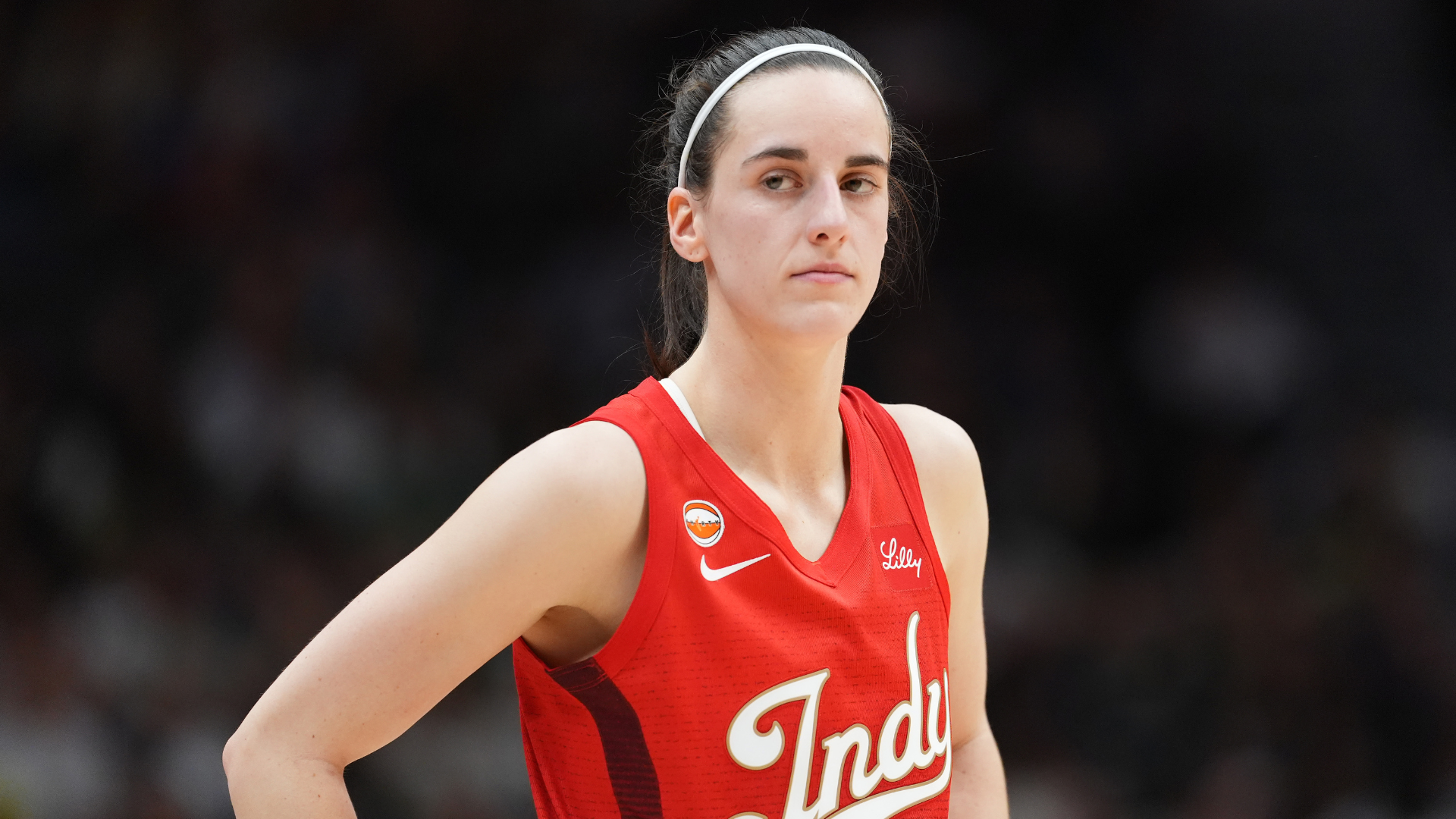
US basketball sensation Caitlin Clark has, for the first time, directly responded to remarks made by Australian WNBA player Sophie Cunningham concerning the participation of transgender athletes in women's sport, wading into a highly sensitive and increasingly polarised discussion.
Clark, whose every move is scrutinised since her blockbuster entry into the WNBA, chose her words carefully, acknowledging the complexity of the issue that has divided athletes, coaches, and fans globally. Her comments come as the debate over fairness, inclusion, and biological advantage continues to escalate within sports, with a particular focus on women's categories.
Cunningham's Stance Ignites Debate
The controversy was sparked by Phoenix Mercury guard Sophie Cunningham, a prominent Australian figure in the league, who recently voiced strong opinions on the topic. While specific details of Cunningham's original comments were not provided by CBS Sports NY, they evidently touched a nerve, prompting widespread discussion and drawing both support and criticism from various corners of the sporting world.
Cunningham's remarks are understood to have highlighted concerns often raised by athletes regarding competitive equity when transgender women compete in sports designed for biological women. This viewpoint resonates with a segment of the sporting community that advocates for policies based on biological sex differences, citing potential disadvantages for cisgender female athletes.
WNBA Coaches Advocate for Inclusion
In stark contrast to the perceived stance of Cunningham, two influential figures within the WNBA coaching ranks have publicly articulated their support for inclusion. Minnesota Lynx coach Cheryl Reeve and Seattle Storm assistant coach Natalie Nakase both used weekend platforms to advocate for a more inclusive environment in women's basketball. While neither coach directly addressed Cunningham's comments, their statements provided a powerful counter-narrative, emphasising the importance of welcoming all athletes.
CBS Sports NY reported that both Reeve and Nakase underscored principles of diversity and respect, aligning with the WNBA's broader commitment to social justice and equality. Their interventions highlight the internal divisions within the league, illustrating a spectrum of opinions that range from calls for strict biological categories to unwavering support for transgender inclusion.
Clark Navigates a Thorny Issue
Caitlin Clark's decision to finally speak on the matter underscores the growing pressure on high-profile athletes to address contemporary social issues. Her statement, meticulously delivered, reflects the tightrope many public figures walk when engaging with such divisive topics. She acknowledged the differing perspectives without explicitly endorsing one side, a common strategy for athletes keen to maintain broad appeal while not appearing to shy away from important conversations.
For a player who has already redefined the economic landscape of women's basketball – drawing unprecedented viewership and sponsorship, potentially worth hundreds of millions of Australian dollars – her words carry significant weight. The discourse surrounding transgender athletes is not merely theoretical; it has practical implications for league policies, athlete participation, and the very definition of fair play in professional sport. As the WNBA grapples with these complex questions, the voices of its biggest stars like Clark, and its Australian contingent like Cunningham, will continue to shape the narrative and influence public opinion.