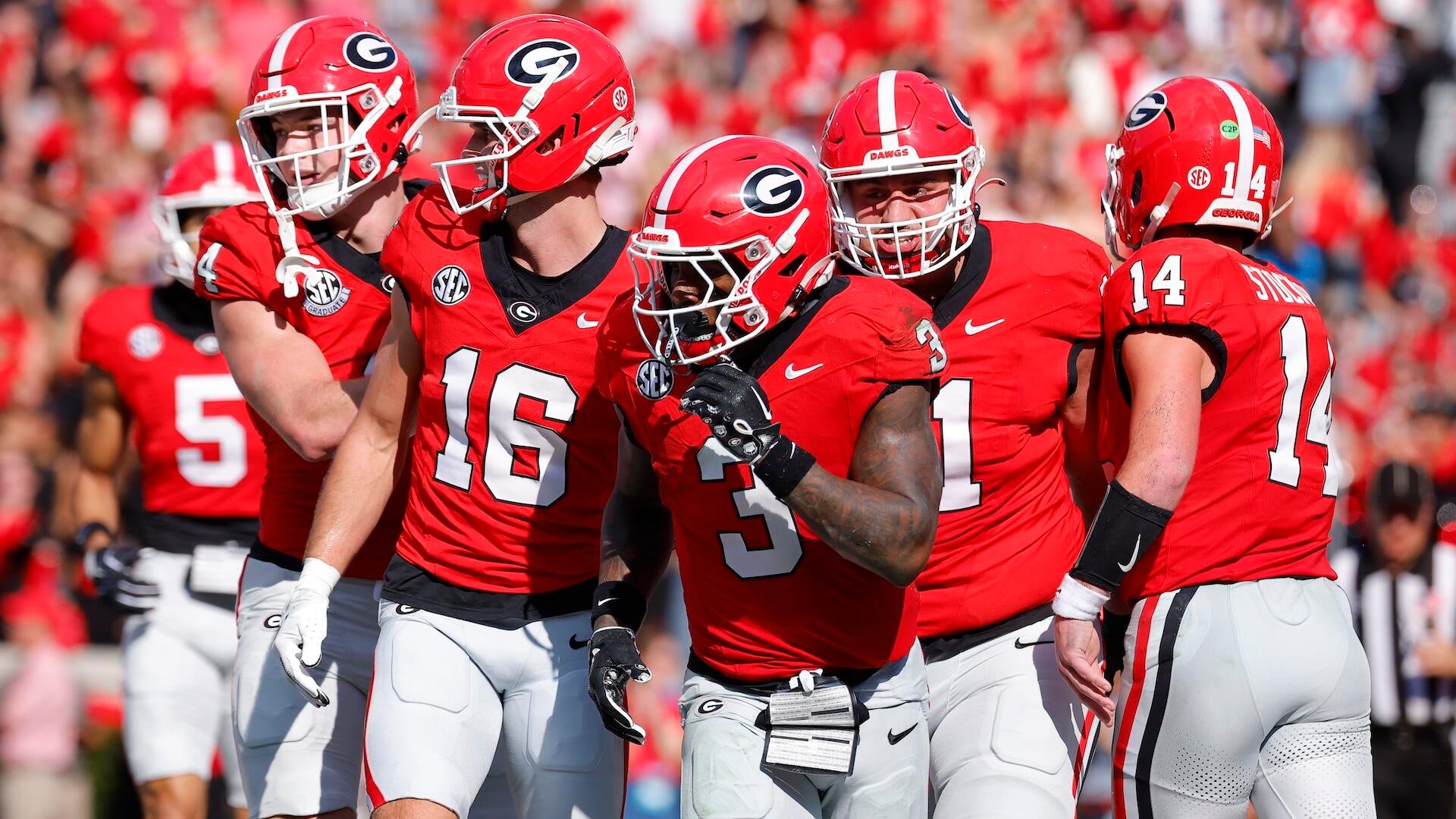
ATHENS, GEORGIA – The mighty Georgia Bulldogs, a perennial powerhouse in US college football, are gearing up for a 2026 season fraught with both immense expectation and significant uncertainty. While the coveted quarterback position appears settled with the ascendancy of Gunner Stockton, analysts south of the equator are scrutinising whether the Bulldogs possess the offensive firepower to reclaim their championship glory.
Stockton Steps Up: The New Signal Caller
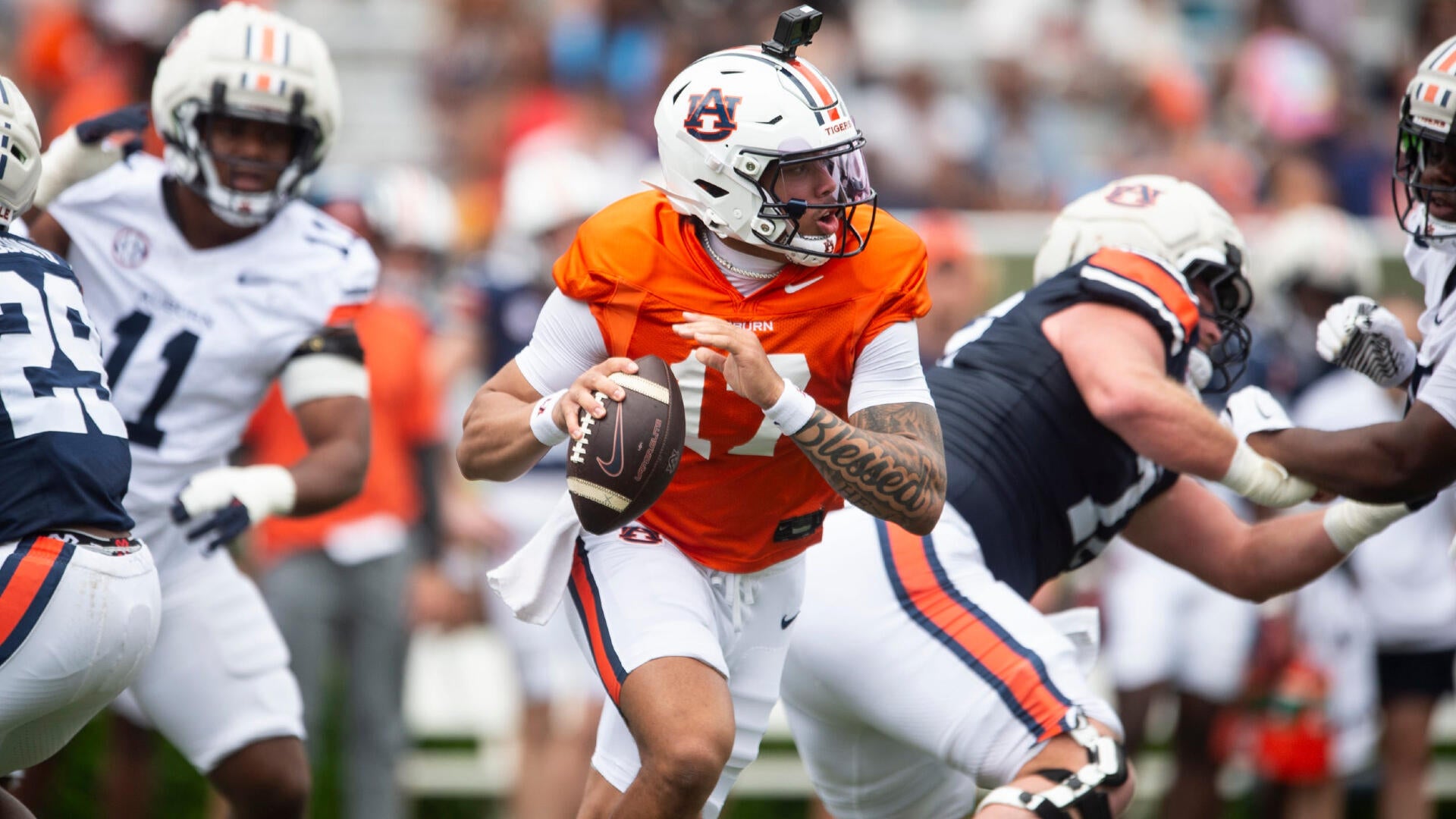
All eyes are firmly fixed on Gunner Stockton, the promising young quarterback poised to lead the Bulldogs' charge. After a period of speculation, Stockton has seemingly cemented his place as the starter, a crucial development for a team accustomed to elite quarterback play. His development and ability to command the intricate Georgia offence will undoubtedly be the linchpin of their season. The transition to a new signal caller always presents challenges, but for a program with aspirations as high as Georgia's, Stockton's performance will be under a microscope from the first snap. His arm talent and leadership will need to rapidly mature to navigate the rigorous Southeastern Conference (SEC) schedule and the high-stakes playoff picture.
The Receiving Corps: A Question Mark over Talent
Perhaps the most pressing concern highlighted by US sports outlet CBS Sports NY pertains to the Bulldogs' receiving corps. Described as "unheralded" and lacking the star power seen in previous championship teams, the onus is on this group to prove their mettle. In modern college football, a dominant receiving unit is often the difference-maker, capable of stretching defences and creating explosive plays. Without a clear "go-to" receiver or a deep roster of proven playmakers, Stockton's job becomes inherently more challenging. The development of young talent and the emergence of unexpected stars will be critical if Georgia is to maintain its offensive potency. Coaches will be working overtime to maximise the potential of every receiver on the roster, as the lack of an established offensive threat could allow opposing defences to key in on Georgia's formidable running game.
Monken's Mettle: Offensive Coordinator Under Scrutiny
Compounding the questions around the receiving corps is the ongoing scrutiny of offensive coordinator Mike Monken. Despite Georgia's recent successes, Monken's play-calling and offensive philosophy have occasionally drawn criticism from pundits. CBS Sports NY notes that his tenure has been "oft-questioned," suggesting that a perceived conservatism or lack of innovative offensive schemes could hinder the Bulldogs' potential. In an era where many top programs are embracing high-flying, pass-heavy attacks, Monken faces pressure to demonstrate that his strategic approach can still generate championship-level offensive output. His ability to adapt, innovate, and exploit defensive weaknesses with the talent he has will be paramount, especially given the challenges at the receiver position. A failure to evolve could see the Bulldogs' powerful defence constantly bailing out a sputtering offence.
The Path to Glory: More Than Just Defence?
For years, Georgia's defence has been the bedrock of its success, stifling opponents and often carrying the team to victory. While the defence is expected to remain elite in 2026, relying solely on it to win titles is a risky proposition in the modern college football landscape. The Bulldogs will need a complementary, high-performing offence to relieve pressure on the defence and convert opportunities into points. The upcoming season will be a true test of Kirby Smart's program – can they reload and re-establish offensive dominance, or will the perceived weaknesses in the receiving room and offensive scheme prove to be their Achilles' heel? Australian fans, many of whom follow American college sports with increasing fervour, will be keenly watching to see if the Bulldogs can once again ascend to the pinnacle of American collegiate gridiron.