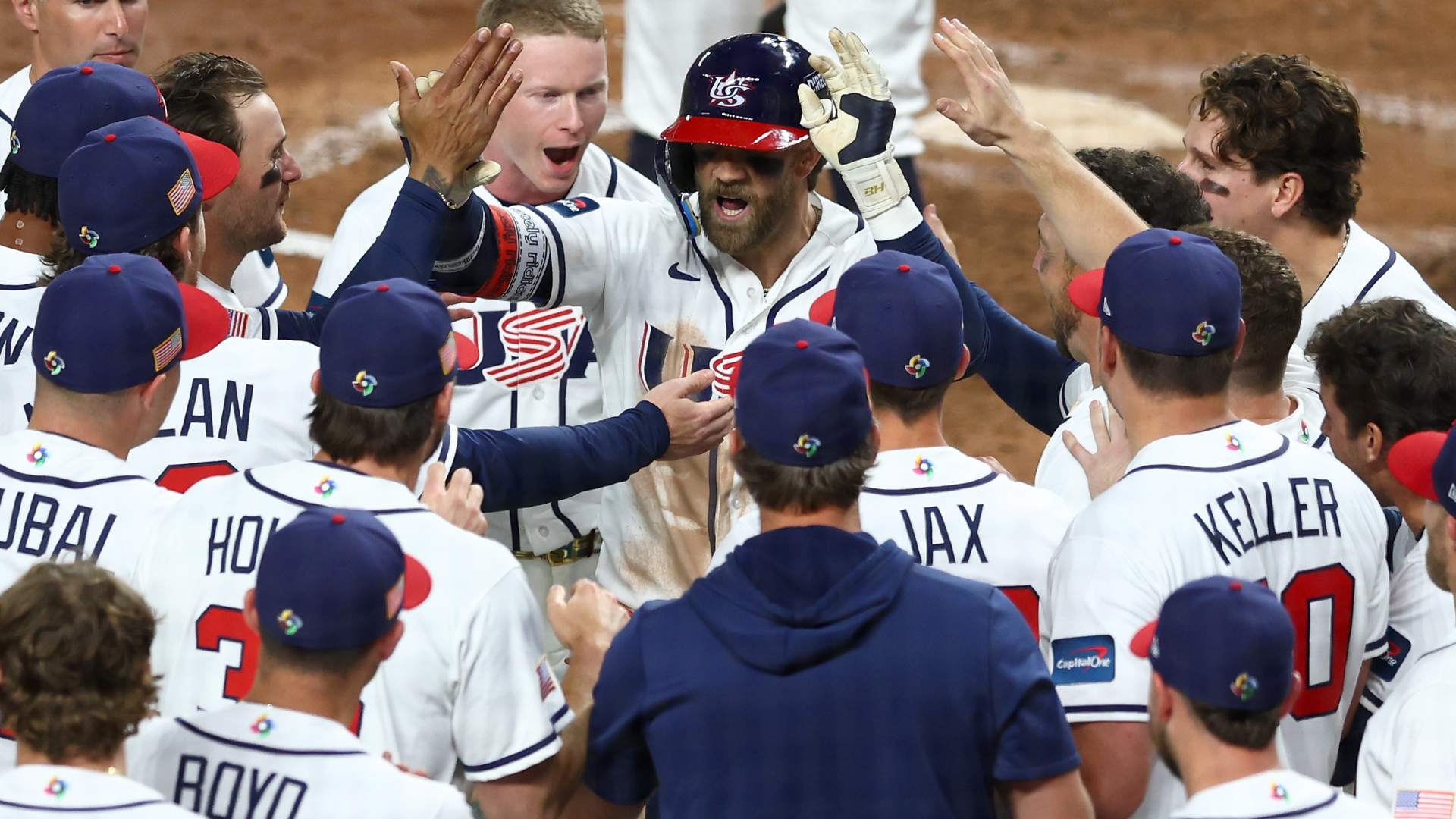
The crack of the bat and the roar of the crowd are typically hallmarks of baseball's thrilling postseason, but a growing chorus of voices, including prominent US sports analysts, is sounding the alarm over what they see as an alarming trend: too many teams making the cut.
CBS Sports NY, a leading American sports news outlet, recently published a scathing critique titled 'Snyder's Soapbox: Please, stop expanding the MLB playoffs,' arguing that the current playoff format already includes too many contenders, diminishing the elite nature of baseball's championship hunt. The sentiment resonates with many long-time fans who believe the integrity of the sport’s ultimate prize is at stake, much like concerns raised when Australia's own rugby league or Australian Rules football competitions adjusted their final series structures.
Diluting the Diamond Drama
For decades, making the Major League Baseball playoffs was an arduous feat, reserved only for division champions and a select few Wild Card teams. This exclusivity ensured that every regular season game carried immense weight, often culminating in nail-biting finishes and epic rivalries. The expansion to ten teams (five from each of the American and National Leagues) has already broadened the field, meaning nearly a third of the league's 30 teams now get a shot at the Commissioner’s Trophy. The fear, as highlighted by CBS Sports NY, is that further expansion could see this proportion climb even higher, transforming a hard-earned privilege into an expected occurrence.
The core argument against expansion hinges on the idea of 'dilution.' When more teams qualify, the drama and intensity of the regular season, a marathon of 162 games, invariably suffer. Why fight tooth and nail for a top seed – or even a division title – if a mediocre record is still good enough to sneak into the dance? Australian sports fans familiar with the intense competition for finals berths in the NRL or AFL would understand this concern; easing entry requirements inevitably lowers the stakes of each weekly fixture.
The Financial Foul Ball
While purists argue for sporting integrity, the drive for playoff expansion in professional sports often boils down to one undeniable factor: money. More playoff games mean more television revenue, greater sponsorship opportunities, and increased ticket sales. For MLB, currently facing stiff competition for viewership from other major American sports like American Football and Basketball, expanding the postseason offers a seemingly easy path to boost income.
However, CBS Sports NY points out that this short-term financial gain could come at a significant long-term cost to the sport's prestige and fan engagement. If the regular season becomes less meaningful, will fans be as invested in games that no longer feel 'must-win'? Will casual viewers tune in for a playoff series featuring a team that finished with a losing record or barely above .500? The estimated economic benefit for an extra wildcard game might look enticing on a balance sheet – perhaps an additional AUD$10-20 million in broadcasting rights – but if it erodes the fundamental appeal of the sport, it's a false economy.
The Australian Perspective: A Cautionary Tale?
Australians are no strangers to debates about sporting finals structures. Both the AFL and NRL have tinkered with their playoff systems over the years, often drawing criticism when changes are perceived to benefit lower-ranked teams or reduce the advantage of finishing higher on the ladder. The outcry from fans, particularly when a team with a middling record progresses deep into the finals, echoes the concerns now being raised about MLB.
The Sydney Daily News understands that Major League Baseball faces unique challenges in maintaining its relevance in a crowded US sports market. However, the path of least resistance – simply adding more playoff spots – is viewed by many as a short-sighted approach. The beauty of baseball, like many long-form sporting competitions, lies in its gruelling regular season and the immense achievement of overcoming 29 other teams. Undermining this journey for the sake of a few extra playoff ties could be a strategic error that alienates the very fans MLB aims to attract and retain.