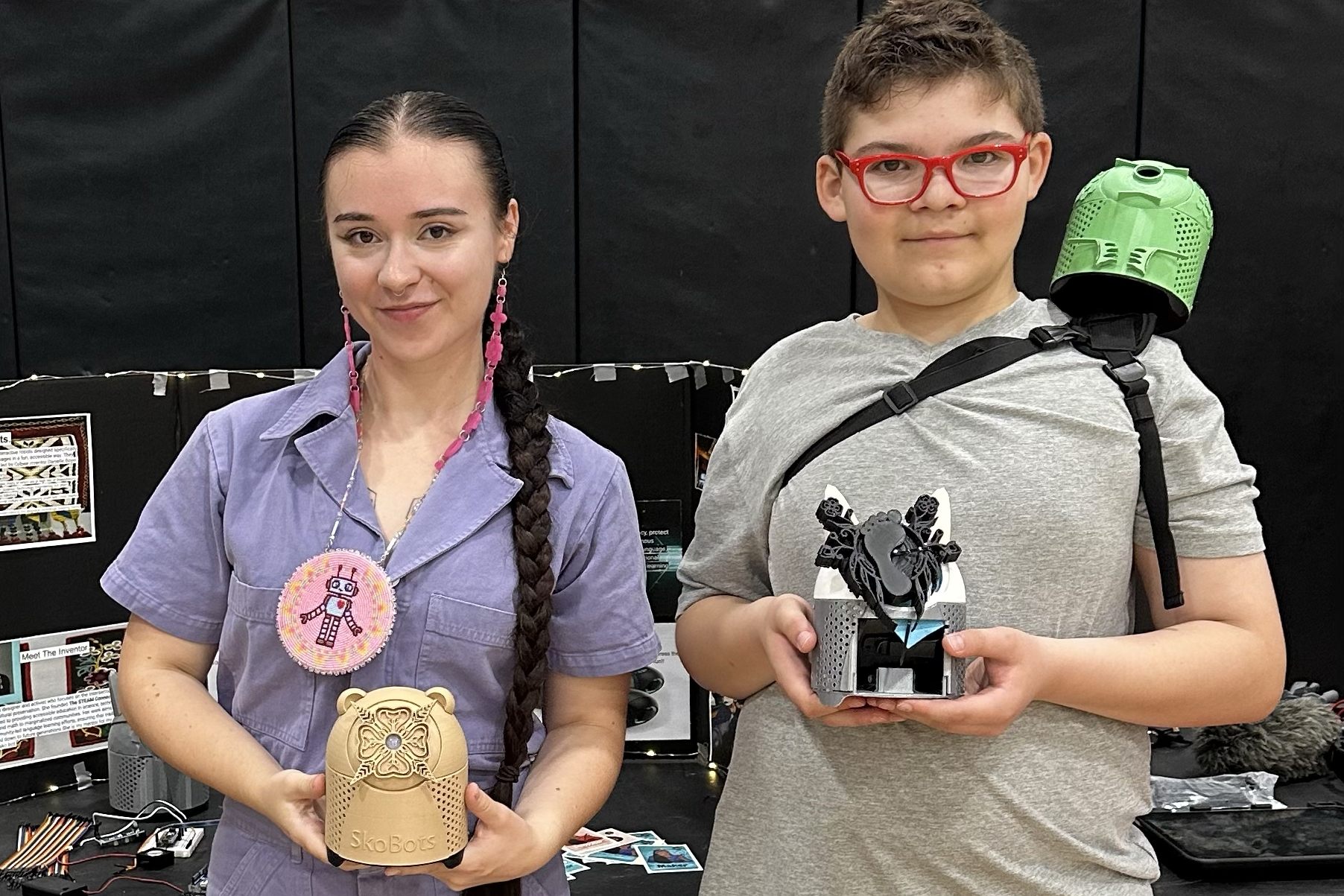
In a hopeful convergence of ancient culture and cutting-edge technology, Indigenous children in the United States are programming robots to speak their endangered native languages. This innovative approach, exemplified by a 12-year-old Michigan boy, is providing a new pathway for the preservation of invaluable linguistic heritage.
Digital Guardians of Language
Many Native American languages face an existential threat, with fewer and fewer fluent speakers each generation. This grim reality has spurred communities to explore novel methods of revitalisation. One such initiative, as reported by NPR National, involves young Indigenous pupils working alongside mentors to encode their languages into humanoid robots. The robots serve not just as engaging educational tools, but as digital guardians, offering an accessible way for children to interact with and learn phrases, songs and stories in their ancestral tongue.
For 12-year-old Liam, a student in Michigan, this hands-on project is deeply personal. Guided by his mentor, a language preservationist, Liam is spending countless hours programming a small robot with Anishinaabemowin, the language of the Anishinaabe people. The process involves meticulous recording of words and phrases, followed by complex coding to ensure the robot can pronounce them accurately and respond interactively. The aim is to create an educational resource that is both fun and effective, appealing to a generation growing up immersed in digital technology.
From Classroom to Community
The impact of this program extends beyond individual students. The robots, once programmed, are envisioned as community assets, deployed in schools, cultural centres, and even homes. They can lead language lessons, tell traditional stories, and engage children in conversational practice, all in their respective Indigenous languages. This provides a playful and non-intimidating environment for learning, crucial for younger children who might otherwise feel self-conscious about speaking a language their peers do not. The initiative bypasses some traditional learning barriers, making language acquisition feel like an exciting game rather than a daunting academic task.
Mentors involved in the program, like Liam’s, often have backgrounds in both technology and language preservation. They guide the children through the technical aspects of robotics and coding, while also instilling a deep appreciation for their cultural heritage. The cost of such programs, while variable, is often supported through grants and community funding, with a typical robot costing several hundred to a few thousand Australian dollars, excluding software and development time.
A Global Blueprint for Preservation?
While currently concentrated in Native American communities, the success of these robot-led initiatives offers a compelling blueprint for Indigenous language preservation globally. Australia, with its rich tapestry of Aboriginal and Torres Strait Islander languages, many of which are critically endangered, could potentially adapt similar programs. Imagine students in regional Indigenous communities programming robots to speak Arrernte, Wiradjuri, or Palawa Kani, creating engaging, interactive learning tools for their peers and future generations.
The initiative highlights a pivotal shift in language revitalisation efforts, moving from purely academic or adult-focused approaches to engaging children on their own terms. By intertwining the appeal of robotics with the profound importance of cultural identity, these young digital pioneers are not just programming machines; they are actively weaving the threads of their heritage into the fabric of the future, ensuring their languages do not just survive, but thrive.