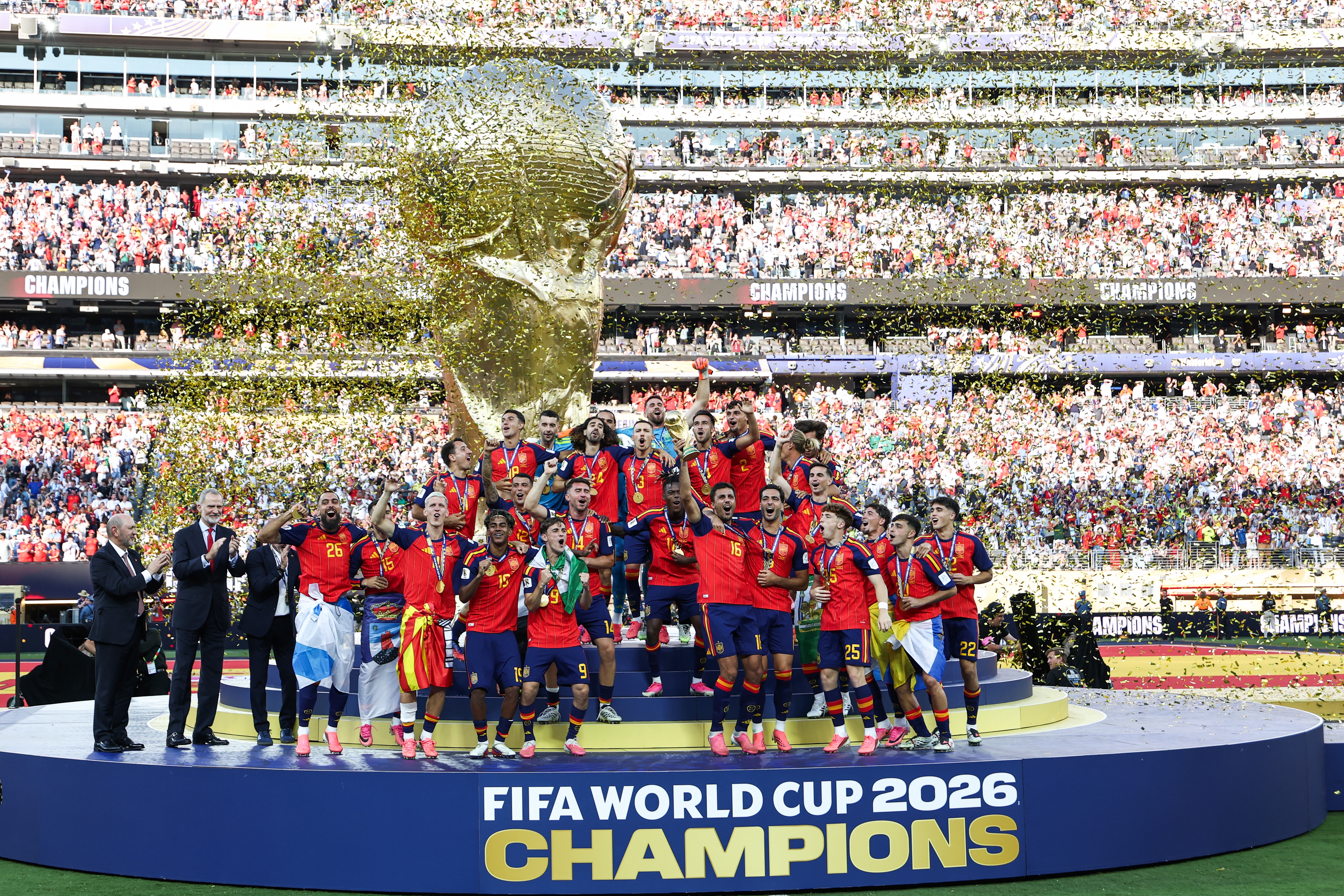
The dust has settled on the 2026 FIFA World Cup, a tournament that captivated audiences worldwide from its North American base. For nearly six exhilarating weeks, football's premier event unfolded across the United States, Mexico, and Canada, delivering a spectacle that exceeded even the loftiest expectations.
From groundbreaking technological advancements to unexpected underdog triumphs, this World Cup, the first to feature 48 teams, offered a smorgasbord of unforgettable moments. As the final whistle blew, a collective sense of wonder lingered, prompting a reflection on the tournament's most impactful elements.
Unprecedented Scale and Fan Engagement
NPR National's team of journalists, who covered the event extensively, highlighted the sheer scale of the tournament as a defining feature. With 104 matches spread across 16 cities, the logistical undertaking was immense, yet the co-hosts delivered a seamless experience. Fan parks buzzed with energy, demonstrating the widespread appeal of the 'beautiful game' even in regions historically dominated by other sports. Record-breaking attendance figures underscored the fervent excitement, with stadiums routinely filled to capacity, creating an electrifying atmosphere for players and viewers alike. The economic impact was projected to be substantial, with host cities reporting a significant boost to their tourism and hospitality sectors, generating billions of Australian dollars in revenue.
Technological Triumphs and Innovations
Beyond the pitch, technological innovations played a pivotal role in enhancing the viewing experience. The introduction of advanced VAR systems, coupled with real-time biometric data for players, provided unprecedented insights into the game. NPR National reported on how these innovations streamlined officiating decisions and offered rich statistical narratives for broadcasters, bringing fans closer to the action. Furthermore, state-of-the-art stadium infrastructure, featuring augmented reality fan experiences and cashless payment systems, showcased the future of major sporting events, setting new benchmarks for subsequent tournaments. These technological leaps ensured that watching the World Cup, whether in person or from afar, was an immersive and cutting-edge experience.
The Rise of the Underdogs and Tactical Masterclasses
While traditional footballing powerhouses had their moments, the 2026 World Cup was notably marked by the emergence of several underdog nations making deep runs into the knockout stages. Their valiant efforts, often fuelled by tactical ingenuity and unwavering team spirit, captured the imagination of millions and provided compelling narratives. These upsets not only added to the drama but also demonstrated the growing global competitiveness in football, challenging the long-held dominance of a select few. Coaches employed diverse strategies, from high-pressing gegenpressing to disciplined counter-attacking, showcasing the rich tactical evolution of the sport. NPR National observed that these tactical battles were often as enthralling as the goal-scoring feats, providing football purists with much to analyse and discuss.
Cultural Fusion and Lasting Legacy
One of the most rewarding aspects of the North American World Cup was the vibrant cultural fusion it catalysed. Fans from diverse backgrounds converged, sharing their passion for football and celebrating their unique identities. The tournament served as a powerful platform for cultural exchange, with host cities embracing the global influx through various festivals, events, and community initiatives. Beyond the immediate celebrations, the expanded tournament format is expected to leave a lasting legacy, fostering greater participation in football across the co-hosting nations and inspiring a new generation of players. The infrastructure investments and heightened global interest are anticipated to provide a long-term boost to football development, particularly in Canada and the United States, further cementing the sport's burgeoning influence in the region.