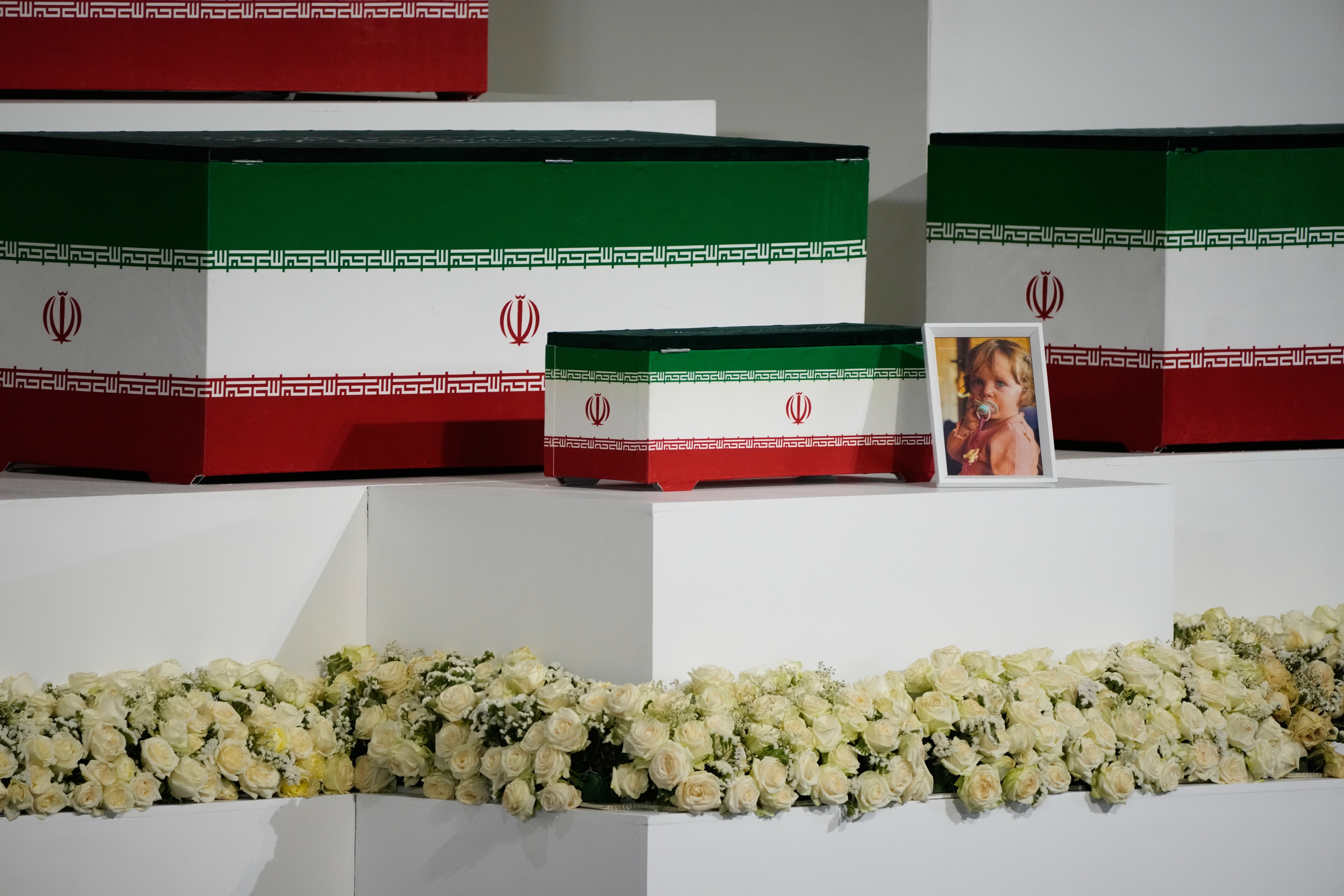
Venezuelan families are enduring unimaginable heartbreak, forced to identify their loved ones among rows of earthquake victims laid out in makeshift morgues – a stark testament to the overwhelmed state of local emergency services following a catastrophic quake.
A Nation in Mourning: The Grim Reality of Identification
The scale of the disaster has pushed Venezuela's already strained infrastructure to breaking point. BBC World reported on the harrowing scenes, describing bodies, both young and old, placed in the open air or under hastily erected tents. This grim reality confronts desperate relatives searching for missing family members, an an unbearable process exacerbated by the sheer volume of casualties.
The earthquake, which struck with devastating force, has left a swathe of destruction across several regions. While official casualty figures are still being consolidated, the sheer number of victims requiring identification indicates a significant loss of life. Eyewitness accounts speak of buildings reduced to rubble and communities torn apart, with the immediate aftermath focusing on search and rescue efforts that are now transitioning into the solemn task of recovery.
Services Stretched Beyond Capacity: A Cry for Aid
The crisis has laid bare the fragility of Venezuela's public services, particularly in healthcare and disaster response. Hospitals are reportedly overflowing with injured survivors, many suffering from severe trauma wounds. The lack of resources, including medical supplies and trained personnel, is compounding the tragedy, with doctors and nurses working tirelessly under immense pressure.
Emergency services, battling collapsed infrastructure and communication breakdowns, are struggling to cope with the immense task at hand. The makeshift morgues, while a desperate measure, highlight the lack of proper facilities to manage mass fatalities. This situation not only prolongs the agony for grieving families but also poses significant public health risks, raising concerns about disease transmission in affected areas. International aid organisations are beginning to assess the situation, with calls for global support intensifying as the true extent of the humanitarian crisis becomes clearer.
Economic Fallout and Long-Term Recovery Challenges
Beyond the immediate human cost, the earthquake promises to leave a lasting scar on Venezuela's already fragile economy. Infrastructure damage, particularly to housing, roads, and utilities, is extensive. Rebuilding efforts will require substantial investment, potentially running into hundreds of millions, if not billions, of Australian dollars. This comes at a time when the nation is already grappling with hyperinflation and economic instability.
Small businesses and agricultural communities, often the backbone of local economies, have been decimated, leading to widespread job losses and a further downturn in economic activity. The path to recovery will be long and arduous, requiring not only financial aid but also expertise in disaster reconstruction and urban planning to build more resilient communities.
Psychological Trauma: The Invisible Wounds
The impact of the earthquake extends far beyond physical damage and loss of life. The psychological toll on survivors and first responders is immense. Witnessing such widespread destruction and personal loss, coupled with the traumatic experience of identifying loved ones in such confronting conditions, will undoubtedly lead to long-term mental health challenges. Children, in particular, are vulnerable to the psychological effects of trauma, and specialised support services will be crucial in the coming months and years.
The international community, including Australia, is monitoring the situation closely. While immediate relief efforts are paramount, the broader implications for Venezuela's societal fabric and national spirit will continue to unfold as the nation grapples with this monumental tragedy.