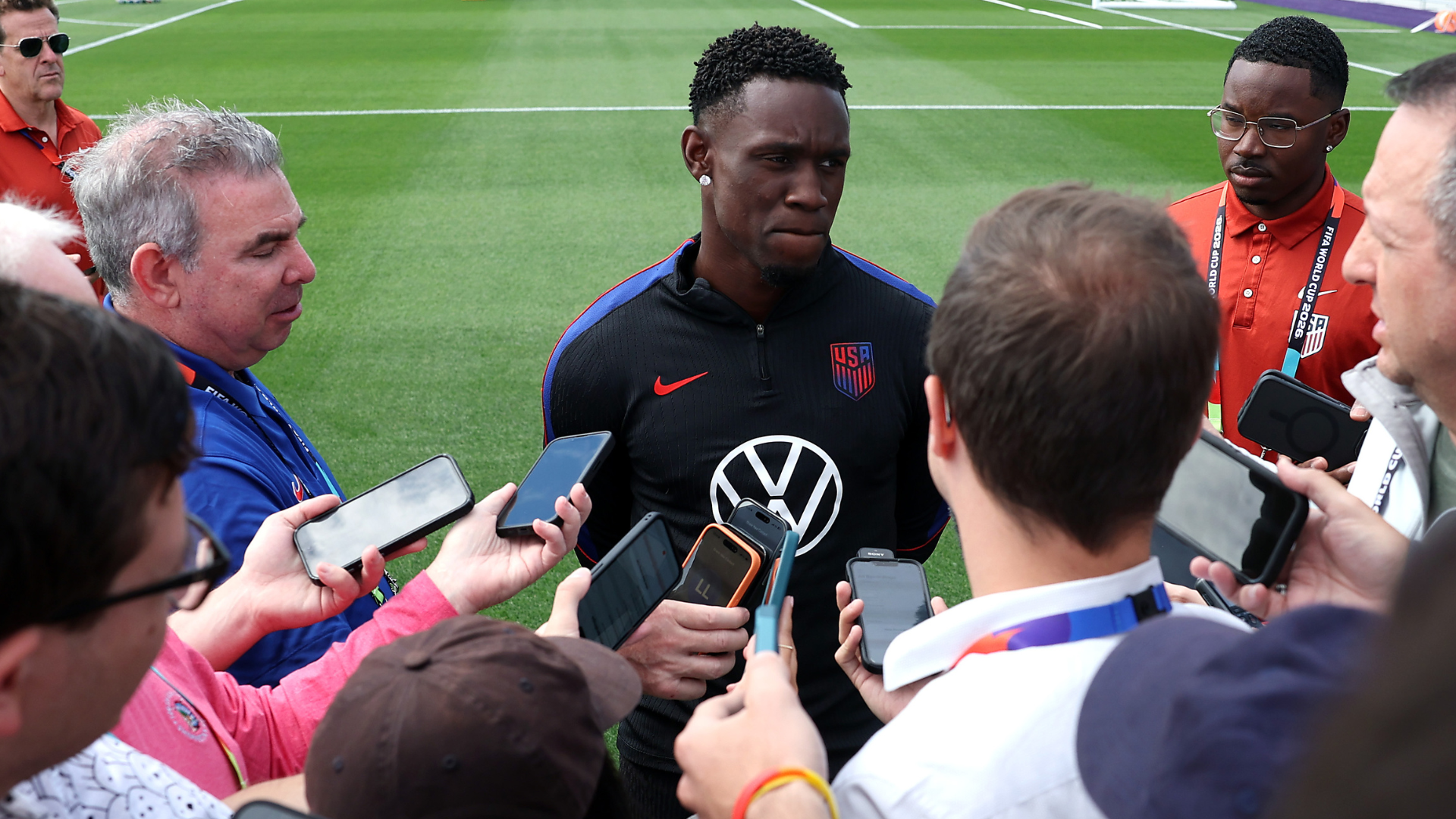
The US Men's National Team (USMNT) have emerged as an unlikely dark horse at the expanded World Cup, captivating neutral observers and exhilarating their home support with a landmark knockout round victory. For the first time in 24 years, the Stars and Stripes have navigated past the round of 16, a testament to the strategic acumen of Argentine manager Mauricio Pochettino.
Their recent triumph has ignited a fervour rarely seen in US soccer, with analysts at CBS Sports NY noting the palpable shift in national sentiment. Yet, as the euphoria settles, a defining clash with European giants Belgium awaits, a match poised to dictate whether this campaign will be remembered as a breakthrough or merely a fleeting moment of glory.
Pochettino's Pragmatism Bears Fruit
Mauricio Pochettino, renowned for his high-pressing, attacking philosophy at clubs like Tottenham and Paris Saint-Germain, has surprised many with a more pragmatic approach to the international game. While the USMNT still exhibits flashes of expansive play, a newfound defensive solidity and tactical discipline have been the hallmarks of their World Cup journey thus far. This strategic pivot has allowed the squad, a blend of burgeoning talent and seasoned professionals, to neutralise more fancied opponents and grind out crucial results. The victory in the round of 16, achieved through a combination of resolute defending and opportunistic attacking, underscored Pochettino's ability to adapt and mould his team to the pressures of a global tournament. The financial implications for US Soccer, should this run continue, could be substantial, potentially translating into millions of Australian dollars in increased sponsorship and prize money.
The Weight of Expectation
While the initial objective of progressing from the group stage was comfortably met, and the subsequent knockout win exceeded external forecasts, the looming quarter-final against Belgium presents a significant step up in class. Belgium, with their star-studded line-up and deep tournament experience, represent a formidable hurdle. Questions linger as to whether the USMNT's newfound resilience can withstand sustained pressure from a top-tier European outfit. CBS Sports NY highlighted that despite their impressive run, doubters remain, suggesting the expanded tournament format might have cushioned their path somewhat. The feeling amongst some pundits is that while the USMNT have proven they can win a knockout game, they have yet to prove they can consistently compete with the world's elite.
Belgian Barrage Looms
Belgium, often dubbed 'the Red Devils', arrive with their own set of expectations and a squad brimming with world-class talent. Their tactical flexibility and individual brilliance across all areas of the pitch will severely test the USMNT's defensive organisation and transitional play. Pochettino's primary challenge will be to devise a strategy that not only stifles Belgium's potent attack but also creates enough genuine scoring opportunities for his own forwards. The midfield battle, in particular, will be critical, with both sides possessing dynamic players capable of dictating tempo and dismantling opposition structures. For Australian viewers, the tactical duel between Pochettino and his Belgian counterpart offers a fascinating case study in modern international football.
A Defining Moment
The quarter-final clash is more than just another game; it's a defining moment for this USMNT generation and for Pochettino's legacy. A victory would not only propel them into uncharted semi-final territory but also unequivocally validate their performances, silencing the remaining sceptics. Conversely, a comprehensive defeat might see their impressive run viewed in a more tempered light, as merely a good showing rather than a true breakthrough. The outcome will shape perceptions of US soccer for years to come, influencing everything from grassroots funding to the commercial appeal of the sport in a crowded American sporting landscape. The stakes, both on and off the pitch, could scarcely be higher.