
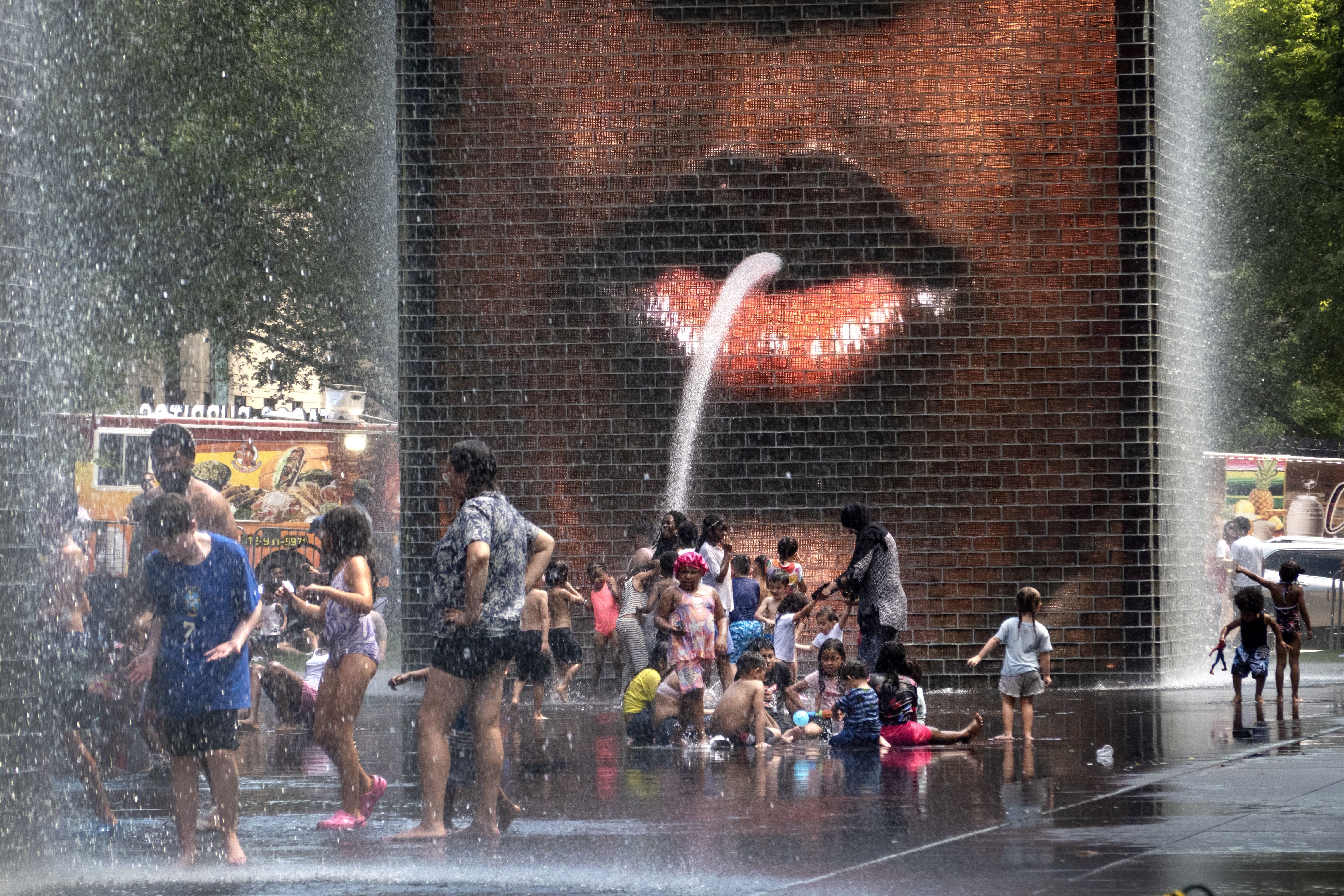
A potentially historic heatwave is set to bear down on the United States this July Fourth weekend, with millions of Americans, and any visiting Australians, warned of extreme conditions as temperatures are forecast to soar to unprecedented levels across the Midwest and East Coast.
The National Weather Service (NWS) has issued widespread heat warnings and watches, signaling a significant threat to public health and safety as the nation gears up for its annual independence celebrations. Experts are predicting that mercury could climb to extraordinary heights, with the potential to shatter long-standing temperature records in numerous locales.
Unprecedented Heat Threatens Holiday Plans
Australians travelling to the US for the long weekend should prepare for an intense and potentially dangerous meteorological event. Cities from the Great Lakes down to the Mid-Atlantic are bracing for a prolonged period of oppressive heat and humidity. Forecasters are highlighting the dual danger of high temperatures combined with elevated humidity, which significantly increases the perceived temperature and the risk of heat-related illnesses.
Authorities are urging residents and visitors alike to take extreme precautions. This includes staying hydrated, seeking air-conditioned environments, and limiting outdoor activities, especially during the peak heat hours of the day. The NWS advisories underscore the severity of the situation, with terms like "excessive heat warning" and "heat advisory" becoming commonplace across local weather reports, a clear indication of the anticipated dangers.
Economic Impact and Public Health Concerns
Beyond immediate health risks, the economic ramifications of such a widespread heatwave could be substantial. Businesses reliant on outdoor activities, from tourist operators to construction firms, face disruptions. The demand for electricity is expected to surge, placing immense strain on power grids and potentially leading to blackouts, further exacerbating the discomfort for millions. NPR National reported that communities are preparing cooling centres and increasing public health messaging to mitigate the impact.
Local councils and emergency services are mobilising resources, anticipating a spike in heatstroke and dehydration cases. Hospitals are being put on alert, and public awareness campaigns are encouraging vulnerable populations, including the elderly, young children, and those with pre-existing health conditions, to take extra care. Pet owners are also reminded to protect their animals from the extreme conditions.
Preparing for a Record-Breaking Event
While July in the US is typically warm, the current forecasts suggest a heatwave of unusual intensity and duration. Meteorologists are tracking a large high-pressure system that is expected to settle over the affected regions, trapping hot air and preventing cooling. This meteorological phenomenon is setting the stage for what could be one of the hottest Independence Day weekends on record.
For Australians keen to witness the spectacle of the Fourth of July fireworks, it's crucial to check local advisories and plan activities around the coolest parts of the day. Hydration breaks are not just recommended, they are essential. With the potential for temperatures to climb well into the high 30s and even low 40s degrees Celsius in some areas, carrying at least 2 litres of water and dressing in light, loose-fitting clothing will be critical for comfort and safety. The unfolding weather event promises to be a stern test for American resilience and a stark reminder of the increasing frequency of extreme weather phenomena.


