In a significant escalation of Middle Eastern tensions, the United States military has unleashed a wave of retaliatory strikes against Iranian targets, following a drone attack that killed three American soldiers at a base in Jordan. The strikes mark a dangerous new phase in a region already grappling with instability, raising concerns of a broader conflict. Australian officials are closely monitoring the situation, with the Department of Foreign Affairs and Trade issuing updated travel advice for the Middle East, urging citizens to exercise extreme caution.
Simultaneously, back in Washington, the political spotlight has fallen on former White House chief medical advisor Anthony Fauci, who invoked his Fifth Amendment right against self-incrimination during a Senate hearing. The highly anticipated testimony, focusing on the origins of the COVID-19 pandemic and the US government's response, was cut short as Fauci declined to answer questions, citing his constitutional right. This move has predictably fuelled intense debate across US political divides, with some interpreting it as an admission of guilt, while others defend his legal prerogative.
Escalating Tensions in the Middle East
The US strikes, confirmed by the Pentagon, targeted multiple facilities linked to Iran’s Islamic Revolutionary Guard Corps (IRGC) and affiliated militia groups. These actions come in direct response to the drone attack on a US outpost near the Syrian border in Jordan on January 28, which also injured dozens of service members. US President Joe Biden vowed a firm response, stating, "We will respond. We will hold all those responsible to account at a time and a manner of our choosing." The move has been broadly supported by congressional Republicans, though some critics question the potential for further destabilisation and a direct conflict with Iran, a nation with significant regional influence and advanced military capabilities. The Australian government has called for de-escalation from all parties, emphasising the need for diplomatic solutions to prevent a wider conflagration that could have global economic ramifications, including impacts on crude oil prices and shipping lanes crucial for Australian trade.
Fauci Hearing Ignites Political Firestorm
Anthony Fauci's decision to invoke the Fifth Amendment at a Senate committee hearing has sent shockwaves through Washington. The former head of the National Institute of Allergy and Infectious Diseases (NIAID) was scheduled to testify on his role during the pandemic and controversies surrounding gain-of-function research. Instead, his refusal to answer questions on the grounds of self-incrimination has transformed the hearing into a political spectacle. NPR National reported that Republican senators used the opportunity to reinforce existing criticisms against Fauci's leadership and the government's COVID-19 policies, while Democrats largely remained silent or defended his legal rights. The incident is likely to further entrench the highly polarised views surrounding Fauci and the contentious early days of the pandemic response, remaining a point of contention for months to come.
Erosion of Asylum Laws Under Trump
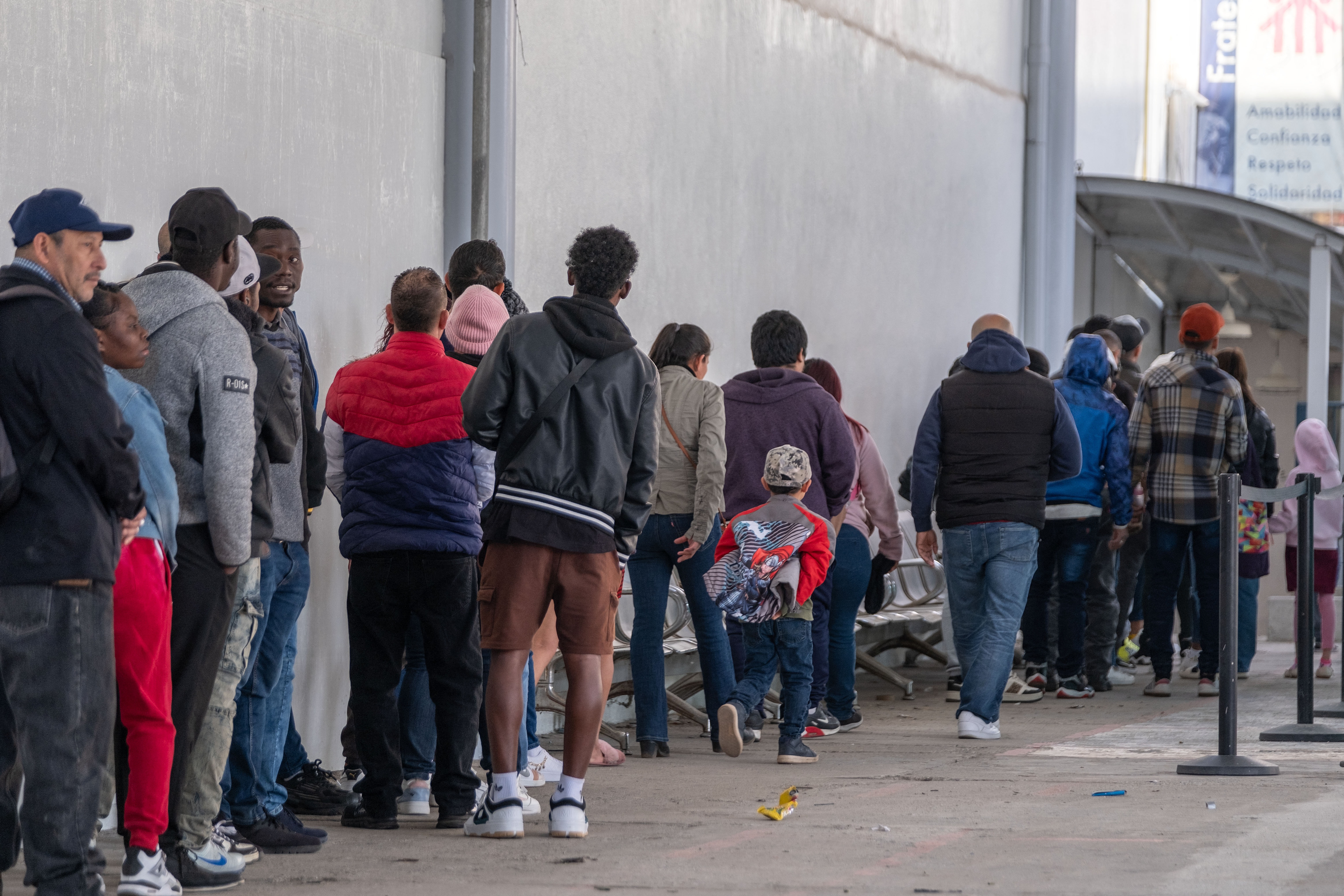
Meanwhile, an ongoing and critical issue highlighted by NPR National is the systematic dismantling of asylum laws under the Trump administration, a policy trend that continues to reverberate through the US immigration system. Over the past four years, the previous administration implemented numerous policies designed to restrict asylum access, including the controversial “Remain in Mexico” policy, which forced asylum seekers to wait in dangerous conditions across the border while their cases were processed. Other measures included limiting who could apply for asylum, accelerating deportations, and imposing strict numerical caps. While the Biden administration has rolled back some of these policies, their lasting impact has created significant backlogs and bureaucratic hurdles, profoundly affecting thousands of vulnerable individuals seeking refuge. These changes have reshaped the operational landscape for aid organisations and have drawn sharp criticism from international human rights groups, impacting the global framework for refugee protection, and setting a worrying precedent for other nations, including Australia, which has its own complex history with asylum policy.