
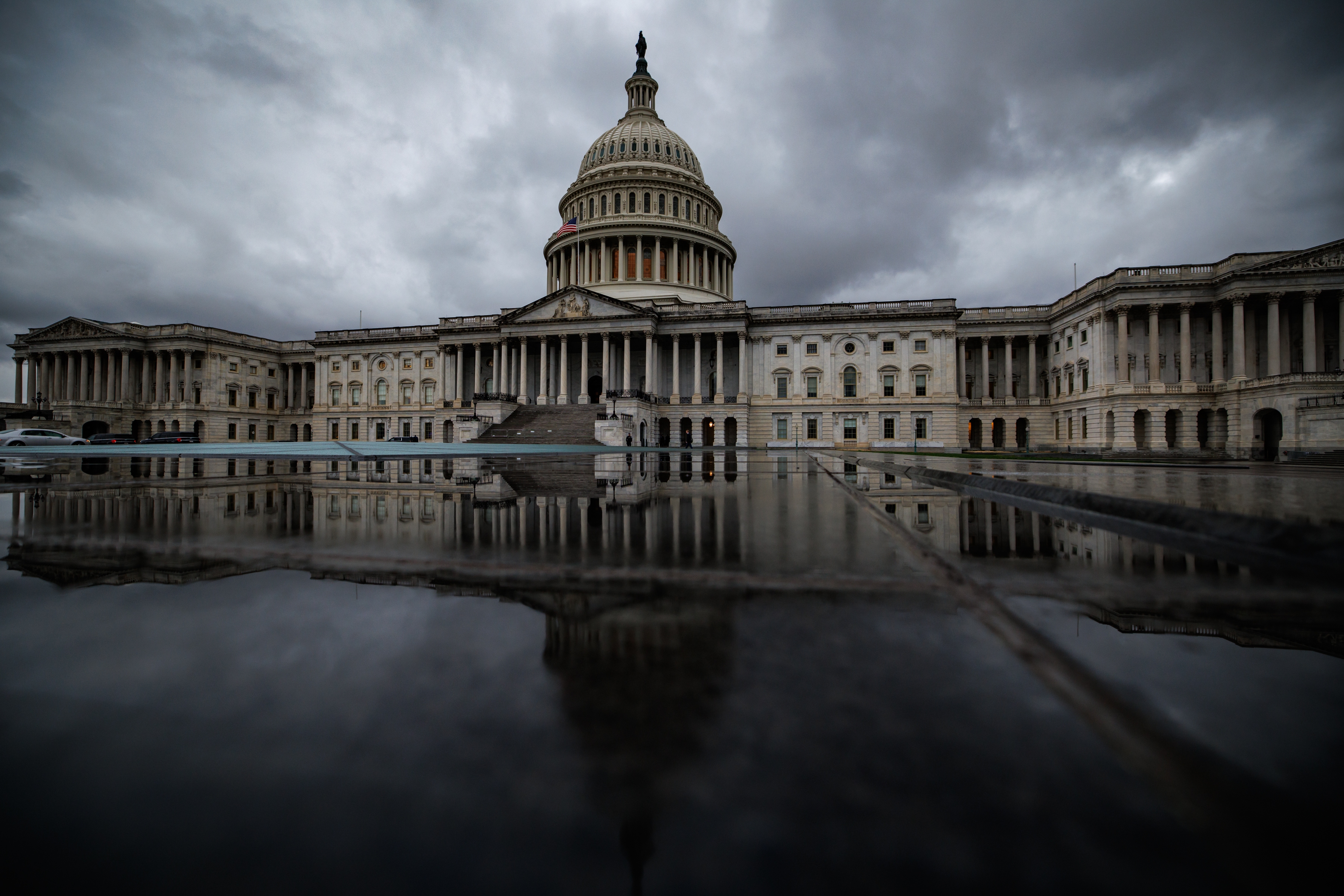
The political mercury is rising in the United States as the decisive midterm elections draw closer, with the battle for control of the Senate shaping up to be a nail-biting affair. Democrats are banking on a strategic offensive, requiring a minimum of four flips from Republican-held seats to wrest control of the chamber. Meanwhile, the Grand Old Party (GOP) finds itself in a precarious defensive posture, with fewer clear opportunities to pick up seats, according to a recent analysis by NPR National.
The Shifting Sands of the Senate Map
The landscape of the competitive Senate map has been in constant flux, even with just a handful of primary elections remaining. What initially appeared to be a more straightforward path for Republicans to consolidate their power has morphed into a complex defensive strategy. Democrats, conversely, are seeing an invigorated pathway to a majority, fuelled by a combination of evolving voter sentiment and the strategic deployment of campaign resources. The sheer volume of spending on both sides has already topped hundreds of millions of Australian dollars, indicating the high stakes involved in these races.
Key Battlegrounds Emerge
The Democrats' primary targets are concentrated in states where incumbent Republican senators are facing surprisingly strong challengers, or where open seats present a realistic chance for a takeover. Early primary results have often provided crucial insights into the electorate's mood, and in several instances, have propelled more progressive or centrist Democratic candidates into the general election, appealing to a broader swathe of voters. NPR National reported that some of these battleground states, previously considered safe Republican territory, are now polling within the margin of error, making every campaign advertisement and get-out-the-vote effort critical.
Republican Defensive Strategy Under Scrutiny
For Republicans, the narrative has largely shifted from expansion to consolidation. Their strategy hinges on successfully defending their most vulnerable incumbents and holding onto open seats in states with a strong conservative base. While historically the party out of the White House often gains seats in midterm elections, the current political climate presents a unique set of challenges for the GOP. Issues such as inflation, economic uncertainty, and social policy debates are playing out differently across various states, forcing Republican campaigns to tailor their messages with extreme precision. The cost of defending these vulnerable seats is substantial, diverting funds that might otherwise have been used for offensive plays.
Impact of Independent Voters and Fundraising
Independent voters are expected to play a kingmaker role in several of these tight races. Both parties are pouring significant resources, reportedly in the tens of millions of Australian dollars, into swaying this crucial demographic. Fundraising efforts have been robust on both sides, demonstrating the national importance attributed to these Senate contests. Grassroots movements and large-scale donor contributions are fueling an advertising blitz that is virtually inescapable for American voters. The outcomes in these races will not only dictate the legislative agenda for the next two years but also cast a long shadow over the 2024 presidential election, underscoring the profound significance of every vote cast.


