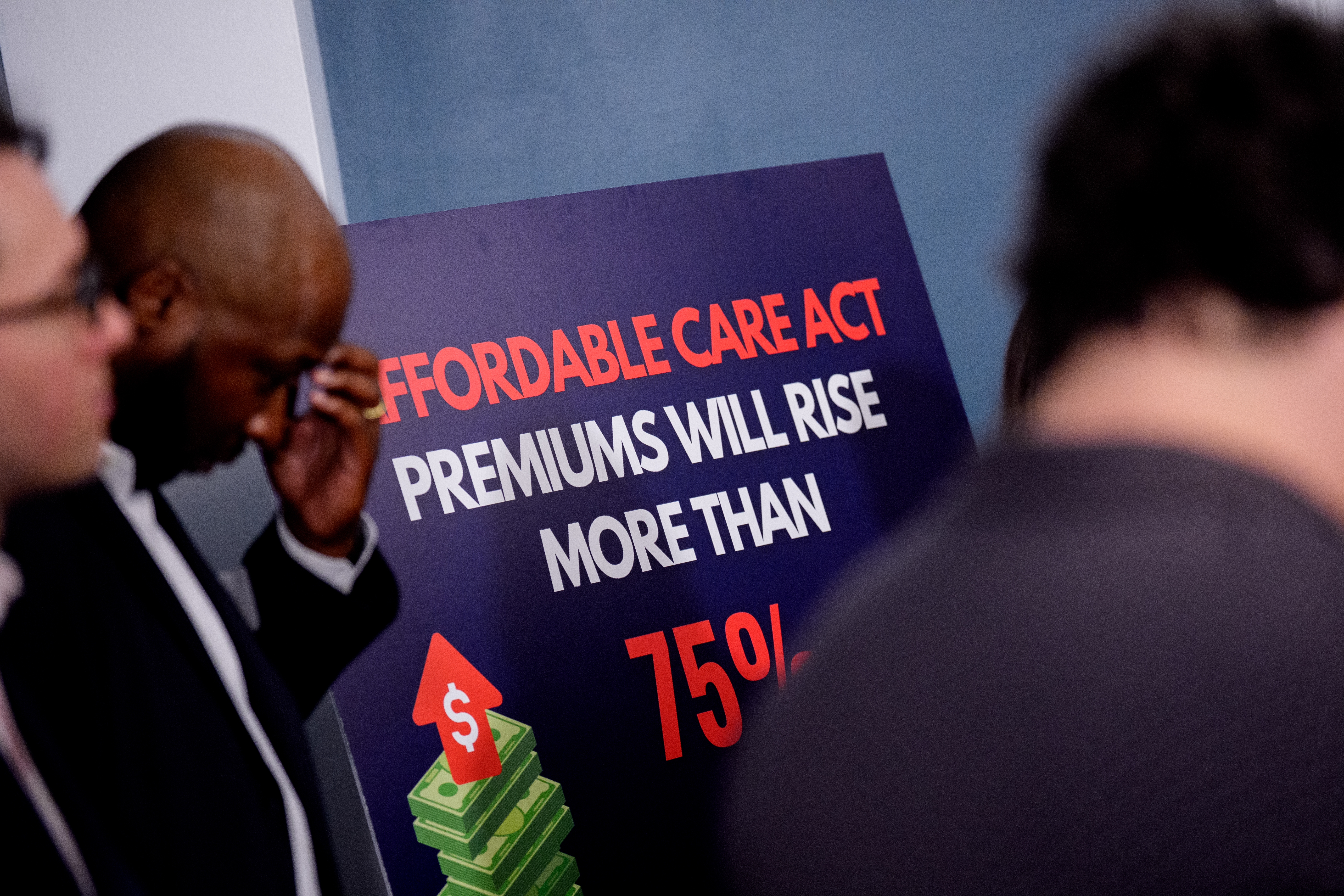
WASHINGTON: American Republican politicians who supported substantial cuts to healthcare funding are now scrambling to rebrand themselves as champions of lower medical costs, just months before critical elections. This strategic pivot, widely reported by NPR National, comes as the “One Big Beautiful Bill Act” continues to draw scrutiny for its impact on federal health expenditure.
The Albatross of the "Beautiful Bill"
The controversial "One Big Beautiful Bill Act," a cornerstone legislative achievement for the Republican-led Congress, included significant provisions that curtailed federal healthcare appropriations. While proponents argued the cuts were necessary to curb national debt and foster a more efficient market, critics warned of the potential for increased out-of-pocket expenses for ordinary citizens. Now, as the election cycle heats up, these very politicians are blanket-bombing airwaves with advertisements promising to deliver more affordable healthcare, creating a stark contrast with their voting records. This tactical tightrope walk is proving to be a difficult sell on the campaign trail, particularly in swing states where healthcare remains a paramount concern for voters.
Reconciling Rhetoric and Record
The disjuncture between Republican rhetoric and their legislative actions has not gone unnoticed. Polling consistently shows healthcare affordability as a top issue for US voters, often eclipsing concerns about the economy or national security. For candidates who enthusiastically supported the “One Big Beautiful Bill Act,” the challenge now is to convince constituents that cutting federal contributions will somehow lead to personal savings. One common argument being employed is that reducing government overhead and regulation will empower a more competitive private insurance market, ultimately driving down premiums and co-pays. However, NPR National reported that many analysts remain sceptical, pointing to the historical correlation between federal funding and accessibility of care, particularly for vulnerable populations.
The Cost of Care Hits Home
For many American families, the cost of healthcare is not an abstract political talking point but a tangible financial burden. The average annual out-of-pocket healthcare expenditure for an American family is already significant, dwarfing comparable figures in countries like Australia, where a universal healthcare system significantly mitigates individual costs. Any cuts to federal subsidies or programs, regardless of their stated intention, are often perceived through the lens of increased personal financial strain – higher deductibles, larger co-payments, or even reduced access to essential services. This direct impact on household budgets, equating to potentially thousands of Australian dollars in additional yearly expenses, is proving a potent weapon for opposition parties seeking to highlight Republican vulnerability.
Looking to November's Verdict
As the US mid-term elections approach, the success or failure of this Republican messaging strategy will be closely watched. The ability of candidates to deflect criticism over their healthcare votes and effectively pivot to a narrative of cost-cutting will likely determine many tight races. Opposition parties are, predictably, seizing on the perceived hypocrisy, using the Republicans' own voting records against them in campaign advertisements and debates. The outcome will offer a crucial insight into how American voters weigh legislative action against political promises, particularly on an issue as personally impactful as healthcare. The political gamble taken by proponents of the "One Big Beautiful Bill Act" now faces its ultimate test at the ballot box.