
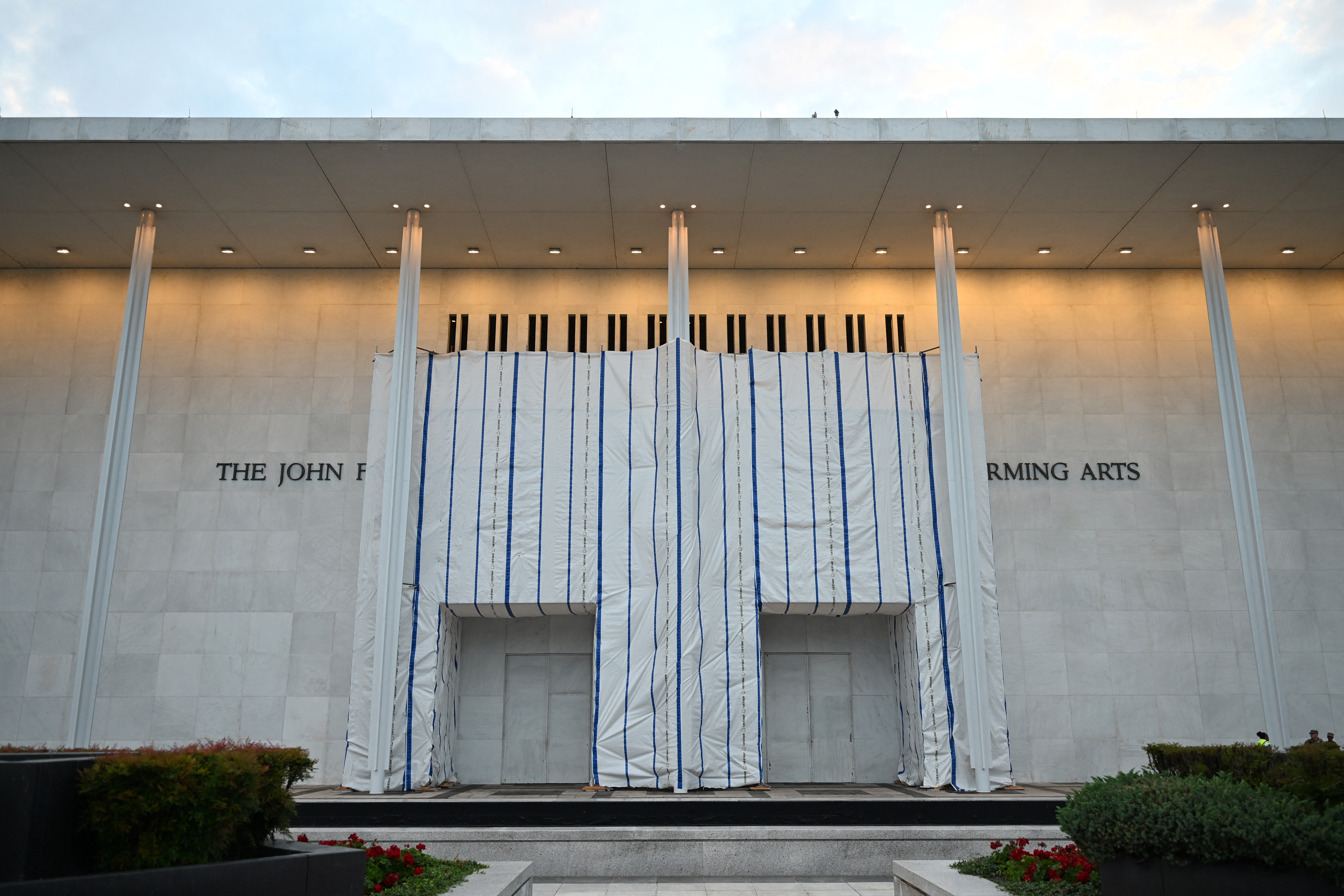
A revealing new legal filing by lawyers for the John F. Kennedy Center for the Performing Arts has exposed the decision-making processes of its powerful board, deepening the intrigue in an ongoing legal stoush concerning former President Donald Trump’s contentious takeover of the esteemed cultural body.
Trump’s dramatic sacking of Biden-appointed board members last year, swiftly replacing them with his own political allies, ignited a firestorm of criticism and prompted legal action. The recent court documents, uncovered by NPR Arts, offer an unprecedented glimpse into the typically opaque governance structure of the Washington D.C. landmark, suggesting a highly centralised power dynamic.
The revelations come as the Sydney Daily News understands that the legal challenge, brought by several of the ousted board members, seeks to reverse what they argue was an illegal and politically motivated purge. The dispute has raised significant questions about the independence of American cultural institutions and the potential for partisan interference in their operation.
Trump's Cultural Coup
The controversy began when President Trump, in an unprecedented move, dismissed several board members who had been appointed by his predecessor, Joe Biden. These individuals, many of whom had deep ties to the arts community and significant philanthropic experience, were unceremoniously replaced with figures perceived to be loyal to Trump’s political agenda. The abrupt nature of the dismissals and the perceived lack of due process sent shockwaves through the American arts sector.
Critics argued that Trump's actions were a clear attempt to politicise the Kennedy Center, known globally as a vibrant hub for performing arts and a living memorial to President John F. Kennedy. The move was widely condemned as an erosion of traditional norms regarding politically appointed positions on non-partisan cultural boards, and a dangerous precedent for future administrations.
Unpacking Boardroom Dynamics
The recent legal filing, as reported by NPR Arts, delves into the specifics of how the Kennedy Center's board of trustees functions. While precise details of the filing remain subject to ongoing legal proceedings, the documents reportedly illuminate the mechanisms through which major decisions are made, approved, and implemented by the board. This closer look suggests a structure that, according to legal observers, could be interpreted as vesting considerable power in a small few, potentially paving the way for such swift, top-down changes.
The board’s operational procedures, including the role of its various committees and the extent of individual trustee influence, are now under intense scrutiny. This insight into internal governance is particularly pertinent given the allegations that the swift replacement of trustees bypassed customary consultative processes, leaving many stakeholders blindsided.
Implications for Australian Institutions
While this specific legal battle is playing out on American soil, the implications resonate internationally, including for Australia's own cultural landscape. The Sydney Opera House, National Gallery of Australia, and other prominent institutions often receive government funding and have boards appointed by state or federal governments. The potential for political appointees to dramatically alter the direction or composition of such boards raises concerns about the long-term stability and artistic independence of these vital cultural pillars.
Australian arts patrons and policymakers will undoubtedly watch the outcome of the Kennedy Center case with keen interest. The precedent set could influence debates about the balance between government oversight and artistic autonomy in cultural organisations globally, and inform future discussions around governance best practices for institutions with a mixture of public and private funding. The cost of such a challenge in Australia could run into hundreds of thousands of Australian dollars, highlighting the serious nature of these legal disputes.


