
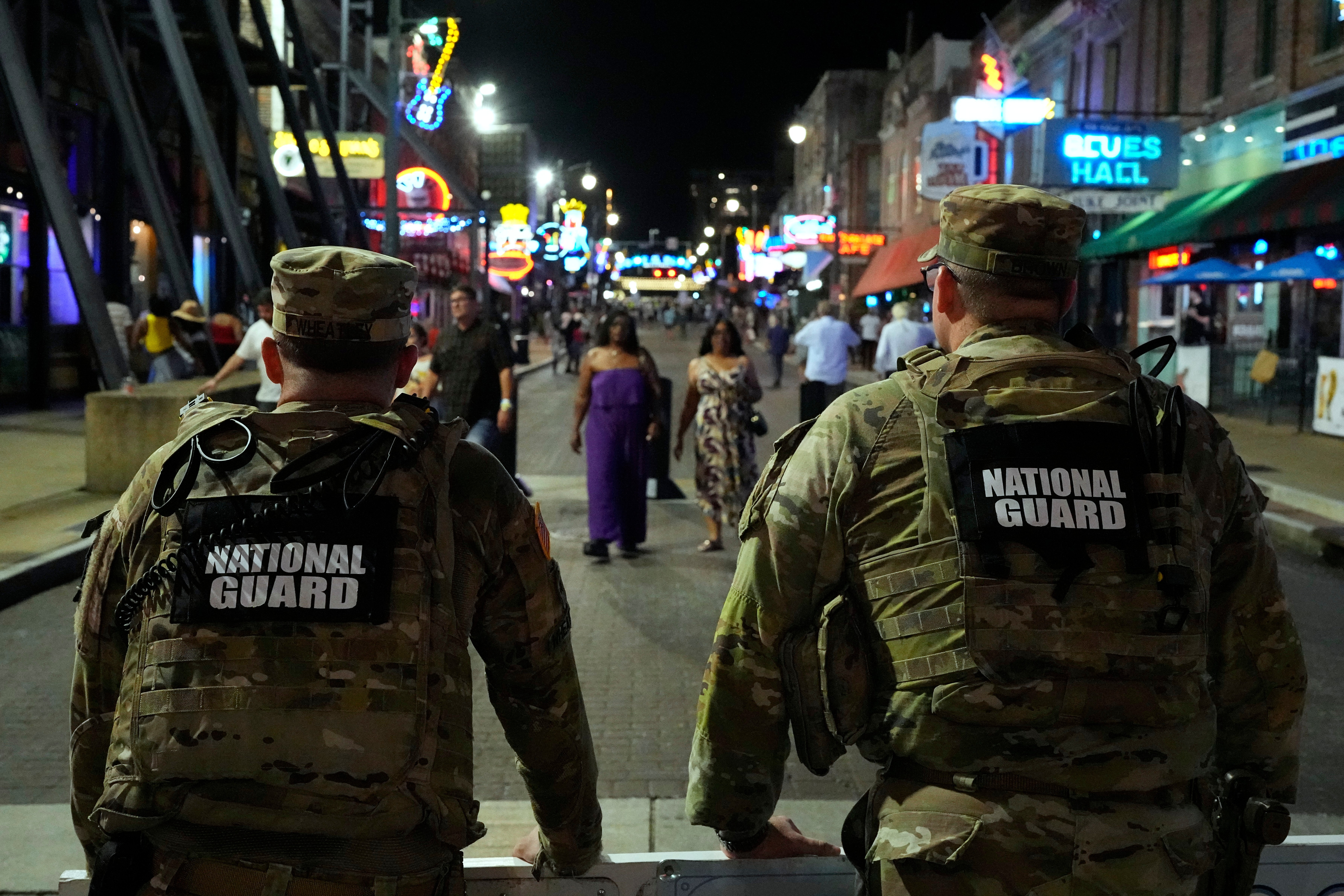
MEMPHIS, US - A federal initiative, launched last year under the guise of tackling violent crime in this southern American city, has reportedly been repurposed into a formidable immigration enforcement operation, sparking fear and outrage among civil rights advocates.
The influx of federal agents under what was dubbed an 'anti-crime' task force has led to widespread immigration arrests, with a significant majority of those detained having no prior criminal convictions, according to reports by NPR Politics. This development has raised serious questions about the true intent and scope of such federal interventions, especially as US President Donald Trump has expressed interest in replicating the model in other cities across the nation.
Shifting Sands of Enforcement
Initially presented as a collaborative effort to curb escalating crime rates, the multi-agency task force, involving the US Marshals Service and other federal bodies, began its operations last year. However, what transpired was a swift and dramatic pivot towards immigration enforcement. Local community organisations and legal aid groups have documented numerous cases where individuals, often with minor or no criminal records, were apprehended and subsequently processed for deportation.
NPR Politics reported that the operation's initial focus on violent offenders seemed to broaden considerably, encompassing individuals who were merely undocumented immigrants. This strategic shift has drawn strong condemnation from immigrant rights groups, who argue that it exploits local communities' desire for safety by co-opting crime-fighting resources for unrelated immigration objectives.
A Broader Agenda?
The revelations from Memphis fuel long-standing concerns among human rights observers that the current US administration is actively pursuing aggressive immigration enforcement, often under banners that might appear less controversial. The idea of linking immigration status to public safety, even in the absence of violent criminal behaviour, aligns with the Trump administration’s broader rhetoric on border security and illegal immigration.
Should this Memphis model be adopted nationally, it could herald a significant expansion of immigration enforcement into cities not traditionally associated with intense federal immigration activity. Such a move would likely be met with fierce resistance from 'sanctuary cities' and states that have pushed back against federal mandates requiring local law enforcement to assist in immigration arrests. The implications for community trust in policing, already strained in many urban areas, could be profound.
Community Fallout and Legal Challenges
The impact on Memphis’s immigrant community has been palpable. Reports indicate a climate of fear, with many residents now hesitant to engage with law enforcement or civic services, fearing that any interaction could lead to immigration detention. This chilling effect not only undermines community cohesion but also makes it more difficult for genuine crime victims or witnesses to come forward.
Legal challenges to the federal government’s tactics are anticipated. Advocacy groups are scrutinising the legal authority under which these operations are being conducted, particularly when arrests appear to deviate from the stated anti-crime objectives. Questions are being raised about due process for those detained, the financial cost of such expansive operations (potentially running into millions of Australian dollars once scaled nationally), and the long-term societal consequences of such an aggressive approach to immigration control.
As the US grapples with its complex immigration landscape, the Memphis situation serves as a stark reminder of the evolving and often contentious strategies being deployed by the federal government. The prospect of this model being replicated elsewhere looms large, potentially reshaping the lives of thousands of undocumented immigrants across the United States.


