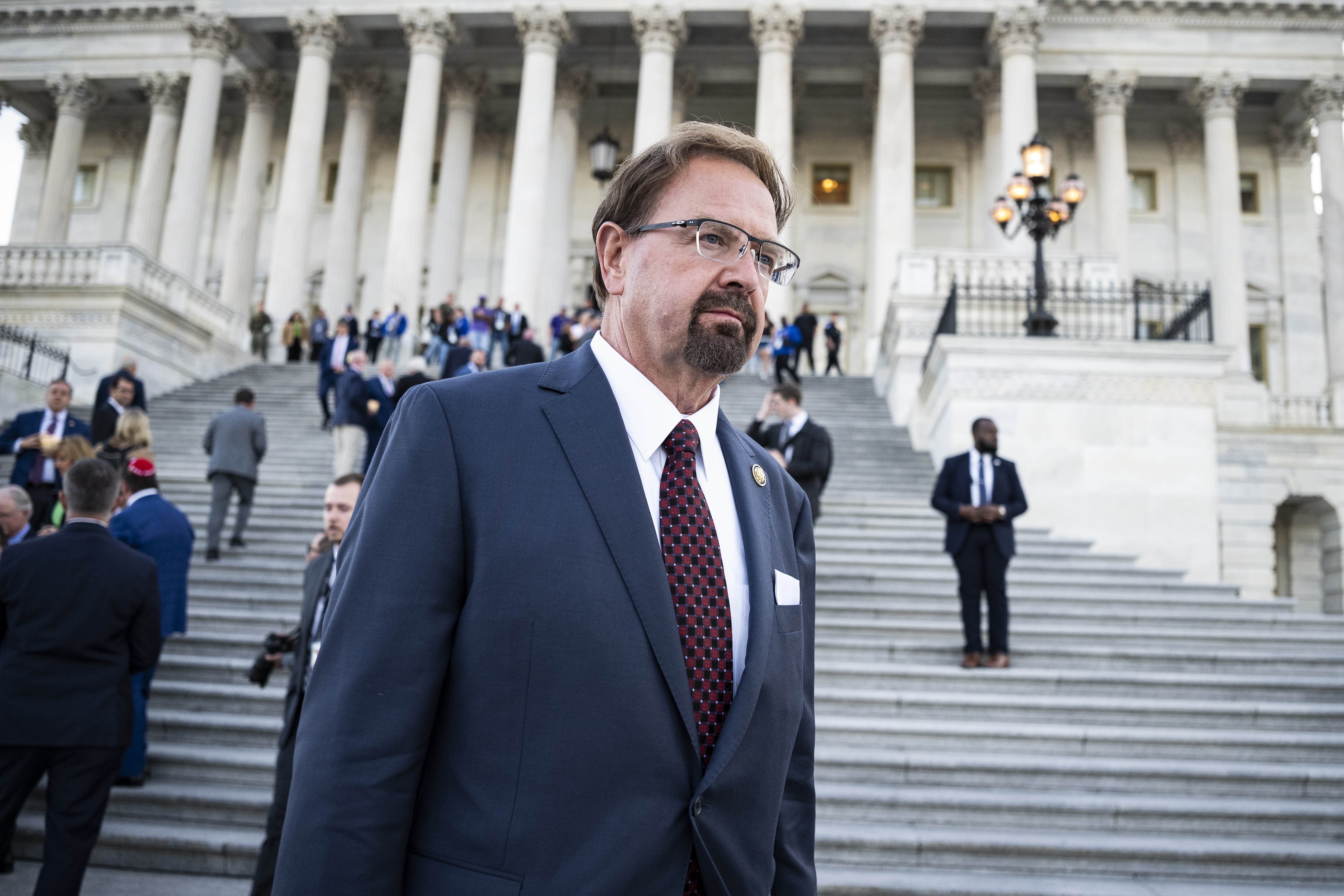
The acting director of the United States' Immigration and Customs Enforcement (ICE), David Venturella, has moved to quell concerns about a potential conflict of interest by selling his shares in a major private detention company and recusing himself from all related contractual matters.
Mr Venturella's decision, revealed in a letter to Senator Elizabeth Warren (Democrat-Massachusetts) last Thursday, comes after intense scrutiny regarding his financial ties to the Geo Group, one of the largest private prison and detention facility operators in the US.
Ethical Questions Raised
Senator Warren had publicly questioned Mr Venturella's impartiality, citing his significant investment in the Geo Group while simultaneously overseeing an agency that heavily relies on private contractors for migrant detention. Ethical watchdogs and civil liberties groups have long voiced concerns about the potential for personal financial gain to influence policy decisions within government agencies, particularly when public funds are directed towards private entities.
The Geo Group, a behemoth in the private correctional industry, operates numerous facilities across the US, housing tens of thousands of individuals, including asylum seekers and undocumented migrants. ICE contracts with such companies are often lucrative, representing hundreds of millions of US dollars annually. The perceived conflict of interest stemmed from the fact that Mr Venturella, as acting director, would have been in a position to influence or oversee these substantial contracts while holding a financial stake in one of the primary beneficiaries.
Divestment and Recusal Confirmed
According to The Hill, a Washington D.C. news outlet, Mr Venturella's letter to Senator Warren confirmed he had divested all his Geo Group stocks. Furthermore, he explicitly stated his intention to "fully recuse himself from all contracts and obligations related to detention." While the letter addressed the immediate concerns about his personal holdings and direct involvement, it reportedly did not offer specifics regarding ICE's broader contracting processes or how future potential conflicts of interest might be managed within the agency.
This move by Mr Venturella is seen by some as a direct response to the increasing pressure from Capitol Hill to ensure transparency and accountability in government dealings. Senator Warren, a vocal critic of the privatisation of public services and a champion of ethical governance, has been at the forefront of demanding greater oversight of agencies like ICE and their relationships with private corporations.
Broader Implications for Detention Industry
While Mr Venturella's divestment addresses a specific instance of potential conflict, the incident highlights a larger debate in the US concerning the role of private companies in immigration enforcement and detention. Critics argue that the profit motive inherent in private operations can lead to perverse incentives, potentially encouraging harsher policies or an expansion of detention capacity rather than focusing on alternatives to incarceration.
The financial holdings of public officials in companies that directly benefit from their agency's operations have long been a thorny issue. This case serves as a reminder of the ongoing push for stricter ethical guidelines and greater scrutiny of the financial interests of those holding positions of power within government, especially in areas as sensitive as immigration and detention.
Senator Warren's office has yet to issue a public statement in response to Mr Venturella's letter, but the divestment is likely to be viewed as a partial victory for those advocating for greater integrity in government.