
The United States economy experienced a slight cooling in its annual growth rate during the spring, registering a 1.5 per cent expansion. While this marks a modest slowdown from the previous quarter, a surprising surge in consumer spending has offered a potent counter-narrative to recessionary fears, according to a report by NPR Business.
This nuanced performance from the world's largest economy is providing both relief and pause for financial markets globally, including right here in Australia. Economists are sifting through the figures, attempting to discern whether the current trajectory points to a desirable 'soft landing' or is merely a precursor to deeper economic challenges.
Shoppers Flex Their Muscle
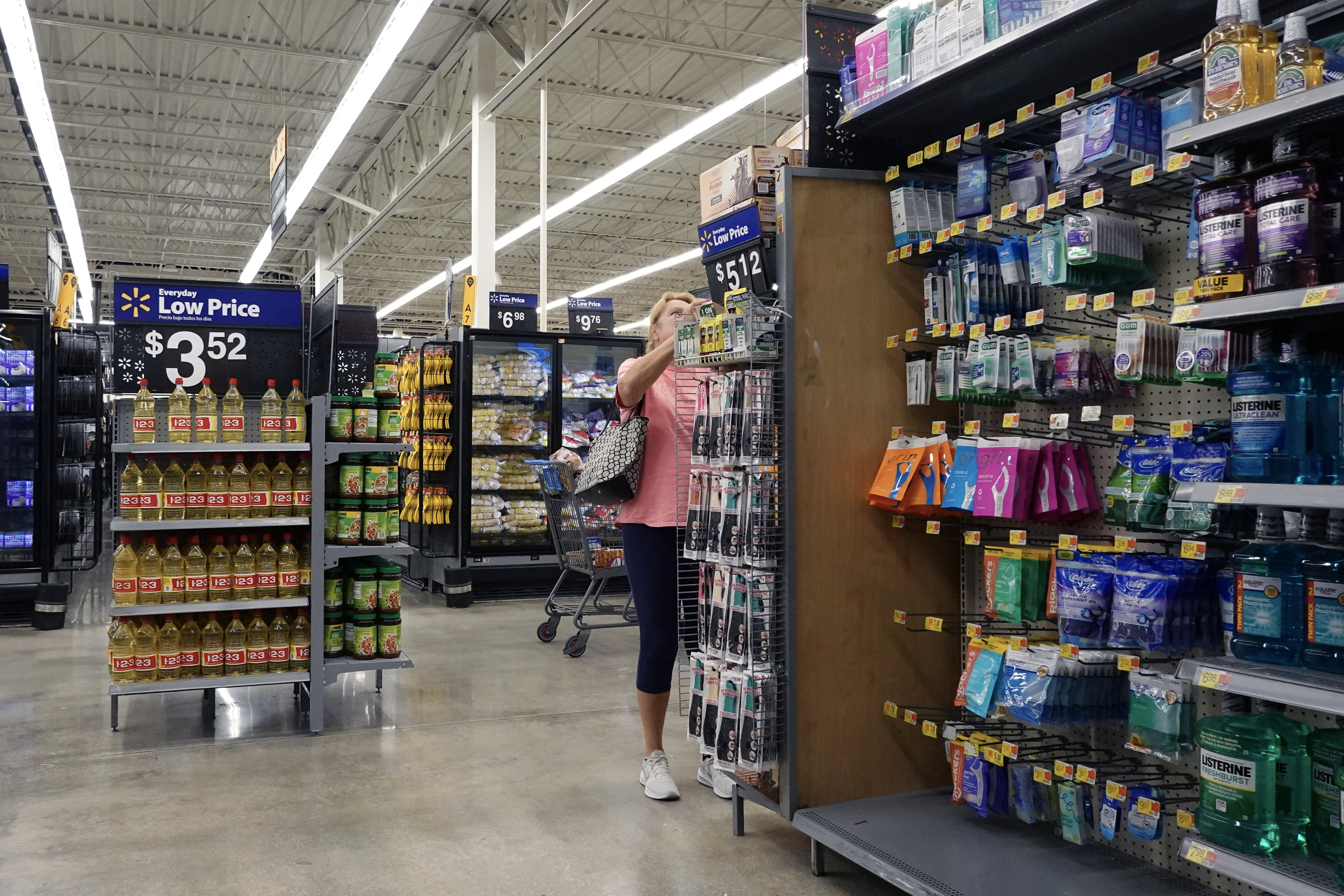
Despite the overall economic deceleration, American consumers defied expectations, significantly ramping up their spending. This unexpected buoyancy in household expenditure is reportedly a critical factor underpinning the economy's continued forward momentum. Families and individuals, it appears, are continuing to open their wallets for goods and services, injecting vital demand into the marketplace.
Analysts suggest that lingering pandemic-era savings, coupled with a robust employment market, may be fuelling this spending spree. For Australian businesses that export to the US or have significant exposure to the American market, this consumer confidence is a welcome sign, offering stability amidst broader global uncertainties.
A Tale of Two Indicators
NPR Business highlighted the intriguing juxtaposition of a decelerating gross domestic product (GDP) – the broadest measure of economic activity – and accelerating consumer outlays. The 1.5 per cent annualised growth rate, while still positive, represents a dip from earlier stronger figures. However, without the vigour of consumer spending, that slowdown could have been far more pronounced, potentially pushing the economy closer to stagnation or even contraction.
This dynamic underscores the current tug-of-war within the US economy: attempts by the Federal Reserve to cool inflation through interest rate hikes are evidently having some effect on overall growth, but the resilient consumer remains a powerful engine of demand. The delicate balance maintained so far is an ongoing subject of intense scrutiny by monetary policymakers both domestically and internationally.
RBA Keeps a Close Eye on Washington
Back home, the Reserve Bank of Australia (RBA) will be meticulously dissecting these latest US economic data points. Given the interconnectedness of global financial markets, the health of the American economy has significant implications for Australia's own economic outlook, exchange rates, and monetary policy decisions. A robust US consumer base can support Australian exports and investor confidence.
Conversely, any suggestion of a more severe downturn across the Pacific could prompt the RBA to reassess its own strategies, particularly regarding interest rates. The current data, painted as a mix of moderation and resilience, offers little immediate clarity but plenty of material for ongoing debate among Australian economic commentators and policymakers about potential spillover effects and appropriate domestic responses.
Implications for Australian Households
While the direct impact on Australian households from US economic figures might seem abstract, it is nonetheless real. A stable global economy generally fosters investment, trade, and employment opportunities here at home. For example, if robust US demand buoys global commodity prices, this can benefit Australia's resource-rich economy. Furthermore, the Australian dollar's value against the US dollar can be influenced, affecting import costs and the purchasing power of international travel or investments.
As the US Federal Reserve continues its battle against inflation, keeping one eye on economic growth and the other on consumer behaviour, global financial institutions, including the RBA, will be watching intently for sustained trends that could signal future directions for the global economic landscape.