
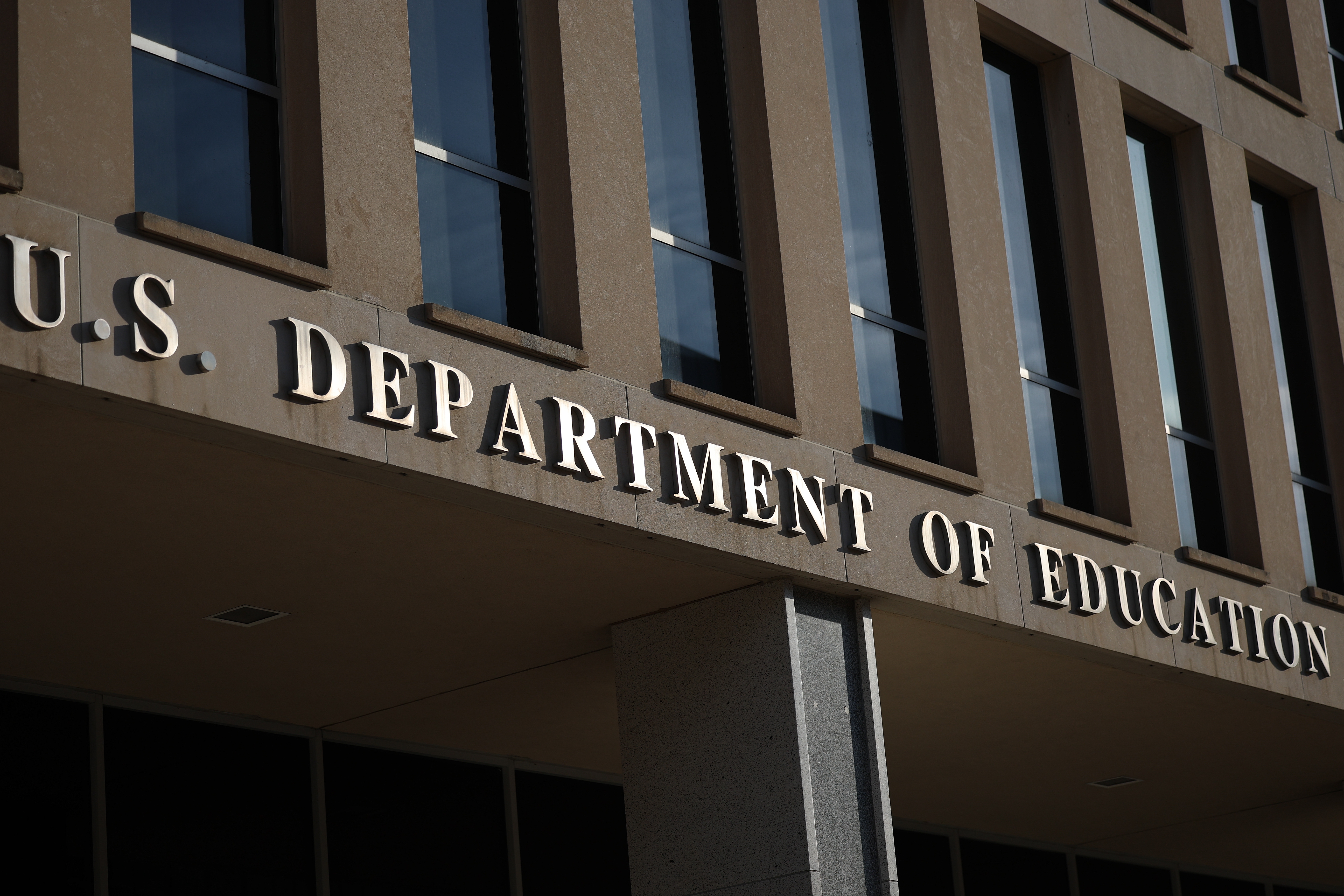
America's comprehensive civil rights data for schools, a vital tool for analysing inequities and ensuring compliance, is six months overdue, sparking alarm among advocates and raising questions about the Trump administration's commitment to transparency.
The US Education Department, historically responsible for collecting and promptly publishing this detailed information, has yet to release its latest findings, leaving a significant gap in public understanding of critical issues like student harassment, discrimination, and the provision of essential services for students with disabilities.
Data Delays Fuel Accountability Fears
NPR National reported that this delay marks a significant departure from previous practice, where the data was routinely made public within a reasonable timeframe. The dataset, known as the Civil Rights Data Collection (CRDC), covers key metrics such as student discipline rates, access to advanced coursework, teacher demographics, and instances of bullying and harassment based on race, gender, and disability.
Without this up-to-date information, educators, policymakers, and civil rights organisations are hampered in their efforts to identify systemic issues and advocate for necessary reforms. The CRDC is instrumental in holding schools accountable for adhering to federal civil rights laws, providing a statistical lens through which to examine disparities in educational outcomes and opportunities across the nation.
Advocates argue that timely access to this data is not merely a bureaucratic formality but a fundamental component of ensuring equitable educational environments for all students, particularly those from marginalised communities. The prolonged absence of the 2017-18 school year's data effectively shrouds potential problems in American schools from public scrutiny, making it difficult to assess the impact of current educational policies.
Historical Precedent for Transparency
Historically, the Education Department has upheld a strong tradition of making this data readily available. This commitment to transparency has allowed researchers to track trends over time, identify regions or districts where civil rights concerns are particularly acute, and inform targeted interventions. The CRDC, typically encompassing metrics from over 95,000 public schools and early learning programmes, represents an unparalleled insight into the state of equity in American education.
Previous administrations, including Republican ones, have prioritised the swift release of this information, understanding its role in fostering public trust and facilitating evidence-based policy decisions. The current delay, therefore, represents a marked shift and has invited criticism that the administration may be less inclined to highlight areas where civil rights protections might be falling short.
Impact on Policy and Funding
The absence of current CRDC data has tangible implications for policy development and the allocation of resources. Federal funding, often tied to demonstrable needs and compliance with civil rights statutes, relies on accurate and timely data to ensure it is directed effectively. Organisations working to combat discrimination or improve services for students with disabilities, for instance, use the CRDC to bolster their arguments for increased funding or legislative changes.
Without recent figures, these groups are forced to rely on outdated information, potentially misrepresenting current realities or undermining the urgency of their appeals. This can translate into real-world consequences for students, from continued exposure to discriminatory practices to insufficient support for those with special needs. The delay could also impede the ability of new legislation or initiatives to be accurately assessed for their impact on civil rights in education.
Calls for Immediate Release
The prolonged hold-up draws comparisons to broader concerns about governmental data transparency in the United States. As the delay stretches into its sixth month, calls are mounting from various organisations and political figures for the Education Department to release the data without further ado. The argument is simple: accountability cannot exist in a vacuum, and robust data is the bedrock upon which genuine accountability is built.
The cost of delayed transparency, in terms of lost opportunities for intervention and eroded public trust, far outweighs any perceived benefit of withholding the information. As the academic year progresses in Australia, the ongoing situation in the US serves as a potent reminder of the importance of unfettered access to civil rights data in maintaining democratic oversight and ensuring equitable educational outcomes for all.


