Sydney Daily News readers, accustomed to the hard-hitting gladiatorial contests of the NRL or the strategic finesse of the AFL, might find themselves captivated by the sheer athleticism on display in American college football. A recent analysis by CBS Sports NY has spotlighted a fascinating dimension of the game: the quarterbacks who simply refuse to be tackled.
The sports media giant undertook a comprehensive statistical deep dive, scrutinising performance data to identify the ten most elusive signal-callers in the National Collegiate Athletic Association (NCAA) Division I Football Bowl Subdivision (FBS). These are the players who, through a combination of speed, agility, and often sheer willpower, consistently slip out of tackles, extend plays, and ultimately frustrate even the most disciplined defensive lines. For fans of rugby league, think of the slipperiness of a prime Kalyn Ponga or James Tedesco, but in a gridiron context.
The Manning Dynasty's Next Chapter
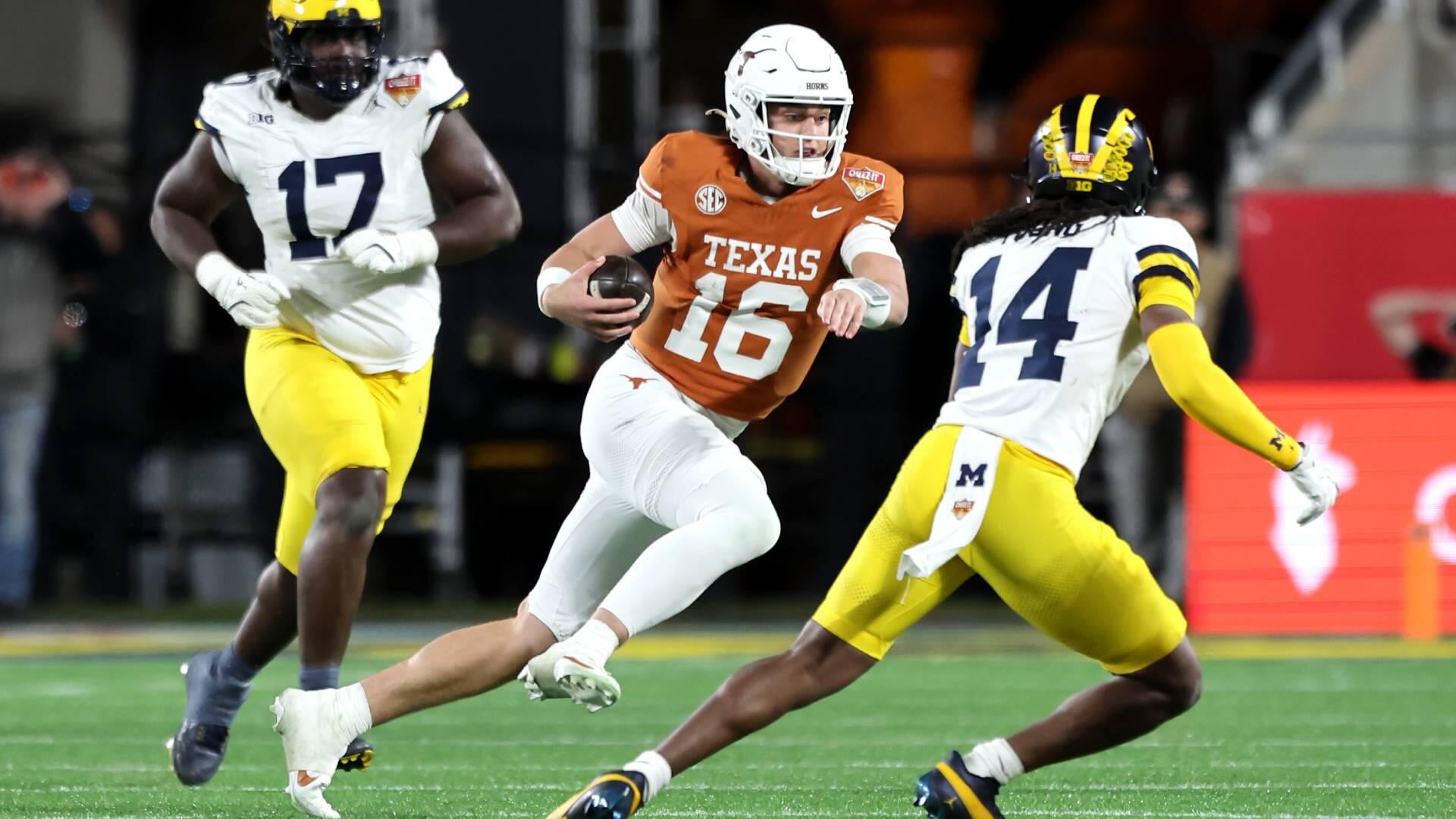
Topping the list, or at least featuring prominently among the elite, is a name that resonates deeply within American football lore: Arch Manning. The nephew of NFL legends Peyton and Eli Manning, and grandson of Archie Manning, the young Texan quarterback is already a sensation. While the full extent of his on-field exploits at the University of Texas is still unfolding, CBS Sports NY reported that his innate ability to avoid defensive pressure and keep plays alive has positioned him as one of the hardest quarterbacks to bring down. His presence on this list, even at an early stage in his collegiate career, underscores the exceptional athletic talent that runs in the Manning family, extending beyond just arm strength and football IQ.
Unpacking the Elusiveness Factor
The metrics used by CBS Sports NY for this analysis went beyond mere rushing yards. They likely factored in data points such as broken tackles, sacks avoided, pressure escapes, and the ability to convert potential negative yardage plays into positive gains. It’s a nuanced look at quarterback play that highlights not just offensive prowess, but also a crucial defensive-evading skill set. In a sport where a sack can derail a drive and shift momentum, a quarterback who can consistently wriggle free offers an invaluable advantage to his team. It’s the kind of resilience and evasiveness that can turn a potential $10 million contract into a $100 million deal at the professional level.
Sam Leavitt: A Rising Star
Another standout mentioned by the US outlet is Sam Leavitt. While perhaps not as globally recognised as a Manning, Leavitt represents the depth of talent emerging in the collegiate ranks. His inclusion among the top ten most elusive signal-callers suggests a player with exceptional instincts and physical attributes. These are the athletes who not only execute plays from the pocket but also possess the improvisational genius to extend plays when the pocket collapses, often turning what should be a loss into a first down or even a touchdown. For Australian audiences, imagine the dynamic footwork of a Cameron Munster or Nathan Cleary, applied to evading charging linemen weighing 130 kilograms or more.
Broader Implications for the Game
The rise of the elusive quarterback has profound implications for how college football — and by extension, the NFL — is played and defended. Defences are increasingly challenged to not only pressure the quarterback but also to contain them. It demands more disciplined pass rushes, better open-field tackling from defensive linemen, and linebackers with improved coverage and pursuit skills. The trend highlights a shift towards more mobile, dual-threat quarterbacks who can hurt defences with both their arm and their legs, making them a nightmare to prepare for and a joy to watch. It's a reminder that even in a sport defined by brute force, agility and evasiveness remain paramount.