
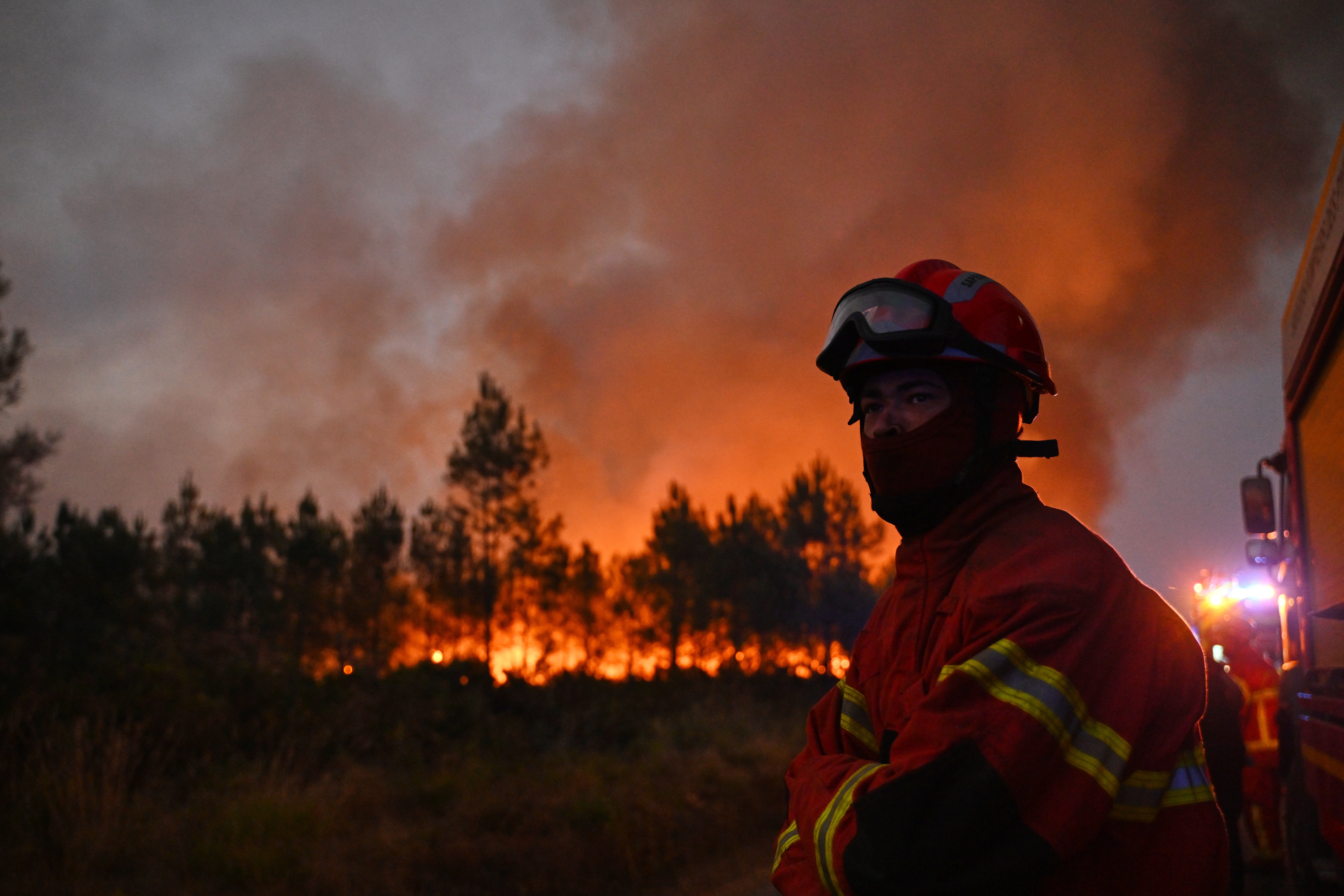
French authorities have ordered the evacuation of an additional 4,000 individuals from popular tourist destinations along the nation's Atlantic seaboard, significantly expanding what is rapidly becoming France's most substantial peacetime relocation effort. The escalating crisis is a stark illustration of the extreme conditions gripping southwest Europe, where a brutal heatwave has fuelled infernos of unprecedented scale.
The widespread evacuations underscore the intense pressure on emergency services grappling with blazes that have already consumed tens of thousands of hectares. Many of those displaced are holidaymakers, their summer plans abruptly curtailed by walls of fire and choking smoke, forced to abandon campsites and seaside resorts with little warning.
Unprecedented Scale of Disruption
NPR World reported that the latest directives have widened an already extensive evacuation zone, reflecting the unpredictable and rapid spread of the wildfires. The sheer number of people moved, now totalling well over 300,000 across the affected regions of southwest Europe, paints a grim picture of the humanitarian and environmental catastrophe unfolding. In France, the focus remains on the Gironde department, a region renowned for its pine forests and vineyards, which has borne the brunt of the destructive blazes.
Firefighters, many from international contingents, are battling exhaustion as they contend with relentless heat and volatile winds that fan the flames. Aircraft, including water-bombing planes, are working around the clock, but the scale of the fires often overwhelms even the most intensive aerial assaults. Local officials have described the situation as 'critical,' urging residents and tourists to comply immediately with all evacuation orders for their safety.
Australia's Summer Echoes in Europe
The scenes unfolding in Europe bear an eerie resemblance to Australia's own devastating 'Black Summer' bushfires of 2019-2020. Expert meteorologists are drawing parallels between the prolonged heatwaves and dry lightning strikes that sparked those infernos and the current conditions across Europe. The continent is experiencing record-breaking temperatures, with mercury soaring above 40 degrees Celsius in many areas, creating a tinderbox environment. The long-term implications of such intense and frequent fire seasons, exacerbated by climate change, are a growing concern for global authorities.
Economic Fallout and Recovery Efforts
Beyond the immediate danger to life, the wildfires are inflicting a substantial economic toll. Agricultural lands, including grapevines crucial to France's renowned wine industry, have been ravaged. Tourism, a cornerstone of the regional economy, has come to an abrupt halt, with countless bookings cancelled and infrastructure damaged. The cost of firefighting operations alone amounts to millions of Australian dollars daily, not including the immense expenditure required for long-term recovery and rebuilding efforts. Governments are beginning to assess the full extent of the damage, acknowledging that the path to recovery will be arduous and protracted.
As the fires continue to burn, the international community remains focused on providing support and resources to the beleaguered nations. The immediate priority is containing the blazes and ensuring the safety of all individuals affected by one of Europe's most challenging wildfire seasons in recent memory.
