
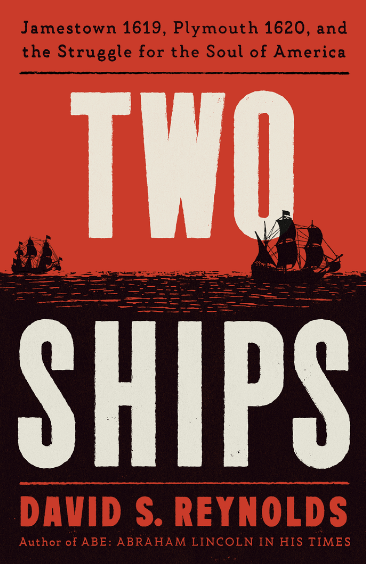
The Australian narrative of colonisation often begins with Captain Cook and the First Fleet, a pivotal moment in our nation's story. However, an insightful new book by American historian David S. Reynolds, titled 'Two Ships: The US, Australia and the Legacies of Empire,' compels a broader, more unsettling examination of the intertwining threads of settlement and servitude that define the foundations of Western democracies. As reported by NPR Arts, Reynolds meticulously dissects the parallel, yet starkly contrasting, legacies of the Mayflower and the White Lion, voyages that predate Australia's own colonial genesis but offer uncomfortable echoes and prescient insights.
Echoes of Empire: Beyond the First Fleet
Australians are increasingly grappling with the complex and often painful history of colonisation, moving beyond simplistic narratives to acknowledge the immense human cost. Reynolds’ work, while geographically centered on the nascent United States, provides a crucial comparative lens through which to view our own origins. The Mayflower, arriving in Plymouth in 1620, carried Pilgrims seeking religious freedom – a narrative often romanticised as the birth of American liberty. Its antithesis, the White Lion, arrived just a year earlier in 1619, docking in Virginia with the first enslaved Africans stolen from their homelands. These two vessels, one celebrated for its ideals of freedom, the other a harbinger of brutal subjugation, laid the groundwork for a deeply conflicted national identity, much like the one Australia continues to navigate.
The Price of 'Progress': Freedom and Bondage
Reynolds argues that these two voyages are inextricably linked, representing the dual impulses at the heart of European expansion: the quest for new beginnings and the exploitation of land and labour. The Pilgrims, fleeing persecution, sought to build a new society, yet their arrival inevitably dispossessed Indigenous populations. Simultaneously, the forced labour brought by the White Lion powered the economic engine of nascent colonies, enriching settlers at an unfathomable human cost. This juxtaposition forces a reckoning with how concepts of freedom and opportunity for some were built upon the systemic oppression of others – a theme that resonates deeply within Australia's own history of dispossession and indentured labour, albeit under different guises. The economic drivers, the racial hierarchies established, and the long-term societal impacts of these foundational moments, as explored by Reynolds, offer discomforting parallels to Australia's nation-building efforts.
A Shared Legacy, Divergent Paths
While the specific contexts differ, the 'Two Ships' narrative invites Australians to consider the deeper, interconnected historical currents that shaped the Anglosphere. The legal frameworks, property rights, and racial attitudes that took root following these early voyages in North America informed colonial practices globally, including those implemented in Australia. For instance, the Mabo decision later highlighted the Australian legal system's struggle to reconcile British common law with Indigenous sovereignty, echoing the belated recognition of rights for descendants of those brought on the White Lion. The economic models, reliant on resource extraction and often exploitative labour, established by these early settlements, also had long-reaching impacts that continue to shape global economies, including Australia's.
Re-evaluating National Stories
Reynolds' contribution, as highlighted by NPR Arts, is not merely a historical account but an invitation to re-evaluate cherished national myths. By placing the Mayflower and the White Lion in direct dialogue, he demonstrates how seemingly disparate historical events are, in fact, deeply intertwined. For Australian readers, this offers a powerful lens through which to examine our own foundational stories – not to diminish the achievements, but to acknowledge the full complexity and often painful realities of our past. Understanding these parallel histories, and the dual impulses of freedom and oppression they represent, is crucial for fostering a more inclusive and truthful understanding of who we are, where we came from, and where we are heading as a nation with a rich, albeit sometimes difficult, history that ultimately needs to be faced with open eyes and a willingness to learn.


