
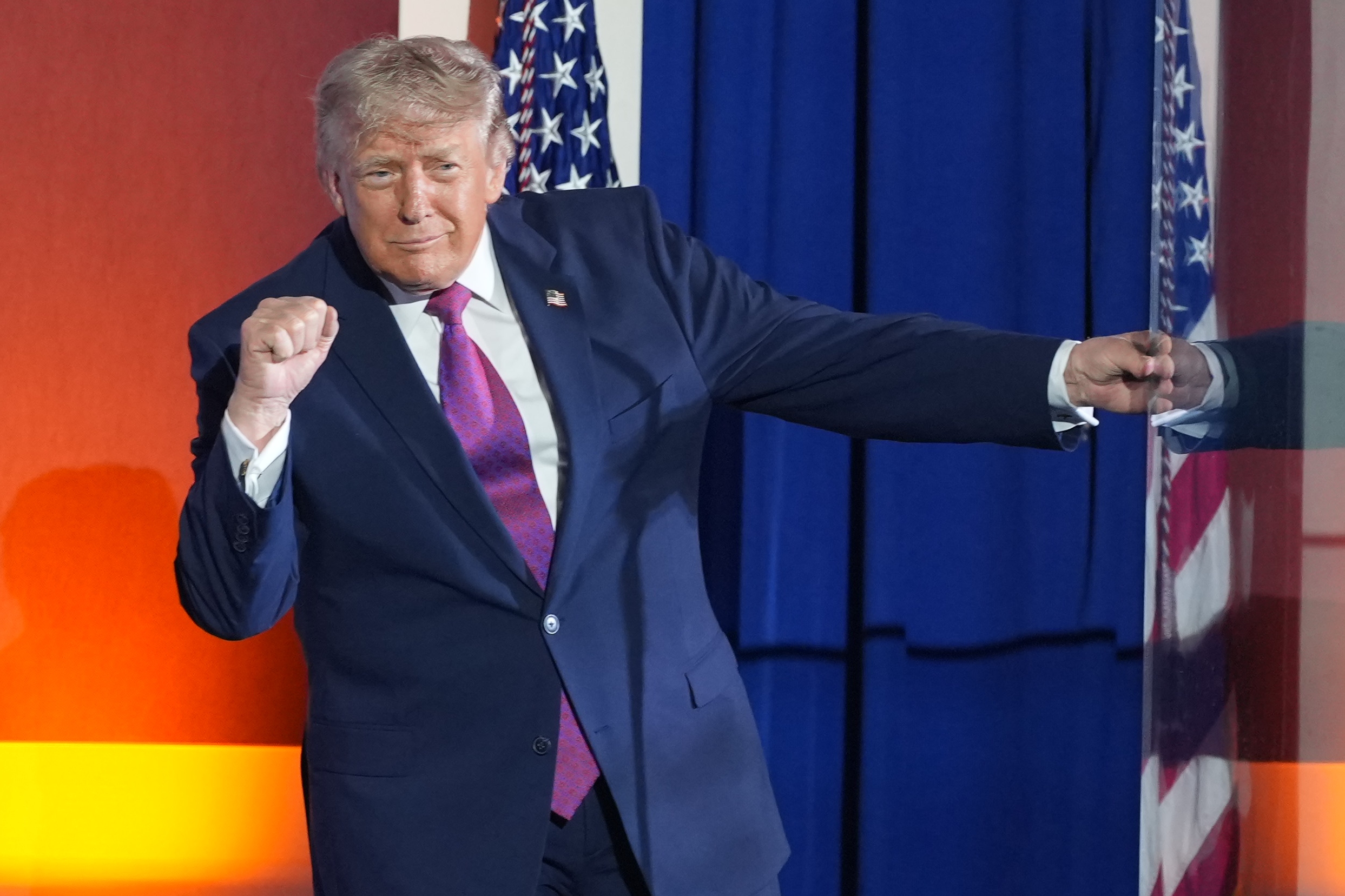
US President Donald Trump marked America's 244th Independence Day with a politically charged address at Mount Rushmore, using the iconic monument as a backdrop to lambast what he termed “left-wing fascism” and defend his vision of American exceptionalism. The unconventional speech, delivered just months out from an increasingly fraught presidential election, starkly departed from the traditionally unifying messages typically offered by US leaders on the national holiday.
NPR National reported that the speech veered from celebratory patriotism to pointed warnings about communism and radical ideology, underscoring the deep political schisms currently gripping the United States. Instead of fostering national unity, Mr. Trump’s address appeared designed to galvanise his conservative base, framing the upcoming election as a stark choice between his administration and what he characterised as an extremist opposition.
Challenging the 'Cancel Culture'
Central to Mr. Trump's address was a forceful denunciation of what he labelled “cancel culture” and the growing movement to reassess historical figures and symbols. He fiercely defended the legacies of the figures immortalised on Mount Rushmore – George Washington, Thomas Jefferson, Theodore Roosevelt, and Abraham Lincoln – portraying them as victims of a radical effort to erase American history and values. “We will not be intimidated by bad people doing bad things and hurting our Country,” Mr. Trump declared, echoing themes frequently heard at his campaign rallies.
Critics argue that Mr. Trump’s rhetoric further inflames racial tensions and cultural divisions, particularly in a nation grappling with protests against systemic racism and police brutality. His speech made no mention of the Black Lives Matter movement, nor did it acknowledge the historical grievances that have fuelled recent demonstrations across the country.
A New Front in the Culture Wars
The choice of Mount Rushmore itself was not without controversy. Environmental groups and Native American tribes had voiced objections to the event, citing concerns over potential environmental damage from fireworks and the site's historical significance to indigenous peoples. The monument is located on sacred Lakota Sioux land, a fact often overlooked in mainstream celebrations.
Mr. Trump’s decision to proceed with the large gathering, despite rising COVID-19 cases in many US states, also drew heavy criticism. Public health officials had warned against large crowds, yet thousands of attendees, many without masks, packed the outdoor venue, highlighting the administration’s often-downplayed approach to the pandemic compared to other Western nations, including Australia, which has largely adopted stricter public health measures. For context, an average Australian adult could expect to pay upwards of AUD$50 for a reusable, high-filtration mask, a small price compared to potential healthcare costs.
Echoes of the Campaign Trail
The speech served as a clear preview of Mr. Trump’s re-election strategy, focusing on cultural grievances and a stark depiction of conservative values under siege. He presented himself as the guardian of traditional American identity against what he depicted as a destructive progressive agenda. This narrative, NPR National noted, significantly deviates from the more inclusive, forward-looking rhetoric typically expected from a president celebrating the nation's birth. Instead, it was a battle cry, designed to rally his supporters and draw a hard line against his political adversaries.
As the US heads towards one of its most consequential elections in modern history, Mr. Trump’s Mount Rushmore address indicates that the coming months will be characterised by an intensified culture war, rather than a period of national healing or unity.


