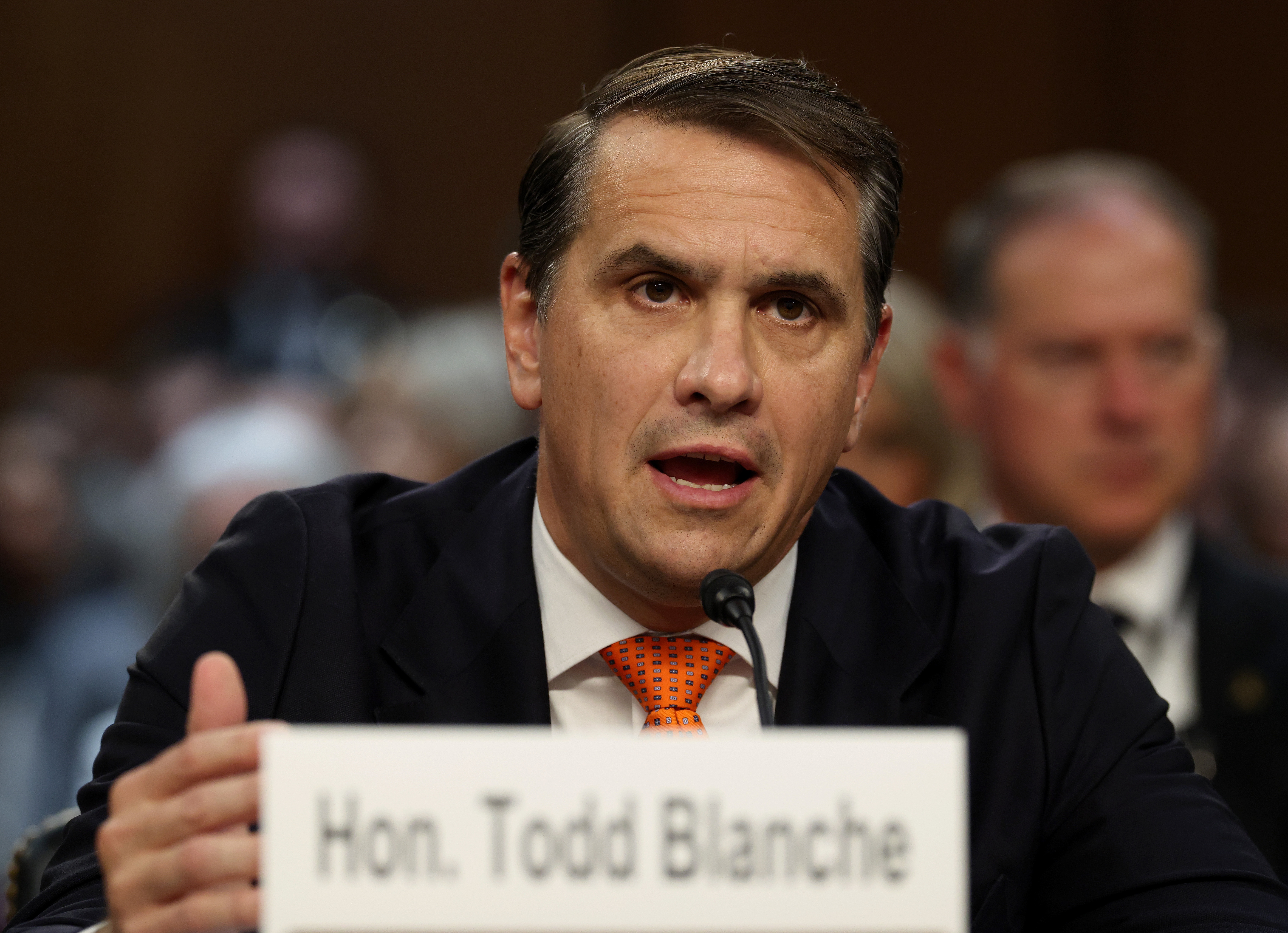
Washington D.C. — US President Donald Trump has indicated he might temporarily pull the nomination of John Blanche as Attorney-General, a move prompted by strong opposition from within his own party over a perceived quid pro quo between the Justice Department and the White House. The announcement, initially reported by NPR National, signals growing internal strife as the President attempts to solidify his top legal team.
The potential withdrawal comes as two influential Republican senators have reportedly withheld their crucial support, raising serious concerns about the integrity and independence of the Justice Department. Their apprehension centres on a recent, undisclosed agreement reached between the DOJ and President Trump, the details of which remain opaque but have sparked widespread unease on Capitol Hill.
Republican Rebellion Brews
The unnamed Republican senators’ opposition is a significant blow to the President's efforts to swiftly install his preferred Attorney-General. Typically, presidential nominees, especially for such high-profile positions, enjoy a degree of deference from their party. However, the current situation underscores a rare bipartisan concern regarding the executive branch's influence over the nation's premier law enforcement agency. Sources close to the Senate deliberations suggest that the senators' primary objection stems from the nature of the Justice Department's deal, fearing it could compromise the autonomy of federal investigations. The integrity of the DOJ, particularly its historical insulation from political interference, is a cornerstone of American democratic principles, and any perceived breach of this separation is met with fierce scrutiny.
The Mysterious DOJ Deal Under Scrutiny
Details surrounding the Justice Department's alleged agreement with President Trump remain scant, fuelling speculation and apprehension. NPR National reported that the deal is at the heart of the Republican senators' reluctance to endorse Blanche. While the exact terms are undisclosed, unnamed congressional aides have hinted at provisions that could be interpreted as concessions from the DOJ to the President, potentially in exchange for political favours or the quashing of uncomfortable inquiries. This opacity has led to accusations of a lack of transparency, with critics demanding a full disclosure of the agreement's contents to ensure no undue influence has been exerted over the department responsible for upholding the rule of law. The whispers circulating through Washington describe a deal that could set a dangerous precedent, blurring the lines between executive power and judicial independence.
A Blow to Presidential Authority
For President Trump, openly contemplating the temporary withdrawal of his nominee represents a significant setback. It suggests an acknowledgement of insufficient votes to secure Blanche’s confirmation, forcing a tactical retreat. This is not merely a procedural delay; it’s a public demonstration of waning unified support within his party for key appointments, especially when those appointments arrive shrouded in controversy. A temporary withdrawal would allow the White House time to either address the concerns of the dissenting senators, renegotiate aspects of the Justice Department deal, or potentially seek an alternative nominee. However, the optics of such a move could portray a presidency struggling to maintain control over its legislative agenda and facing increasing internal resistance.
Implications for Australian Observers
While this is an internal US political matter, Australian political analysts will be observing these developments closely. The stability and perceived independence of key US institutions, including the Justice Department, have broader implications for international relations and the rule of law globally. Any erosion of these democratic pillars in the United States could spark concerns among its allies. The ongoing political wrangling over fundamental governmental structures in Washington serves as a cautionary tale, demonstrating the complexities and fragility inherent in the checks and balances of a robust democracy, a system often admired and emulated by nations like Australia.