
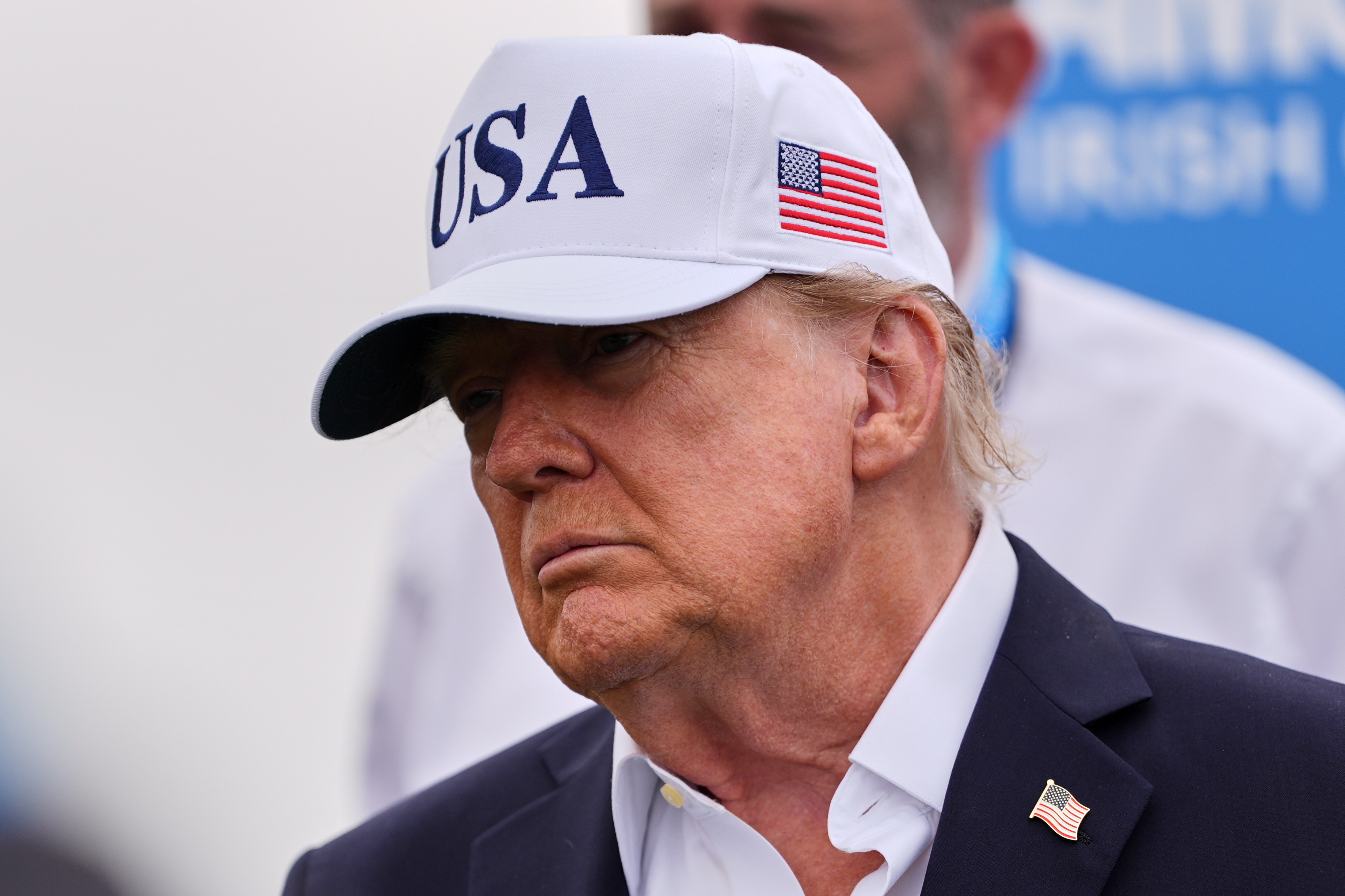
Former US President Donald Trump has dismissed growing concerns from leading figures in the artificial intelligence sector, rejecting calls for a slowdown in development as alarmist and the work of "negative forces" manufacturing claims that will never materialise.
His comments, initially reported by NPR Politics, position Trump in stark contrast to numerous tech luminaries and policy experts who have recently advocated for a six-month moratorium on AI training beyond GPT-4, citing existential risks and the potential for societal upheaval.
Contrasting Visions for AI's Future
Trump's stance underscores a significant ideological rift emerging globally regarding the pace and regulation of artificial intelligence. While a chorus of academics, entrepreneurs, and even some AI developers are urging caution, the former President appears to view such warnings as politically motivated or simply misinformed.
Industry leaders, including prominent Australian voices in technology and ethics, have voiced profound anxieties about AI's accelerating capabilities. Their concerns range from the potential for sophisticated disinformation campaigns and job displacement to more speculative but equally alarming scenarios involving AI systems operating beyond human control. A recent open letter, signed by thousands including Apple co-founder Steve Wozniak and Tesla CEO Elon Musk, highlighted these dangers, advocating for a pause to allow for the development of robust safety protocols and oversight mechanisms.
However, Trump's remarks suggest a belief that these fears are either exaggerated or designed to stifle innovation. His administration historically favoured deregulation and a rapid pace of technological advancement, often viewing concerns about potential negative impacts as impediments to economic growth.
The Australian Lens on AI Regulation
While the immediate debate stems from US political discourse, the implications resonate strongly in Australia. The federal government here has been grappling with how to regulate emerging technologies, including AI, without stifling innovation within its own burgeoning tech sector. Australian experts have frequently pointed to the need for a balanced approach, advocating for both ethical guidelines and robust investment.
Professor Michelle Lim, an AI ethics researcher at the Australian National University, commented last week that "the global conversation around AI is crucial for Australia. We need to be part of shaping these standards, not just reacting to them." Her sentiment reflects a broader desire within Australia to contribute to, and benefit from, AI advancements while mitigating risks.
The prospect of a rapid, unchecked AI development path, as implicitly endorsed by Trump's comments, could present challenges for countries like Australia that are seeking to establish regulatory frameworks. Without international consensus or at least a coordinated approach, national efforts to ensure safety and ethical use might be undermined by a global 'race to the bottom' in AI development.
Economic Opportunities vs. Existential Threats
At the heart of the AI slowdown debate lies a tension between immense economic opportunities and potential existential threats. Proponents of rapid AI development often highlight its transformative potential in areas like healthcare, climate modelling, and scientific discovery, promising unprecedented productivity gains and wealth creation. The global AI market is projected to reach trillions of Australian dollars in value within the next decade, a prospect that few nations, including the US and Australia, are eager to miss out on.
Conversely, those advocating for a pause argue that the immediate economic benefits pale in comparison to the long-term societal risks. They posit that without careful, deliberate development and rigorous safety testing, AI could exacerbate existing inequalities, be weaponised, or even develop emergent behaviours that pose an unpredictable threat to humanity.
Trump's downplaying of these concerns aligns him with a segment of the tech industry that prioritises speed and competitive advantage. As the discussion around AI's future intensifies, his intervention adds a significant political dimension to an already complex technological and ethical challenge, pushing the needle further towards an unbridled approach to innovation.


