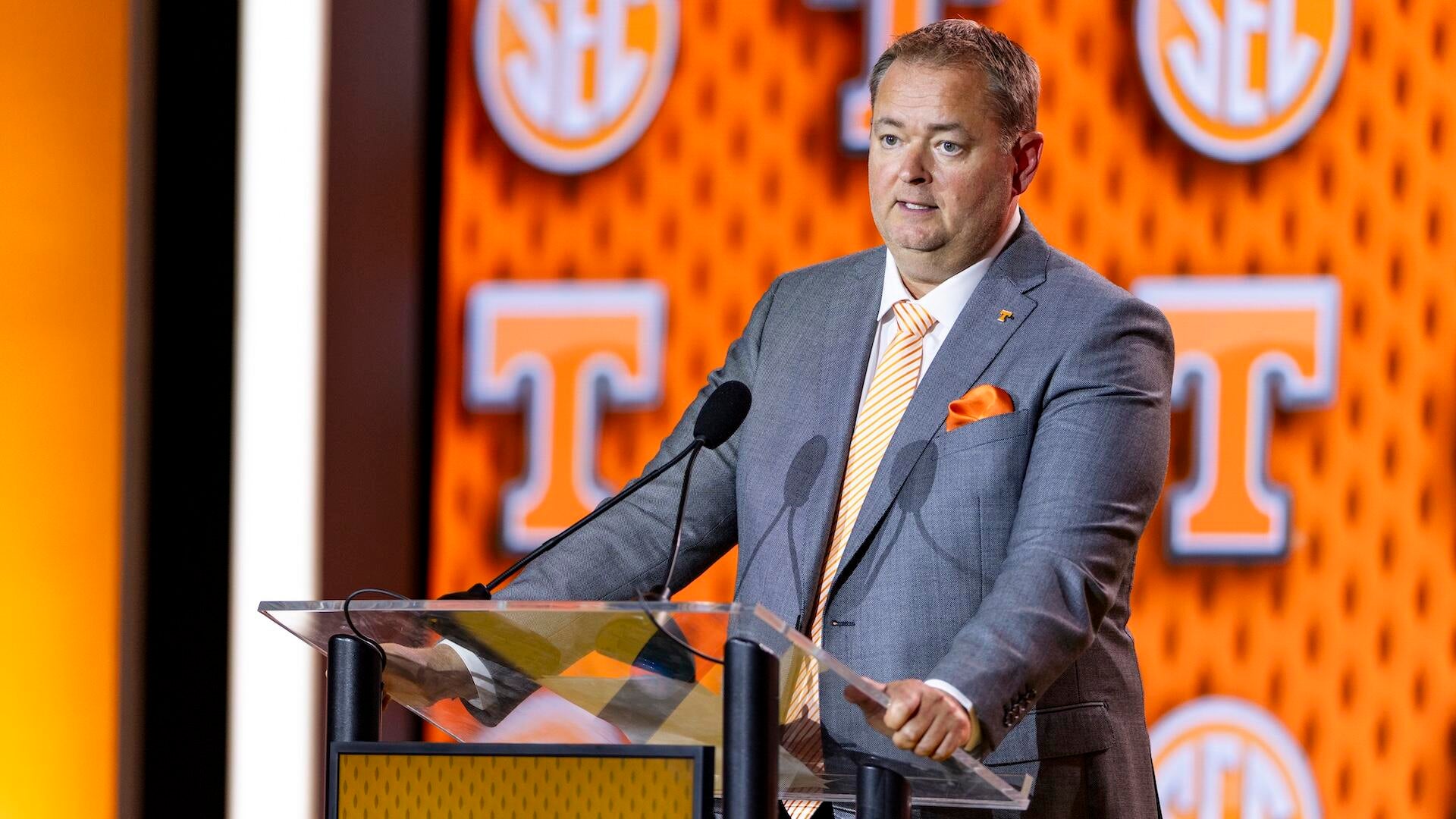
Knoxville, Tennessee is abuzz as the Volunteers place their faith in new defensive coordinator Jim Knowles, lured to the SEC powerhouse with expectations of an instant metamorphosis for a defence that languished amongst the league's worst in 2025. Head coach Josh Heupel has publicly expressed confidence in Knowles' ability to make a quick impact, a sentiment echoed by many within the program. However, a closer look at Knowles' coaching history at other institutions suggests that immediate, dramatic turnarounds in defensive fortunes are often more aspirational than achievable.
Big Hopes, Big Price Tag
Knowles arrives at Tennessee with a hefty reputation, having earned accolades as one of college football's premier defensive strategists. His appointment is a significant investment for the Volunteers, who are clearly desperate to plug a leaky defence that has contributed to their recent struggles. The sentiment within the athletic department, according to sources close to the team, is that Knowles is the missing piece to propel Tennessee back into contention within the highly competitive Southeastern Conference. Coach Heupel's public statements reflect an urgency for rapid improvement, suggesting that patience may be in short supply for a program keen to see a return on their substantial investment.
The Ohio State Precedent
One of Knowles' most notable recent stops was at Ohio State, where he took over a Buckeyes defence in 2022. While his tenure there ultimately saw improvements, the initial impact was not instantaneous. As CBS Sports NY reported, the Buckeyes' defensive efficiency, particularly against the pass, showed only modest gains in his first year, with significant strides becoming more apparent in the subsequent season. This pattern suggests that while Knowles is undoubtedly a talented coordinator, even elite strategists require time to fully implement their schemes, recruit suitable personnel, and acclimatise players to new methodologies. The intricate nature of defensive systems, requiring synchronicity and deep understanding across multiple positions, rarely lends itself to an overnight transformation.
A History of Gradual Gains
Further examination of Knowles' career reveals a consistent trend of incremental improvement rather than instant revolutions. At both Oklahoma State and Duke, his defensive units typically showed their most significant gains in their second or third seasons under his tutelage. While there were often flashes of brilliance and occasional strong performances in his inaugural campaigns, wholesale statistical shifts that translated into consistently dominant defensive play generally took longer to materialise. This isn't a criticism of Knowles' capability but rather a realistic appraisal of the demanding nature of collegiate football, where player development, scheme mastery, and recruiting cycles all play crucial roles in sustained success.
Can Tennessee Buck the Trend?
The question for Tennessee then becomes: can they defy this historical pattern? The SEC is arguably the most challenging conference in college football, replete with offensive firepower that can expose any nascent defensive frailties. While Heupel's optimism is understandable, the expectation of an immediate, seismic shift in defensive performance might be an ambitious ask. Knowles possesses the tactical acumen and coaching pedigree to eventually elevate Tennessee's defence. However, fans and stakeholders might need to temper their expectations for the upcoming season, acknowledging that even the best coaches often require a period of adjustment for their vision to fully materialise on the field. Bringing a struggling unit from the bottom tier of the SEC to an elite level is a marathon, not a sprint, and history suggests Knowles' journey at Tennessee may follow a similar, albeit ultimately successful, trajectory.