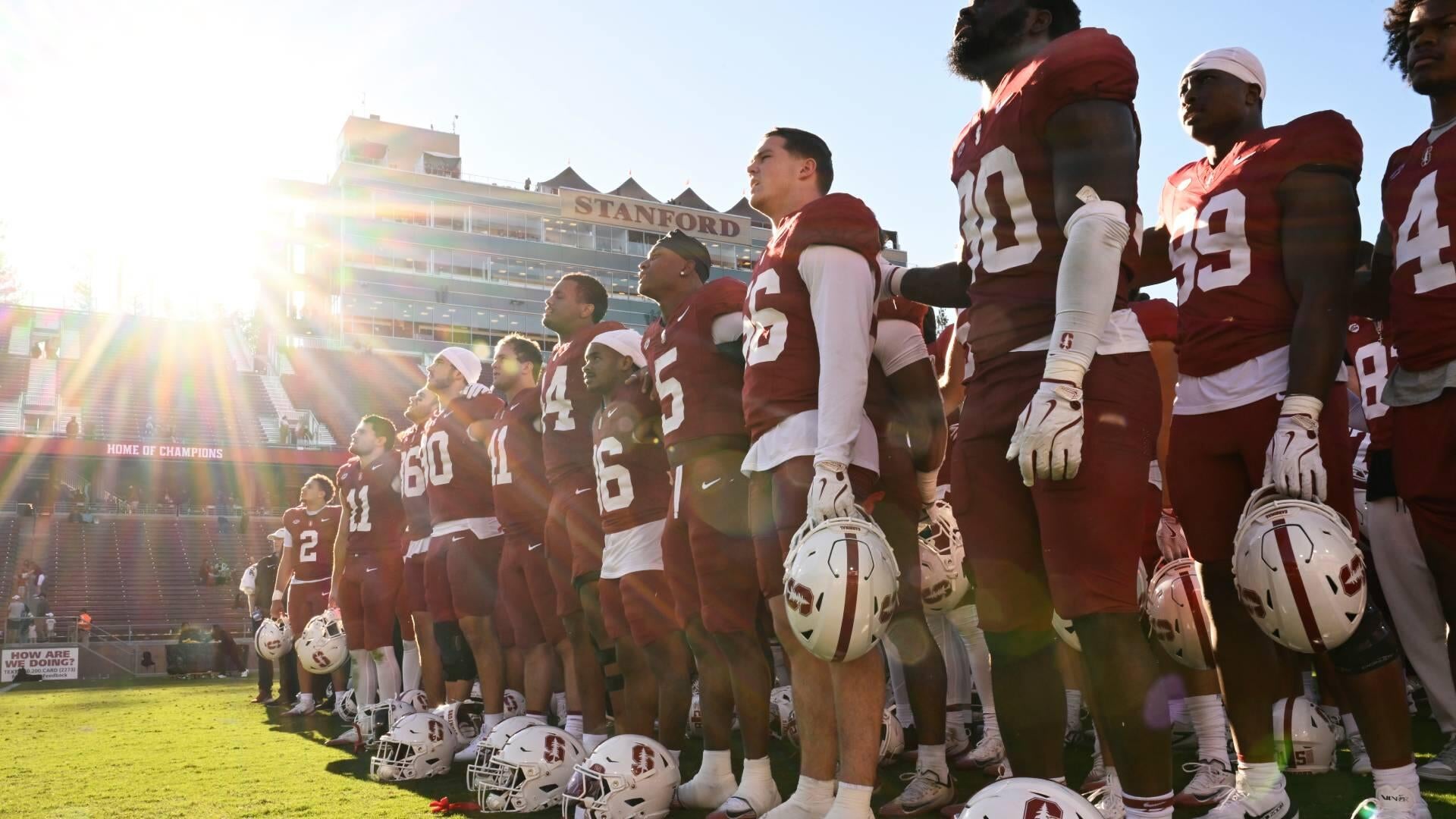
A quiet but determined revolution is brewing in the heart of American college football, spearheaded by athletes at Stanford University. While immediate change isn't on their playbook, these young gridiron stars are laying the groundwork for a future where college players could form a union, dramatically reshaping the multi-billion dollar industry.
This audacious ambition, as reported by CBS Sports NY, signals a significant evolution in the ongoing debate about athlete rights and compensation in US collegiate sports. The move could see players, currently considered amateurs, gain collective bargaining power, challenging decades of traditional NCAA (National Collegiate Athletic Association) structures.
The Genesis of Grievances
The push for unionisation stems from a complex tapestry of grievances. For years, college athletes have generated immense revenue for their universities and the NCAA, yet until recently, were largely prohibited from profiting directly from their name, image, and likeness (NIL). While NIL rules have relaxed, allowing players to strike endorsement deals, many feel this doesn't go far enough to address fundamental inequalities.
Stanford players, known for their academic prowess as much as their athletic talent, are reportedly engaging in extensive research and dialogue, scrutinising existing labour models and legal precedents. Their discussions extend beyond mere financial remuneration, encompassing issues such as health and safety protocols, guaranteed scholarships regardless of injury, and greater input into scheduling and training regimes. The sentiment is that while they are student-athletes, they are also workers whose efforts drive a massive commercial enterprise.
Learning from Professionals and Precedents
To build their case, the Stanford contingent is reportedly drawing inspiration from professional sports unions, both within the US and internationally. They are examining the structures and successes of organisations like the NFL Players Association (NFLPA) and the NBA Players Association (NBPA), considering how similar models could be adapted to the unique collegiate environment. The legal battles fought by NRL and AFL players in Australia for improved conditions and pay, while in a professional context, offer illustrative examples of the power of collective action.
Key to their strategy is understanding the complex web of state and federal labour laws in the United States and identifying pathways for recognition as employees, rather than simply students. This legal reclassification would be the cornerstone of any successful unionisation effort, opening the door to formal collective bargaining agreements.
A Long Game for Future Generations
Crucially, the Stanford players acknowledge that the formation of a union is not an overnight prospect. They understand it's a long-term project, potentially spanning years, if not decades, exceeding their own playing careers. Their current efforts are focused on education, outreach, and building a foundation of support among their peers across various institutions in the powerful Atlantic Coast Conference (ACC) and beyond. The aim is to create a groundswell of opinion that will eventually become too significant for college athletics' governing bodies to ignore.
The audacious goal is to empower future generations of college athletes, ensuring they have a genuine voice at the table where decisions impacting their lives and livelihoods are made. Should they succeed, it would represent nothing short of a seismic shift in American college sports, moving from a paternalistic amateur model towards one that recognises the true value of its athletic talent, much like professional sporting codes here in Australia do with their multi-million dollar contracts and player associations.