
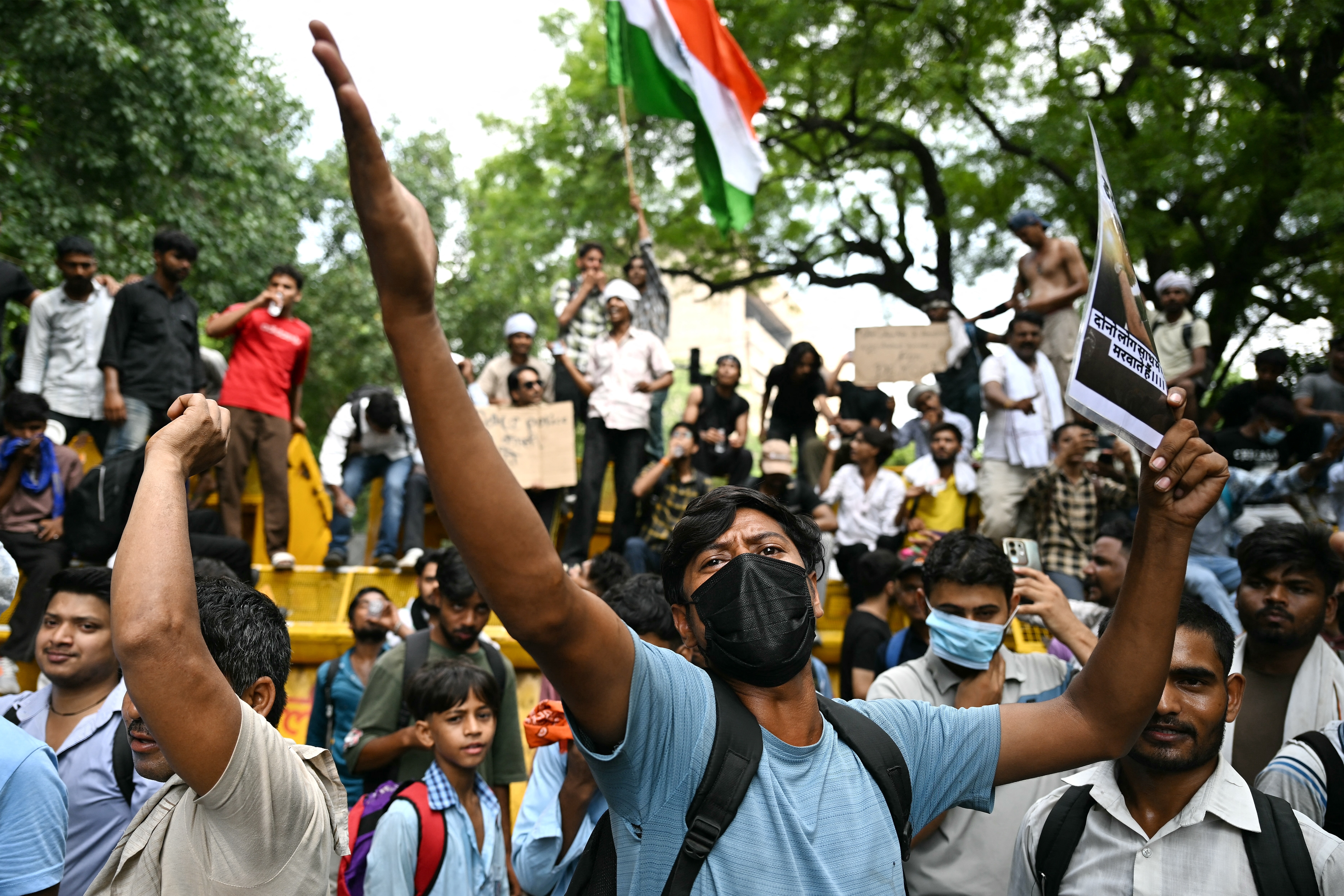
A youthquake is sweeping across South Asia, as a generation once seen as a demographic boon transforms into a formidable political force. This cohort, often playfully dubbed 'the cockroach in the machine,' is challenging entrenched elites and demanding a fresh approach to governance and opportunity, as reported by NPR World.
From the bustling metropolises to the remote villages, young people in countries like India, Pakistan, and Bangladesh are increasingly vocal and organised. Unlike previous generations, they are less swayed by traditional allegiances and more concerned with issues such as climate change, economic stagnation, and rampant corruption. Their activism is not always overt protest; it's a subtle but persistent gnawing at the foundations of power, leveraging digital platforms to amplify their voices and mobilise their peers.
The Unfulfilled Promise of the Dividend
For decades, political leaders across South Asia have proudly trumpeted their 'demographic dividend' – a burgeoning young population poised to fuel economic growth and innovation. The promise was clear: a large, youthful workforce would drive productivity, consume goods, and propel their nations into an era of prosperity. However, for a significant portion of Gen Z, this dividend feels more like a burden. High youth unemployment rates, coupled with soaring costs of living and limited access to quality education and healthcare, have left many feeling disenfranchised and disillusioned.
NPR World's analysis highlights that this generation, often better educated and digitally connected than their predecessors, is acutely aware of the disparities between the rhetoric of their leaders and the reality of their daily lives. They witness wealth accumulating in the hands of a few while opportunities for the many dwindle. This stark contrast is stoking a quiet but potent resentment, pushing them towards political engagement in unprecedented ways.
Digital Democracy and Disruptive Demands
The internet and social media have proven to be powerful equalisers for South Asia's youth. Unlike past generations who relied on traditional media controlled by the state or established interests, Gen Z has unfettered access to information and platforms for expression. This digital fluency allows them to bypass traditional gatekeepers, organise grassroots movements, and hold their leaders to account with remarkable speed and efficiency. What might once have been a localised grievance can now become a national talking point within hours, garnering international attention and pressure.
Their demands are often disruptive, challenging the very fabric of traditional power structures. They advocate for systemic changes rather than superficial reforms, pushing for genuine accountability, transparency, and inclusive governance. Issues such as the climate crisis, which disproportionately affects developing nations, are particularly salient, galvanising young activists who see their future imperilled by the inaction of older generations.
Economic Realities Fueling Discontent
Australia's strong economic ties with South Asia mean that instability in the region could have ripple effects, including on trade flows and investment opportunities. For young South Asians, the economic landscape is often characterised by fierce competition for a limited number of well-paying jobs. Many graduates find themselves underemployed or forced to seek work overseas, sometimes sending remittances back home to support their families. This brain drain further exacerbates local economic challenges and reinforces the perception that the system is not working for them.
The cost of living, from a basic grocery shop to renting accommodation, has escalated, forcing many young people to live at home for longer or postpone life milestones like marriage and homeownership. While precise figures vary by country, the general trend indicates that the 'demographic dividend' has not translated into widespread economic empowerment for the youth. This economic frustration is a core driver of their growing political activism, pushing them to seek alternative pathways to progress and demanding a fairer distribution of national wealth.
A New Era of Political Engagement
The 'cockroach in the machine' analogy, as reported by NPR World, aptly captures the persistent and resilient nature of this youth movement. They are not easily crushed or silenced; rather, they adapt, multiply, and continue to challenge the status quo. Their impact is not always reflected in traditional polls or electoral outcomes, but in the subtle shifts in public discourse, the increasing scrutiny of government policies, and the gradual erosion of unquestioning obedience to authority.
This new era of political engagement signals a profound transformation in South Asia. While the old guard may resist, the sheer numbers and unwavering determination of Gen Z suggest that their influence will only continue to grow. For Australia and other global players, understanding and engaging with this dynamic generation will be crucial in fostering stable and prosperous relations with this vital region.