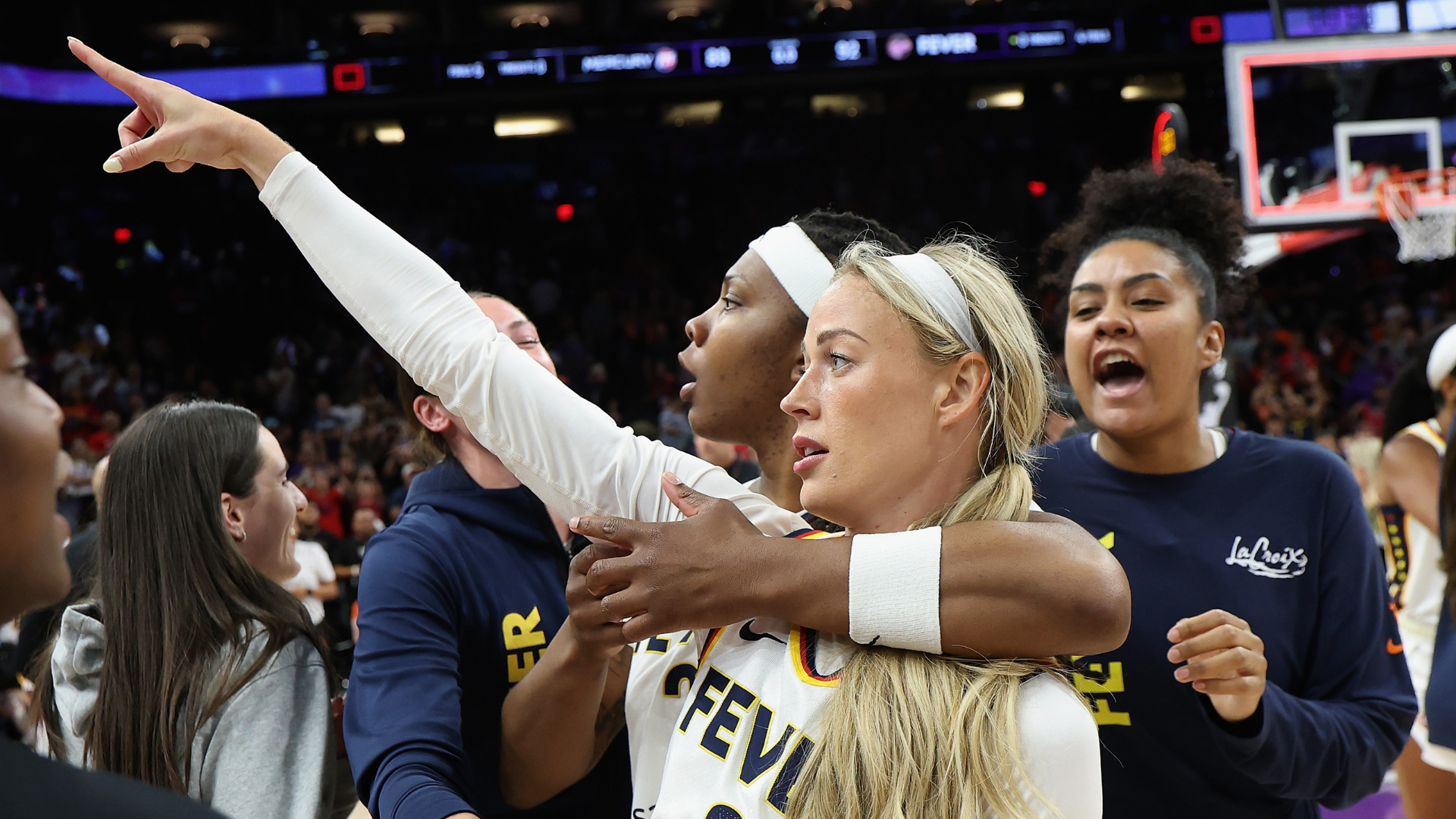
What began as an innocuous pointing gesture by Indiana Fever guard Sophie Cunningham has rapidly evolved into one of the most recognisable sports memes of the year, captivating audiences from basketball courts to social media feeds. However, this viral sensation has now hit a snag, with the Women's National Basketball Players Association (WNBPA) actively blocking licensees from commercialising the popular image, according to reports from CBS Sports NY.
Cunningham's emphatic point, often directed mid-game with an intense focus, has become a symbol of competitive spirit and a rallying cry for fans. Its organic rise to prominence has been swift, spawning countless memes, fan art, and unofficial merchandise across the internet. Yet, despite its widespread appeal and potential for profit, the WNBPA has drawn a firm line, asserting control over the commercial use of its members' likenesses.
The Point Heard Around the World
The trajectory of Cunningham's point from an on-court moment to a cultural touchstone has been remarkable. Initially, it was just another energetic display from a dedicated player. But as the Indiana Fever gained momentum, so too did the visibility of Cunningham's signature gesture. Fans quickly identified with her passion, transforming the image into a relatable and humorous meme that transcends basketball fandom. Its simplicity and versatility have been key to its viral spread, allowing it to be adapted to various contexts, from celebrating victories to expressing playful defiance. This organic, bottom-up adoption by the public often creates grey areas for intellectual property, especially when an athlete's image becomes public domain through widespread sharing.
WNBPA's Stance on Image Rights
The WNBPA's intervention is rooted in its robust approach to player image rights, a cornerstone of its collective bargaining efforts. The union argues that the commercialisation of players' likenesses – even through viral memes – must first go through official channels and benefit the players themselves. CBS Sports NY highlighted that the WNBPA is diligently monitoring the marketplace, sending cease-and-desist notices to entities attempting to profit from unlicensed merchandise featuring Cunningham's point. This proactive stance reflects a broader trend in professional sports unions to protect athletes from exploitation and ensure they receive fair compensation for the use of their personal brands.
Union representatives, who spoke generally on background, emphasised the importance of maintaining control over player imagery to prevent dilution of their brand and ensure that any financial gains are distributed equitably among members or directed towards union initiatives. The WNBPA's position is that while fans are free to create and share non-commercial content, any venture seeking to profit from a player's image, regardless of its origin, requires formal approval and licensing.
The Commercial Implications and Fan Reaction
The WNBPA's decision, while protecting player interests, has inevitably created a void in the licensed merchandise market. Fans eager to purchase official T-shirts, caps, or other memorabilia featuring Cunningham's iconic point are currently out of luck. This has led to a mixed reaction, with some fans understanding the union's need to protect player rights, while others express frustration at the lack of official products. The unofficial market, while targeted by the WNBPA, continues to thrive in some corners, posing challenges for enforcement.
For licensees who saw an immediate commercial opportunity in the meme, the WNBPA's block represents a significant hurdle. These companies, often nimble and reactive to pop culture trends, now face the prospect of a lengthy negotiation process or the impossibility of securing rights. The stand-off underscores the increasing value of athlete-generated content and the complexities of intellectual property in the digital age, where a single photograph or gesture can become worth hundreds of thousands, if not millions, of Australian dollars in potential merchandising revenue.
As the popularity of Sophie Cunningham's point shows no signs of waning, the dispute highlights the ongoing tension between organic fan culture and the structured commercial mechanisms of professional sports. The WNBA and its players continue to navigate this evolving landscape, seeking to empower athletes while simultaneously engaging with a highly engaged global fanbase.