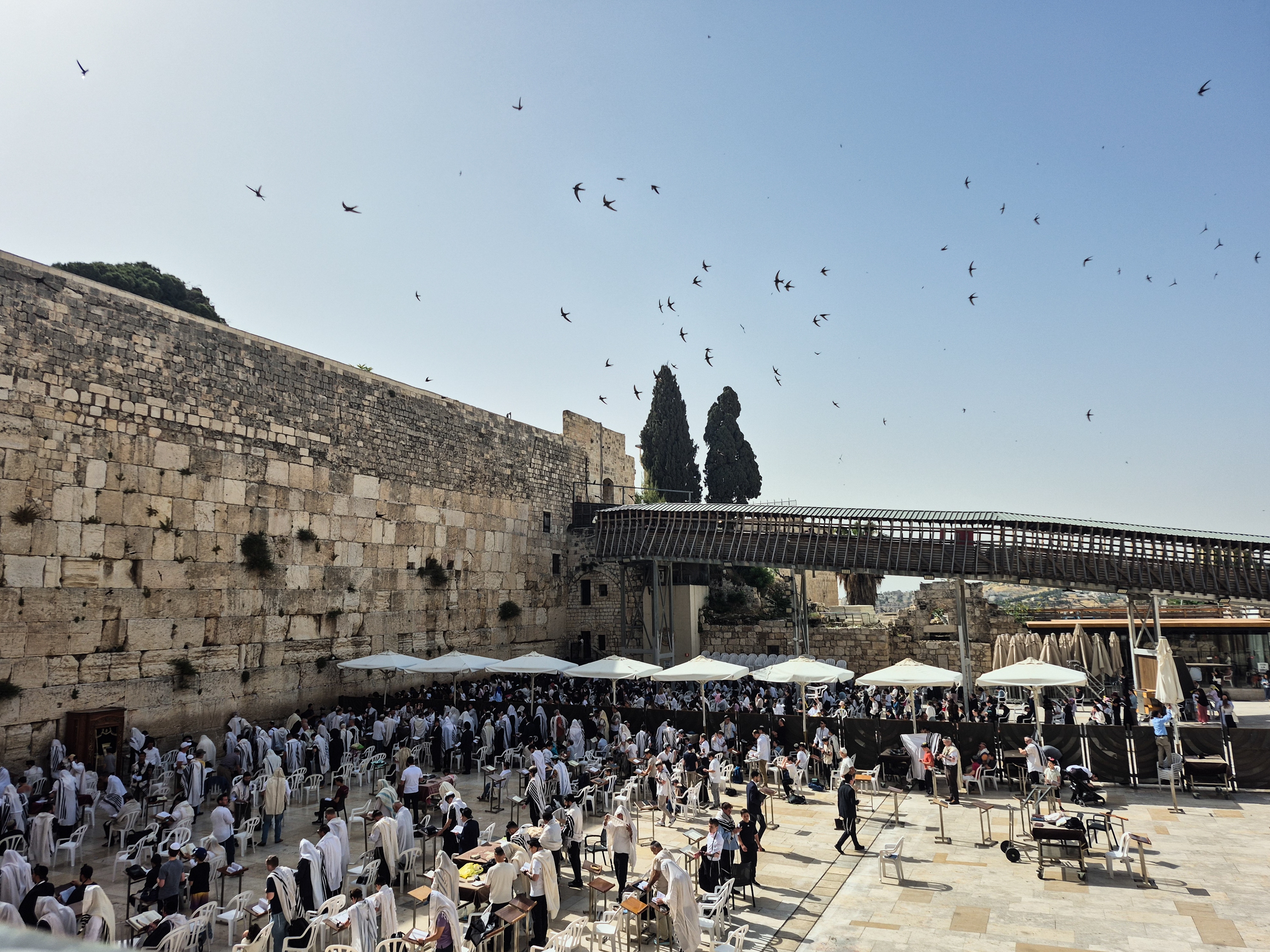
JERUSALEM, ISRAEL – High above the revered stones of the Western Wall, a sanctuary for prayer and history, a silent ecological drama is unfolding. A dedicated Israeli paraglider pilot is undertaking a remarkable aerial mission, flying dangerously close to the sacred site not for sport, but to preserve ancient feathered residents – the swifts that have called this biblical landmark home for thousands of years.
These agile, dark-feathered birds, known for their incredible aerial prowess and high-pitched screeches, have woven themselves into the very fabric of Jerusalem's historical tapestry. Their annual migration patterns, from Africa to the cooler climes of the Middle East and Europe, have seen them return to the Western Wall's crevices season after season, a testament to nature's enduring cycles against a backdrop of human history.
A Lifelong Fascination Takes Flight
The paraglider, whose identity has been kept anonymous for operational reasons, reportedly developed a deep fascination with the swifts after witnessing their graceful manoeuvres around the Old City. This personal connection, coupled with growing concerns over the birds' decreasing numbers attributable to urbanisation and habitat loss, spurred him to action. His unique skill set – the ability to navigate a paraglider with precision – has allowed him to access areas otherwise unreachable, offering a novel approach to wildlife conservation.
The initiative, though ambitious, is not without its risks. Flying a paraglider in close proximity to such a sensitive and historically significant site demands exceptional skill and coordination with local authorities. The pilot’s flights are conducted with careful planning, navigating updrafts and air currents to meticulously monitor nesting sites, assess chick survival rates, and even assist with the removal of foreign objects that could endanger the young birds or their parents.
Ancient Nests Under Modern Threat
For millennia, the swifts have found ideal nesting conditions within the nooks and crannies of the Western Wall. These natural crevices provide shelter from predators and the elements, serving as perfect nurseries for their young. However, the modern world presents new challenges. Urban sprawl encroaches on feeding grounds, while environmental changes and even pollution pose threats to these delicate creatures. NPR World reported that experts believe the swifts' population has seen a concerning decline in recent decades, making conservation efforts more critical than ever.
Conservationists argue that protecting these swifts is not merely about preserving a species; it is about maintaining an ecological balance within a heavily urbanised environment and safeguarding a living link to the past. The birds' presence at the Wall is a powerful symbol of continuity, connecting contemporary Jerusalem to its ancient origins.
Community Rallies Around Feathered Friends
The paraglider’s intrepid efforts have reportedly galvanised a small but dedicated group of local bird enthusiasts and conservationists. They assist in data collection, ground observation, and raising public awareness about the plight of the swifts. Educational campaigns are being planned to inform visitors and residents about the importance of these birds and how to minimise disturbance to their nesting sites. There's even talk of developing artificial nesting boxes that might be strategically placed in less intrusive areas around the Old City, offering supplementary habitats. The project, while grassroots, hopes to attract further funding, potentially including Australian dollar contributions from international animal welfare organisations, to expand its scope and ensure the long-term survival of the Western Wall swifts.