
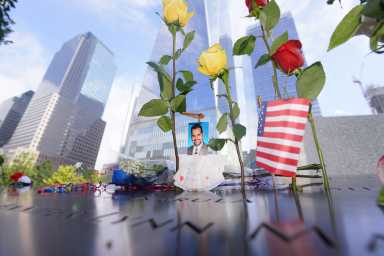
More than two decades after the devastating terror attacks of September 11, 2001, the long shadow cast by the tragedy continues to lengthen, with legal experts observing a grim shift in the nature of compensation claims. Estate lawyers in the United States are increasingly handling cases where survivors, who once battled 9/11-related illnesses, have now passed away, underscoring the enduring health crisis stemming from the attacks.
The Brooklyn Bar Association’s estate law committee recently convened a webinar to address this growing trend, acknowledging the solemn fact that an escalating proportion of applications to the 9/11 Victim Compensation Fund (VCF) are now death cases. This development comes as the cohort of survivors ages and the severe, often protracted, illnesses linked to toxic exposure at Ground Zero continue their relentless progression.
A Shifting Landscape of Loss
What began largely as claims for living individuals suffering from cancers, respiratory diseases, and other debilitating conditions has evolved significantly. Legal practitioners are now grappling with the complexities of posthumous claims, requiring intricate knowledge of estate law, beneficiary rights, and the specific criteria of the VCF. The shift reflects a painful reality for thousands of first responders, recovery workers, and downtown residents who were exposed to the catastrophic dust cloud.
According to amNewYork, the recent meeting highlighted that while the initial focus of the VCF was on supporting living survivors, the actuarial tables of life expectancy are now catching up with those exposed to the toxic aftermath. Many of these individuals have endured years, if not decades, of chronic health issues, with their conditions often worsening over time. The webinar aimed to equip estate lawyers with the specialised knowledge required to navigate these emotionally charged and legally complex cases, ensuring that the families of those who have passed receive the compensation they are entitled to.
The Lingering Health Crisis
The health repercussions of 9/11 have been well-documented, with a broad spectrum of diseases attributed to the toxic dust and debris. Respiratory ailments, digestive disorders, and at least 69 different types of cancer have been certified as linked to the attacks. For years, the focus has been on ensuring medical monitoring and treatment for survivors, alongside financial compensation for their suffering and lost earnings. However, the rising number of death claims signifies a new, heartbreaking phase in the 9/11 health crisis.
These posthumous claims often present unique challenges, such as proving the direct link between a deceased individual’s illness and their 9/11 exposure, especially when death may have occurred many years after the initial diagnosis. Lawyers must meticulously gather medical records, exposure histories, and navigate the bureaucratic hurdles of the VCF, all while supporting grieving families. The fund, which has awarded billions of US dollars in compensation, faces the ongoing task of processing these increasingly complex applications.
An Enduring Commitment to Justice
The necessity for such webinars underscores the enduring commitment within the legal community to support 9/11 victims and their families. While the initial shock and horror of September 11 have faded for many, for those directly affected, the tragedy continues to unfold in their lives and the lives of their loved ones. The increasing prevalence of death claims serves as a stark reminder that the human cost of the attacks is far from fully accounted for.
For Australian readers, while geographically distant, the ongoing struggle of 9/11 survivors and their families resonates as a testament to the long-term, devastating consequences of terrorism. The legal community’s adaptation to this evolving challenge ensures that justice, in the form of compensation and recognition, remains accessible to those who continue to bear the heaviest burden of that fateful day.


