
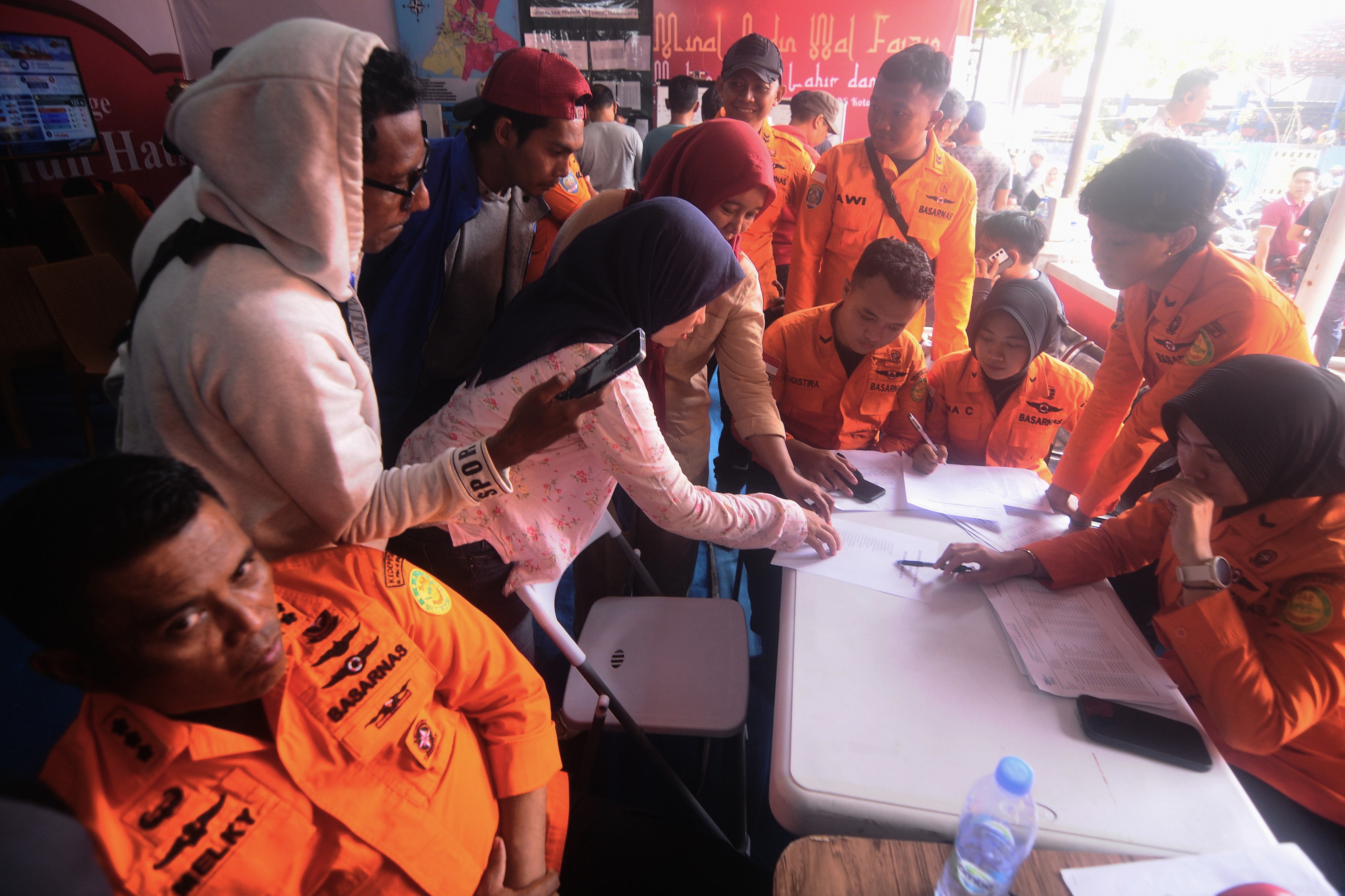
Indonesian authorities are racing against time in a massive search and rescue operation following the capsizing of a passenger ferry in the Java Sea on Sunday. At least 129 people are officially listed as missing after the vessel, reportedly carrying more than 240 passengers and crew, succumbed to severe weather conditions.
The incident, first reported by NPR World, has triggered an urgent response from Indonesia’s National Search and Rescue Agency (BASARNAS), with teams scouring a wide area for survivors. Hope is dwindling for those still unaccounted for, as maritime incidents in the archipelago nation are often compounded by unpredictable seas and rapid-onset storms.
Dramatic Rescue Efforts Underway
Initial reports indicate that the ill-fated ferry, whose name has not yet been widely released, encountered a sudden and violent storm while traversing a regular route in the Java Sea. Witnesses and early survivors described a chaotic scene as the vessel was buffeted by high waves and strong winds, eventually listing severely before capsizing. The exact moment of the capsize and the full sequence of events leading to the disaster are still under investigation.
Rescue teams, comprising naval vessels, local fishing boats, and civilian craft, have been deployed from multiple coastal points. Over 100 individuals have reportedly been pulled from the water, many suffering from hypothermia and injuries. These survivors are being transported to nearby hospitals for urgent medical attention. However, the sheer number of missing persons casts a grim shadow over the ongoing efforts, with fears that many may have been trapped within the submerged hull or swept away by powerful currents.
Perilous Waters and Overloaded Vessels
Indonesia, an archipelago of more than 17,000 islands, relies heavily on ferry transport to connect its vast population. However, the industry is frequently plagued by safety concerns, including lax enforcement of regulations, overcrowding, and insufficient maintenance of vessels. The Java Sea, while a vital maritime artery, is also known for its unpredictable weather patterns, particularly during certain seasons.
This latest tragedy rekindles painful memories of past maritime disasters in the region, which have collectively claimed thousands of lives over the years. Observers note that despite ongoing efforts to improve safety standards, the economic pressures to carry more passengers and cargo often override strict adherence to safety protocols, especially on smaller, privately operated routes. Questions are already being raised about the vessel's manifest, its seaworthiness, and whether it was carrying more people than its registered capacity.
Impact on Families and Regional Shipping
The capsizing has sent shockwaves through the local communities served by the ferry route. Families of the missing have gathered at ports and emergency centres, desperately seeking information about their loved ones. The emotional toll of such events is immense, with communities often relying on word-of-mouth and fragmented reports in the initial hours.
The incident is also likely to prompt a renewed focus on maritime safety inspections and enforcement across the Indonesian archipelago. While rescue efforts remain the immediate priority, authorities will face intense scrutiny over the coming days regarding the circumstances that led to this catastrophic loss of life. Australian authorities, through their embassy in Jakarta, are monitoring the situation, though there have been no immediate reports of Australian citizens being involved.


