
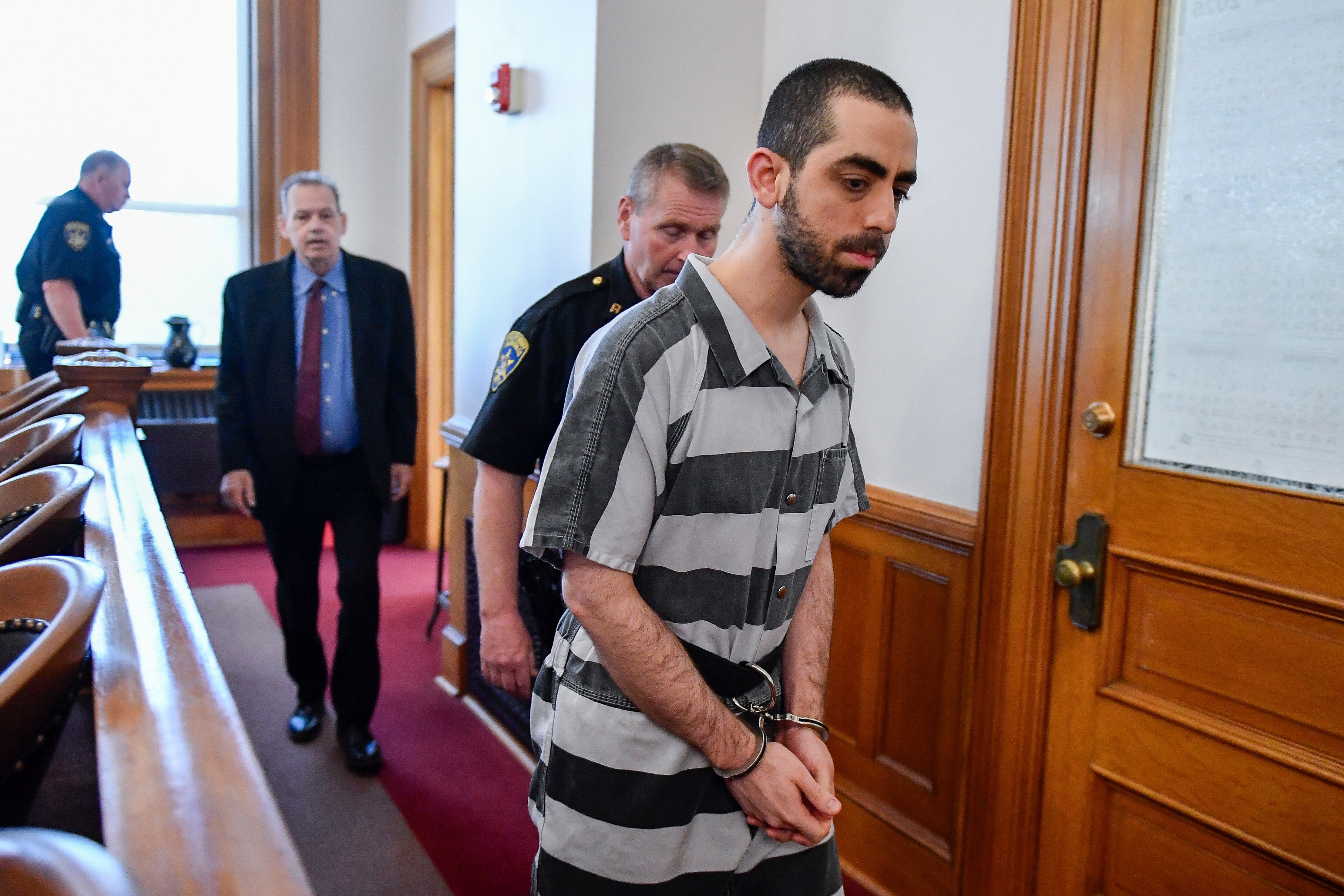
A US court has delivered a guilty verdict against the man responsible for the brutal 2022 stabbing of Booker Prize-winning author Salman Rushdie, convicting him on federal terrorism charges. The decision marks a significant development in a case that reignited global concern over free speech and the long shadow cast by a 35-year-old fatwa.
Rushdie, 76, who lost sight in one eye and sustained severe injuries in the attack, has lived under an effective death sentence since the 1989 publication of his novel The Satanic Verses. The book, deemed blasphemous by some Islamic clerics, prompted Iran's then-supreme leader, Ayatollah Ruhollah Khomeini, to issue a fatwa calling for Rushdie's death. This shocking literary incident quickly became a flashpoint in the broader debate about religious fundamentalism and artistic freedom.
The Unfolding of a Calculated Attack
The August 2022 assault occurred as Rushdie was about to deliver a lecture at the Chautauqua Institution in upstate New York. Reports from the time described a frenzied attack, with the assailant rushing the stage and repeatedly stabbing the author. The swift conviction on terrorism charges underscores the premeditated and ideologically driven nature of the crime.
NPR National reported details of the trial, which highlighted the attacker's alleged admiration for the Iranian cleric who issued the original fatwa. This connection firmly links the 2022 violence to the decades-old directive, demonstrating the enduring and deadly consequences of such edicts. The prosecution successfully argued that the attack was not merely a random act of violence but a deliberate attempt to enforce the fatwa, classifying it as an act of terrorism under US law.
A Global Outpouring of Support and Solidarity
News of the stabbing sent shockwaves across the literary world and beyond, prompting widespread condemnation from figures as diverse as heads of state and human rights organisations. Australian authors and literary bodies were quick to express their horror and offer solidarity to Rushdie, recognising the attack as an assault on fundamental democratic values. Many prominent voices observed that the incident served as a chilling reminder of the constant vigilance required to protect freedom of expression, particularly for artists and writers who challenge orthodoxies.
The initial reaction focused on Rushdie's survival and the hope for his recovery, followed by a renewed discussion on the dangers faced by those whose work is deemed controversial in certain quarters. The author himself, despite his profound injuries, has shown remarkable resilience, continuing to advocate for free speech and recently releasing a new novel, Knife: Meditations After an Attempted Murder, which directly addresses the attack.
The Lingering Shadow of The Satanic Verses
For more than three decades, Rushdie has lived with the constant threat of violence, moving between safe houses and often requiring round-the-clock security. The fatwa against him led to book burnings, protests, and even the murders of translators and publishers associated with The Satanic Verses. The conviction of his attacker, while a significant legal victory, does not erase the trauma or the ongoing security concerns for Rushdie and others who face similar threats.
The case has reignited an important dialogue about the responsibility of states and international bodies to protect individuals targeted by religious or ideologically motivated death threats. While the Iranian government officially distanced itself from the fatwa in 1998, NPR National noted that hardline elements within the country have continued to endorse it, and bounties for Rushdie's death, estimated to be in the millions of Australian dollars, have remained in place. This legal outcome, therefore, serves not only as a verdict against an individual but as a potent message against extremism that seeks to silence critical or controversial voices through violence.


