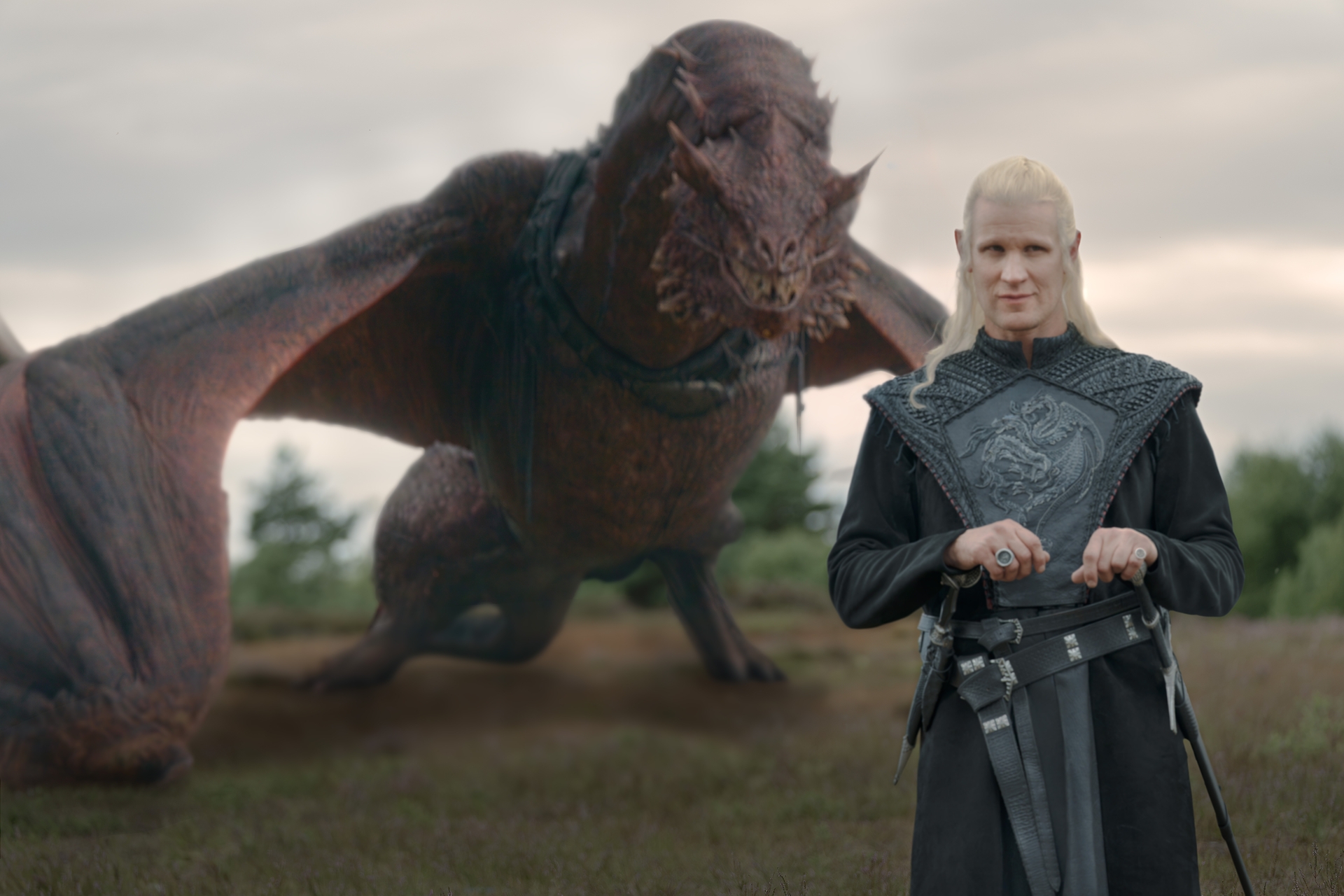
Fans of HBO’s epic fantasy series, House of the Dragon, were treated to a fresh serving of political intrigue and medieval mischief this week, as the third episode of its sophomore season aired. The prequel to the global phenomenon Game of Thrones continues to delve into the Targaryen civil war, known as the Dance of the Dragons, showcasing the escalating tensions between the ‘Blacks’ (loyal to Princess Rhaenyra) and the ‘Greens’ (supporting King Aegon II, Queen Alicent’s son).
NPR Arts, a noted US cultural observer, highlighted two particularly striking developments from the episode: Princess Rhaenyra Targaryen’s unconventional banquet choices and the Greens’ audacious deployment of a decoy, further muddying the already murky waters of succession.
A Feast Most Foul: Rhaenyra's Rodent Repast
The episode opens on Dragonstone, the ancestral seat of House Targaryen, where Princess Rhaenyra is struggling to rally support for her claim to the Iron Throne. In a move that has left viewers both aghast and amused, Rhaenyra, perhaps in a bid to prove her resilience or to make a darkly symbolic statement about the war’s toll, served her assembled nobles a dish of grilled rat. NPR Arts reported that this culinary choice was a defining moment, illustrating the lengths to which Rhaenyra might go – or perhaps the dire straits her faction finds itself in – to cement her authority. While the historical accuracy of such a royal meal is debatable, its thematic impact was undeniable, unsettling her court and viewers alike. It’s a far cry from the opulent feasts typically associated with royalty in Westeros, suggesting a grim foreshadowing of the sacrifices yet to come.
The Green Gambit: A Decoy's Deception
Meanwhile, in King’s Landing, the Greens continued to demonstrate their cunning and ruthlessness. The latest episode saw the faction, led by Queen Alicent and her father Otto Hightower, orchestrate a sophisticated deception involving a decoy. This strategic manoeuvre, intended to mislead and destabilise the Blacks, underscores the high-stakes nature of the conflict. While specific details of the decoy’s identity and purpose were kept under wraps to avoid spoilers, NPR Arts emphasised its significance as a testament to the Greens’ willingness to employ elaborate ruses to gain an advantage. This tactical play not only enhances the drama but also reinforces the sense that no trick is too elaborate, and no sacrifice too great, in the pursuit of the Iron Throne. Such ploys are a signature of the Game of Thrones universe, where intelligence and deception often prove as potent as dragonfire.
Wig Worries and Royal Burdens
The NPR Arts headline itself — “Heavy hangs the head that wears the wig” — humorously alludes to the iconic platinum blonde wigs worn by the Targaryen family, while subtly hinting at the immense pressures faced by the characters. This playful nod to the show’s distinctive aesthetic belies the profound burdens of leadership and the constant threat of betrayal that define the world of Westeros. Both Rhaenyra and Alicent, despite their differing tactics and allegiances, are depicted as women under immense strain, grappling with the weight of their decisions and the colossal consequences for their families and the realm. The visual motif of the wig becomes a metaphor for the crown itself – a heavy, often uncomfortable, symbol of power and peril.
Escalating Tensions Down Under
Australian audiences, who have eagerly followed the series since its debut, are undoubtedly dissecting every plot twist and character development. With each episode, the Dance of the Dragons grows more complex, and allegiances are tested under the relentless pressure of civil war. The contrast between Rhaenyra’s raw, almost desperate display of power and the Greens’ calculated machinations suggests a deepening chasm between the two factions. As the season progresses, the stakes are only set to climb higher, promising more dragon battles, political manoeuvring, and perhaps, more unexpected menu items for Westerosi nobles.