
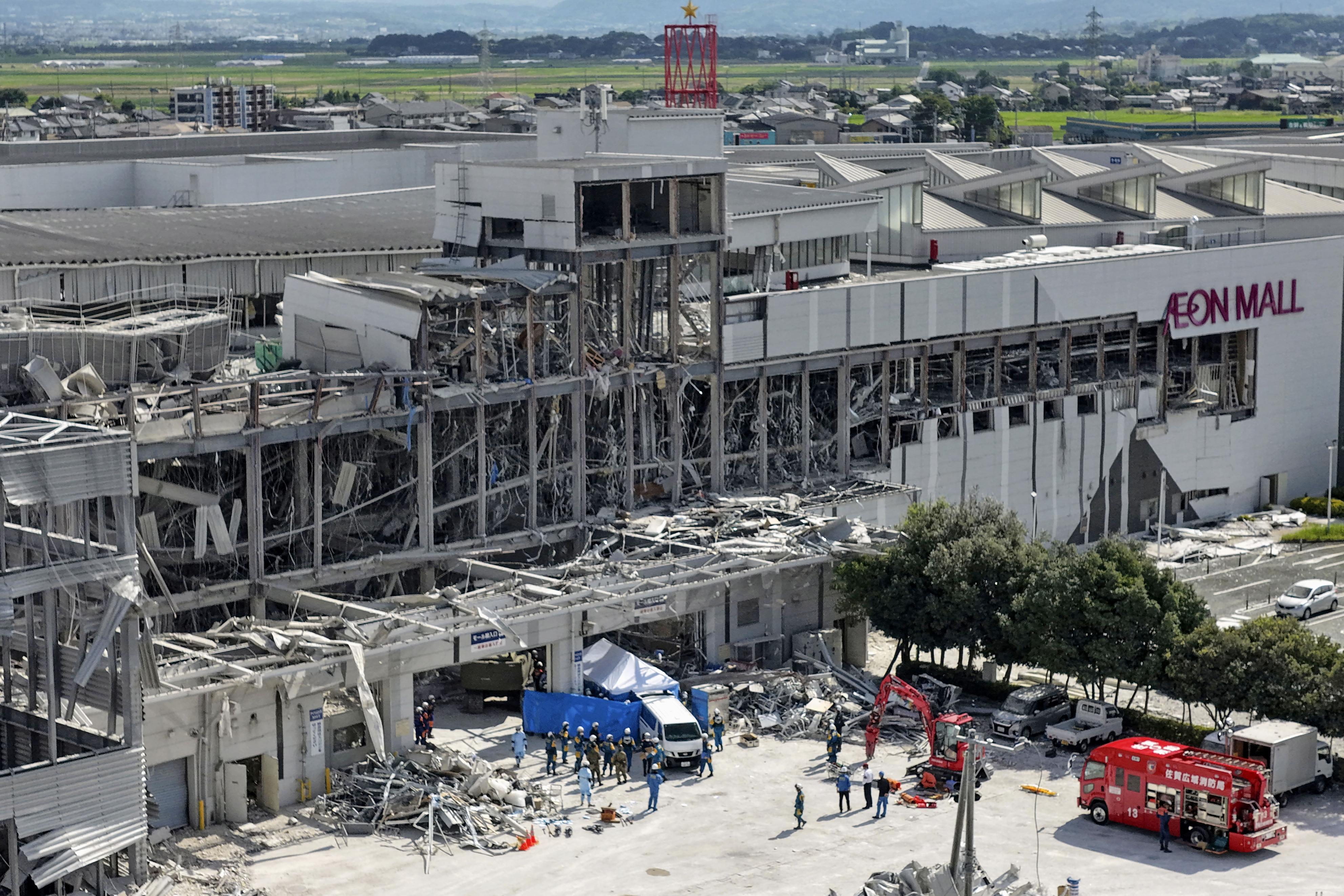
Rescuers in Japan's Kumamoto prefecture are battling against the clock and increasingly treacherous conditions, as the grim reality of a rising death toll casts a pall over efforts to locate survivors from Tuesday's powerful earthquake. With each passing hour, the prospect of finding anyone alive beneath the rubble on the southern main island of Kyushu dwindles.
The magnitude 7.1 tremor, which struck the region, has triggered widespread destruction, collapsing homes, severing infrastructure, and unleashing landslides that have further complicated access for emergency services. The confirmed number of fatalities has now reached 23, with authorities warning that this figure is expected to rise as search operations continue in the hardest-hit areas.
Aftershocks and Unstable Terrain Challenge Teams
Emergency crews, including specialist search and rescue units, are facing an arduous task. The region has been plagued by a series of significant aftershocks, some registering above magnitude 5.0, creating an extremely unstable environment. Buildings already compromised by the initial quake are at risk of further collapse, and large swathes of land remain perilous due to landslides and fractured earth.
NPR World reported on the desperate race against time, highlighting the immense pressure on responders as they navigate precarious ground and debris fields. Roads have been blocked in various locations, isolating communities and making it difficult to deliver aid and reinforcement personnel. Rescue workers, equipped with sniffer dogs and heavy machinery, are meticulously sifting through collapsed structures, their efforts punctuated by the constant threat of further seismic activity.
Infrastructure Devastation and Growing Displacement
The earthquake's impact extends far beyond immediate casualties. Thousands of homes have been damaged or destroyed, leaving a large population displaced. Temporary shelters are struggling to cope with the influx of residents who have lost everything, with many opting to sleep in their cars or out in the open, fearing further building collapses.
Essential services, including water and electricity, remain severely disrupted in many parts of Kumamoto, exacerbating the humanitarian crisis. Hospitals are overwhelmed with injuries, and the long-term recovery effort is anticipated to be extensive and costly. The economic fallout for the region, known for its agriculture and electronics manufacturing, is also expected to be substantial.
International Concern and Australian Readiness
The catastrophe has drawn international attention, with condolences and offers of assistance pouring in from around the globe. While Australia has not yet formally committed immediate aid, emergency response organisations are on standby, monitoring the situation closely and preparing for potential deployment should the Japanese government request international support.
The Australian Department of Foreign Affairs and Trade (DFAT) has issued travel advice for the affected region, urging Australians in or planning to travel to Kumamoto to exercise extreme caution and follow local authority instructions. Any Australians requiring consular assistance are encouraged to contact the Australian Embassy in Tokyo. The sheer scale of the disaster underscores the ongoing vulnerability of even highly prepared nations to the brute force of natural phenomena, serving as a stark reminder of the unpredictable geological forces at play in the Pacific Ring of Fire.