
A devastating series of earthquakes has rocked Japan's Kumamoto prefecture, claiming at least 34 lives and leaving a trail of destruction in its wake. Emergency services are in a desperate race against time, sifting through collapsed buildings and rubble in a tireless search for survivors.
Two powerful tremors, registering magnitudes of 6.2 and 7.0, struck the region within 24 hours, toppling homes, triggering landslides, and causing widespread damage to infrastructure. The latest figures were released as daylight broke over a scene of heartbreak and devastation, particularly in the Kumamoto area where some of the most serious damage has been recorded.
Search Intensifies at Collapsed Mall
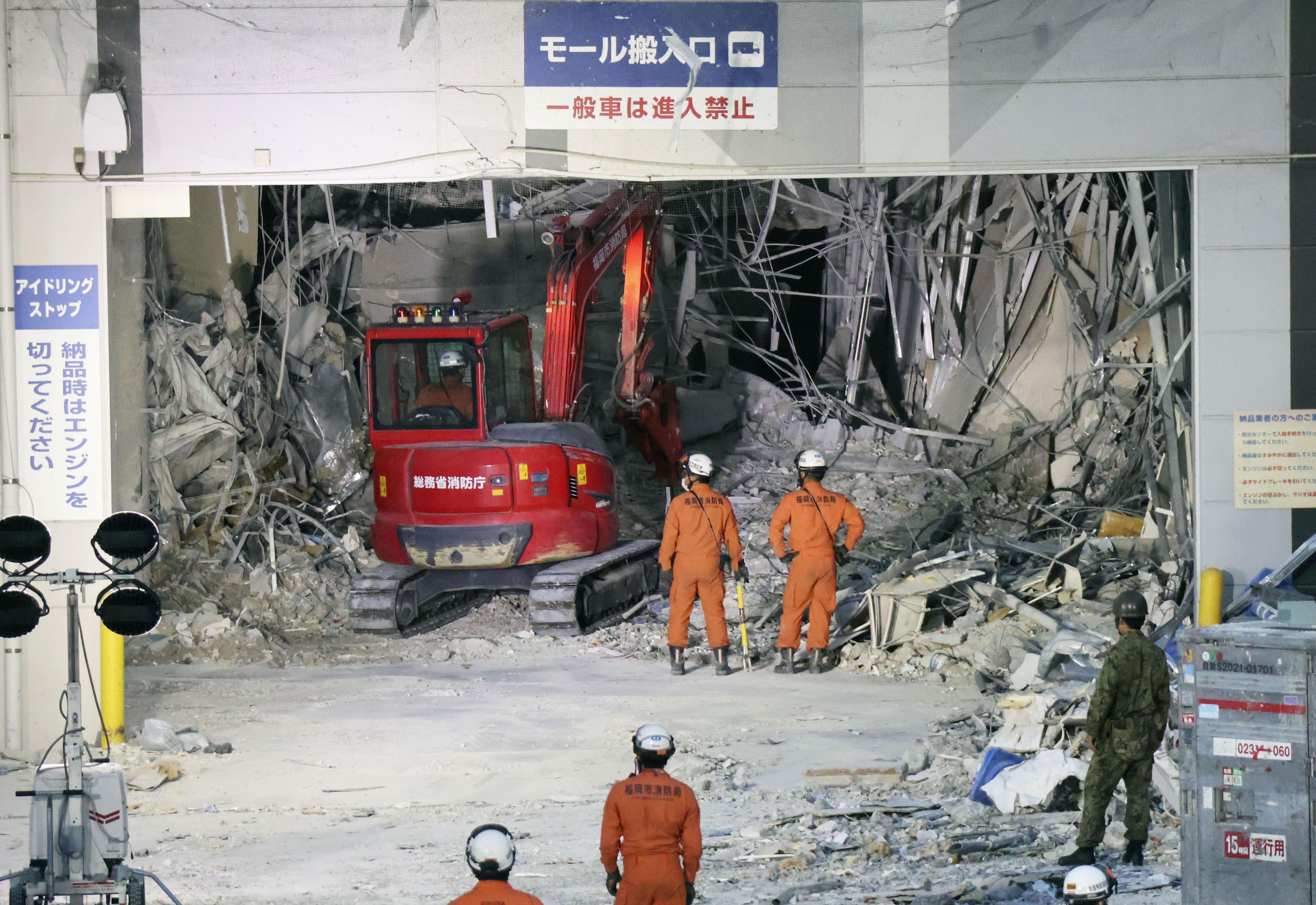
Among the most urgent rescue operations is the site of a collapsed shopping mall, where search teams are meticulously working through the mangled remnants. The catastrophic failure of the multi-storey structure has become a grim symbol of the quakes' destructive power, and authorities hold grave fears for anyone trapped within its confines. The area has been cordoned off, with emergency vehicles and personnel swarming the site, their efforts illuminated by powerful portable lights throughout the night.
NPR World reported on the ongoing efforts, highlighting the sheer scale of the challenge facing first responders. Rescue workers, comprising police, fire services, and military personnel, are utilising specialised equipment, including sniffer dogs and thermal imaging cameras, in their methodical search for signs of life. Every crevice and void is being meticulously checked, with hopes fading but resolve unwavering.
Infrastructure Crumbles, Leaving Communities Isolated
The dual quakes have not only devastated buildings but have also severely crippled the region's infrastructure. Bridges have buckled, roads have cracked open, and vital lifelines have been severed, isolating numerous communities. Landslides, a common occurrence after powerful seismic activity in mountainous regions, have further exacerbated the situation, blocking access to affected areas and complicating relief efforts.
Engineers are on site assessing the damage to essential services, including power grids and water supplies, which have been severely disrupted across the prefecture. The lack of clean water and electricity is posing significant challenges for both disaster-affected residents and rescue teams, who are operating under increasingly difficult conditions. Temporary shelters are being established, offering some respite for those who have lost their homes, but resources are stretched to their limit.
Lingering Threat of Further Seismic Activity
The people of Kumamoto remain on edge, with meteorologists and seismologists warning of the continued threat of aftershocks. The ground has been relentlessly shaking since the initial tremors, causing further instability to already damaged structures and posing an ongoing risk to rescuers and residents alike. Local authorities have issued strict warnings, urging residents to remain vigilant and to follow evacuation orders.
The Japanese government has mobilised extensive resources, deploying thousands of troops to assist with rescue and relief operations. Prime Minister Fumio Kishida has vowed to do everything possible to aid the victims and to reconstruct the affected areas. Donations from the public, both domestically and internationally, are already pouring in, demonstrating a global outpouring of sympathy and support for the victims of this devastating natural disaster.

