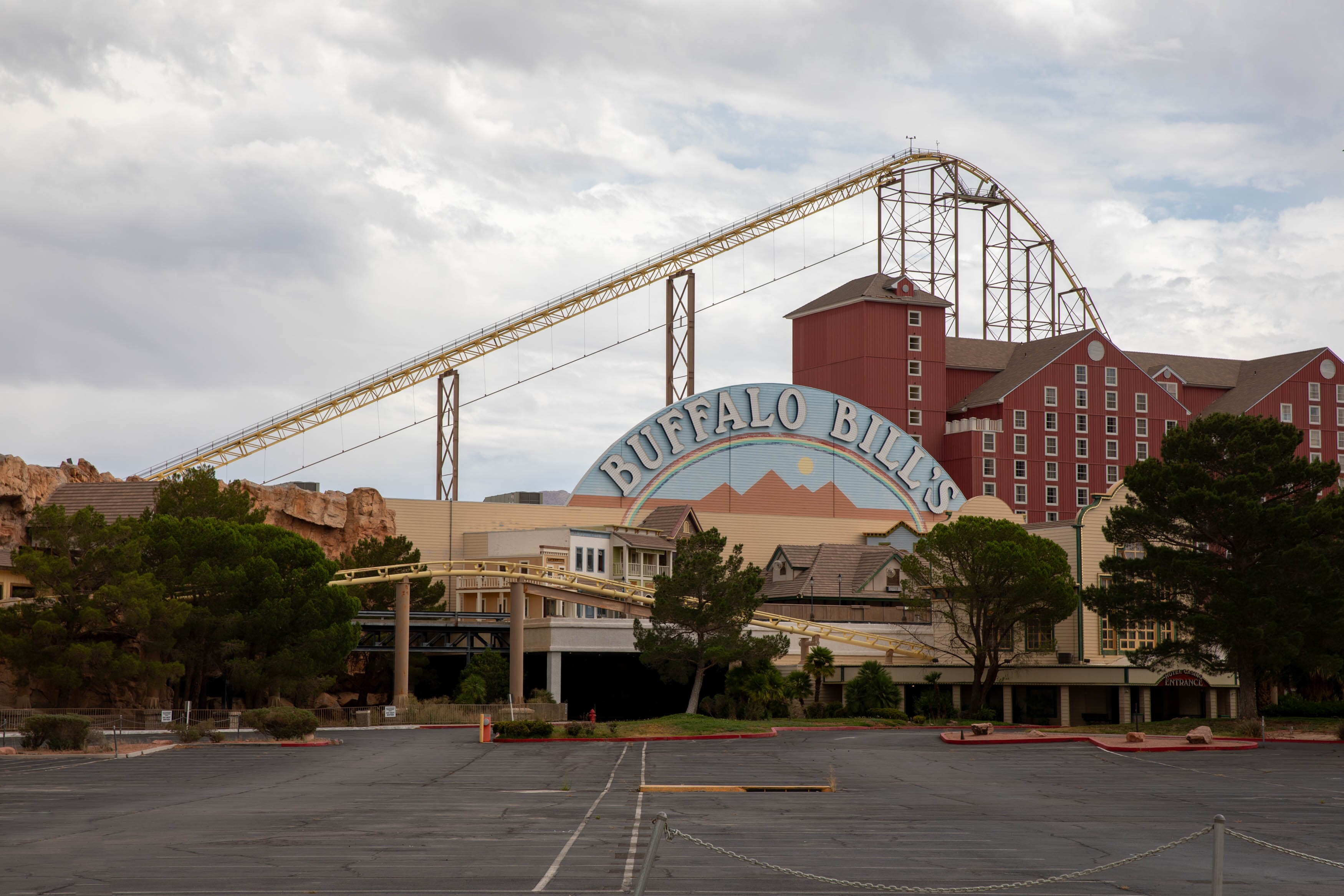
PRIMM, NEVADA — For decades, Primm, Nevada, was more than just a dot on the map; it was an essential pit stop for millions of Australians and other international tourists making the pilgrimage from Southern California to the bright lights of Las Vegas. But the glitter has faded, and as COVID-19 delivered a brutal blow to an already struggling economy, this unique border town teetered on the precipice of becoming another desert ghost story.
The High Stakes of Decline
NPR National recently reported on the town's plight, painting a stark picture of a once-vibrant resort community facing an existential crisis. Located just 60 kilometres south of Las Vegas on Interstate 15, Primm’s strategic position made it a popular spot for travellers to refuel, grab a meal, and try their luck at its trifecta of casinos: Buffalo Bill's, Whiskey Pete's, and the Primm Valley Resort. These establishments, owned by Affinity Gaming, were the lifeblood of a town that exists solely to serve visitors.
However, shifting travel patterns, increased competition, and the economic aftershocks of the pandemic saw visitor numbers dwindle. Marquee attractions, such as Buffalo Bill's iconic roller coaster, often sat idle. The town's retail outlets struggled, and a general air of neglect began to settle over what was once a bustling interchange. Local businesses, heavily reliant on the steady stream of tourists, found themselves staring down an uncertain future, with some speculating it would be cheaper to simply abandon the infrastructure than attempt a revival.
A Family's Bet on Legacy
Enter the Primm family. Not just the namesake, but the descendants of Gary Primm, the visionary who first developed the town in the 1990s from a barren desert into a thriving entertainment hub. When news of the town's dire straits reached them, the family, now represented by entities like The Primm Companies, recognised an opportunity – and perhaps a responsibility – to intervene. They purchased the three beleaguered casinos from Affinity Gaming in 2022 for an undisclosed sum, a move that sent ripples of hope through the small community.
This isn't merely an investment; it's a deeply personal mission. The family understands the intricate mechanics of what made Primm successful in its heyday and believes they can replicate that magic. Their strategy is multifaceted, focusing on revitalising the existing infrastructure while introducing new attractions designed to draw a contemporary crowd. This includes significant renovations to the hotel rooms, casino floors, and dining establishments, aiming to modernise the experience and bring it up to par with more recent developments in Las Vegas and beyond.
Revitalising a Desert Dream
Among the ambitious plans, as detailed by NPR National, is the re-imagination of Buffalo Bill's casino resort. Once famous for its log flume ride and live entertainment, the family intends to inject new life into these features while also exploring partnerships that could bring fresh entertainment options to the venue. There's also talk of leveraging Primm's vast desert surroundings for outdoor adventure tourism, an increasingly popular niche that could attract visitors seeking experiences beyond the traditional casino floor.
The challenge, however, remains colossal. The Australian dollar's strength against the US dollar has historically made American travel appealing, but post-pandemic economic shifts mean every dollar spent in Primm needs to deliver value. The Primm family faces the daunting task of not only attracting new clientele but also convincing previous patrons that the town is worth revisiting. It will require substantial capital expenditure, shrewd marketing, and a deep understanding of the evolving tourism landscape. Industry analysts estimate the investment required to truly turn the tide could run into the tens of millions of Australian dollars, a significant gamble on a town many had written off.
The Road Ahead
For the residents and employees of Primm, the family's intervention is a beacon of hope. The potential for job creation, economic stability, and a revived sense of community is palpable. The success of this venture could serve as a powerful case study for other struggling small towns reliant on tourism. However, the path to revival is fraught with peril. The Primm family will need to navigate intense competition from mega-resorts a short drive north, changing consumer habits, and ongoing economic uncertainties. Only time will tell if their bet on legacy and rejuvenation can pay off, transforming a dying desert outpost back into a vibrant gateway to the American dream.