
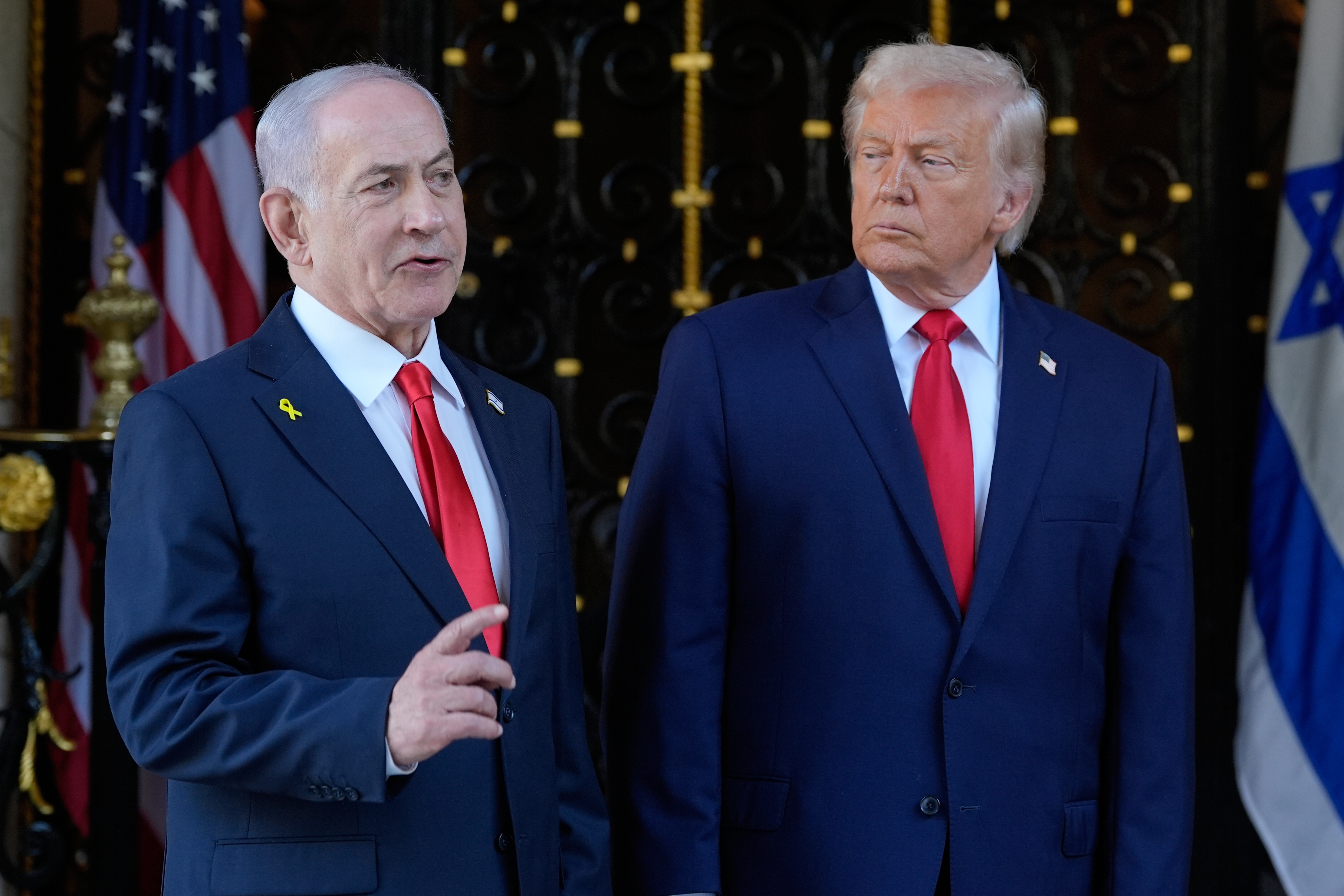
Washington D.C. — In a high-stakes encounter fraught with geopolitical tension and personal political peril, Israeli Prime Minister Benjamin Netanyahu is slated for urgent talks with US President Donald Trump. The meeting marks their first face-to-face discussion since the eruption of the Iran hostilities, a conflict that has sent shockwaves through global markets and significantly complicated the political landscape for both leaders.
The highly anticipated summit comes at a critical juncture. President Trump is under considerable pressure at home to de-escalate an increasingly unpopular war in the Middle East, which has seen fierce condemnation from opposition parties and a significant portion of the American public. Similarly, Prime Minister Netanyahu faces a looming re-election battle, with his political fortunes increasingly tied to his handling of regional security and, crucially, his often-strained relationship with the Trump administration.
Shifting Sands in the US-Israel Alliance
The relationship between Washington and Jerusalem, typically a cornerstone of US foreign policy, has seen unprecedented volatility under the current administrations. While both leaders have often presented a united front, particularly on issues concerning Iran, underlying tensions have long simmered. NPR World reported that Netanyahu, once considered a close confidant and strategic ally of President Trump, has seen his standing with the American President diminish in recent months, a factor that has not gone unnoticed by Israeli voters.
Political analysts in Tel Aviv suggest that public perception of this deteriorating relationship could be a significant determinant in the upcoming Israeli elections. Voters are keenly aware of the importance of robust US backing, particularly in the current volatile security environment. A perceived weakening of this crucial alliance could sway undecided voters, potentially costing Netanyahu his premiership.
Trump's Quagmire: An Unpopular War
For President Trump, the Iran situation has morphed into a significant domestic liability. The conflict, which began with a series of tit-for-tat attacks following the alleged targeting of US assets, has escalated far beyond initial expectations. The financial cost, running into billions of US dollars, and the human toll have sparked widespread protests across the United States. Opinion polls indicate a sharp decline in public support for the military intervention, placing immense pressure on the President to find a diplomatic off-ramp.
The Democratic opposition has seized on the war as a key campaign issue, frequently highlighting the economic burden on American taxpayers — potentially diverting funds from crucial domestic programs. Furthermore, the war has drawn criticism from several Republican figures, indicating a growing bipartisan desire for an end to the conflict. The meeting with Netanyahu offers Trump an opportunity to demonstrate leadership and potentially outline a path towards de-escalation, a move that could bolster his approval ratings ahead of his own re-election bid.
Regional Instability and Economic Fallout
Beyond domestic politics, the discussions will inevitably focus on the broader implications of the Iran conflict for regional stability. The direct confrontation has not only destabilised the Middle East but has also sent shockwaves through global oil markets, with crude prices experiencing significant volatility. Australian motorists have felt the pinch at the pump, with petrol prices surging across major cities and regional centres.
For Australia, a stable Middle East is crucial for both energy security and trade routes. The ongoing conflict has sparked concerns among Australian policymakers regarding disruptions to shipping lanes and the broader economic impact on global supply chains. Canberra will be closely monitoring the outcomes of this meeting, hopeful for any indications that might lead to a peaceful resolution and a return to regional stability.
