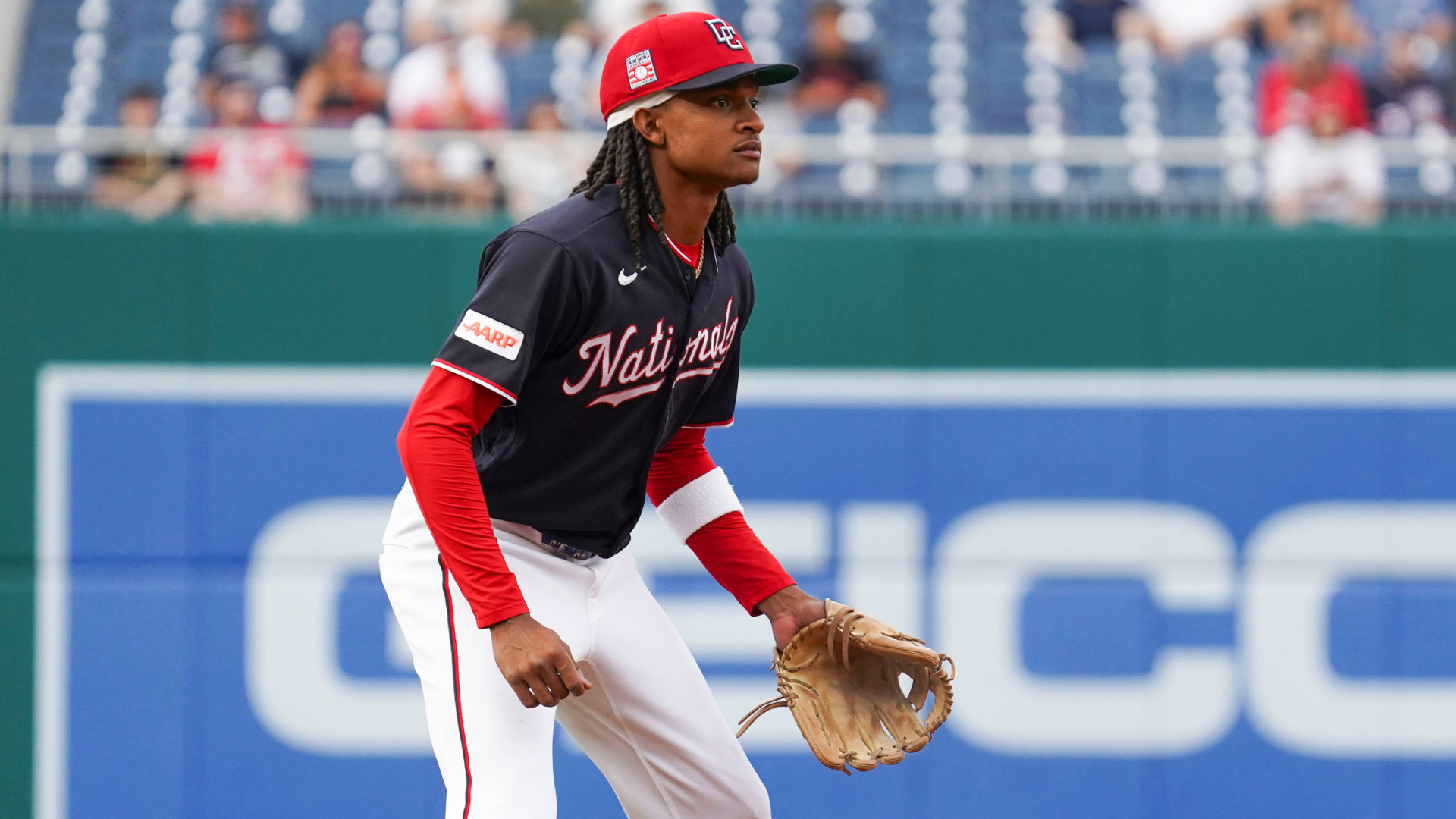
Major League Baseball's trade deadline, slated for August 3 (US time), is shaping up to be a fascinating spectacle, with several teams navigating complex strategies that could reshape their seasons. Front and centre of the rumour mill are the Washington Nationals, who, according to reports from CBS Sports NY, are contemplating a perplexing 'buy and sell' approach, a move that could see them both acquire and offload talent in a single window.
This unusual strategy underscores the Nationals' current predicament, teetering between a rebuilding phase and a desire to remain competitive. While they possess promising young talent, their overall performance this season has been inconsistent. Buying could bolster immediate weaknesses for a late-season charge, particularly in a competitive National League East, while selling key veterans could replenish their farm system with prospects, ensuring long-term sustainability. It’s a high-stakes gamble, and general manager Mike Rizzo will be under immense pressure to thread this financial and strategic needle, especially given the significant salary cap implications and the potential impact on fan morale. Each acquisition or divestment comes with a price tag, often in the millions of Australian dollars, affecting future payrolls and the organisation's overall financial health.
Soto's Setback Sends Shivers Through Mets' Camp
Across the division, the New York Mets are grappling with their own set of anxieties, largely centred around the health of superstar outfielder Juan Soto. Soto, a generational talent with an elite bat and on-base prowess, recently sustained an injury that has thrown a spanner into the Mets' deadline plans. CBS Sports NY reported that the severity and duration of Soto's absence could dramatically alter the Mets' approach. Prior to his injury, New York was widely expected to be aggressive buyers, fortifying their roster for a deep postseason run.
A prolonged absence for Soto could force the Mets to re-evaluate their targets, potentially shifting from acquiring offensive firepower to perhaps pitching depth to compensate for a potentially diminished lineup. The financial implications are massive; Soto's contract is substantial, and any extended period on the sidelines would be a significant blow, not just to their on-field performance but also to their financial outlay versus output. The value of potential trade assets also heavily depends on the perception of the Mets as a legitimate World Series contender, a status that could be undermined by Soto's absence.
Giants Join the Fray for Postseason Push
The National League West is also a hotbed of activity, with the San Francisco Giants emerging as clear contenders in the race for crucial wildcard spots. Having defied expectations for much of the season, the Giants are reportedly looking to strengthen their roster for a sustained push into the postseason. Their pragmatic approach to team building, focusing on value and strategic depth, has served them well, and the trade deadline offers an opportunity to acquire complementary pieces without mortgaging their future.
Their needs are likely to include relief pitching and perhaps a versatile infielder to provide cover and boost offensive production. Historically, the Giants have been shrewd operators at the deadline, often making impactful, if not blockbuster, moves. Their spending power, bolstered by strong revenues, allows them flexibility, but they typically avoid exorbitant expenditures unless a player perfectly fits their specific requirements and long-term vision. Australian baseball fans will be keen to see if any local talent could potentially be involved in these cross-Pacific transactions, though such moves are rare for high-profile deadline deals.
Dodgers' Calculated Acquisitions
Meanwhile, the Los Angeles Dodgers, perennial contenders, are – as usual – expected to make targeted acquisitions to bolster what is already one of MLB's deepest rosters. Their strategy is often less about addressing glaring holes and more about adding premium talent to maintain their dominance and provide insurance against injuries or performance dips. Pitching, both starting and relief, is always a priority for the Dodgers, as is a versatile position player who can contribute defensively and offensively.
The Dodgers' deep pockets and extensive farm system give them unparalleled flexibility in the trade market, allowing them to absorb significant contracts and offer attractive prospects. Their moves, while often calculated and precise, frequently send ripples throughout the league, impacting the strategies of other clubs. For instance, if the Dodgers acquire a top-tier pitcher, it might force other National League contenders to re-evaluate their own needs and potential targets, knowing the bar for postseason success has just been raised. The sheer volume of money involved in such transactions, often tens of millions of dollars, underscores the high-stakes nature of the MLB trade deadline for teams vying for championship glory.