
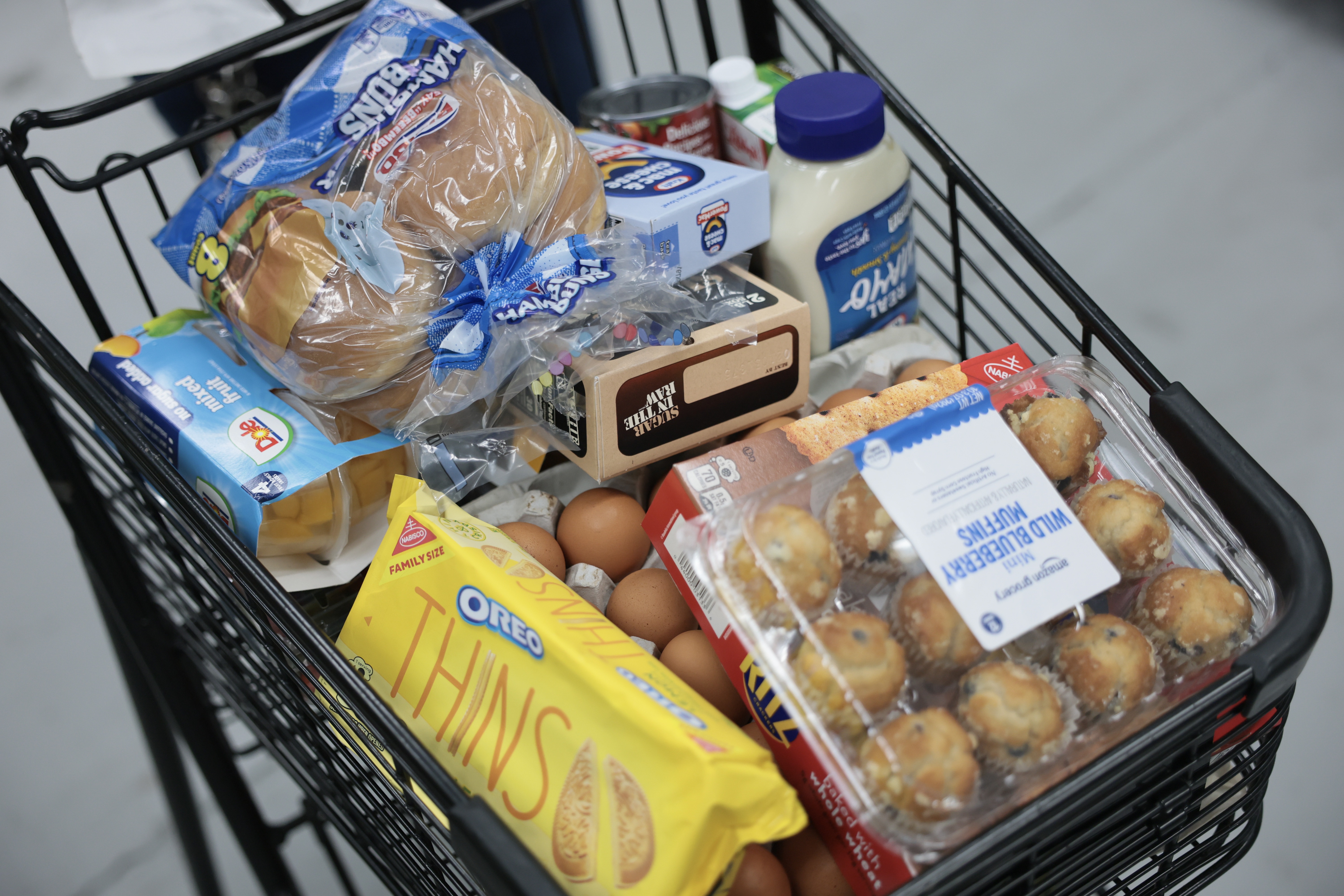
More than four million vulnerable Americans are no longer receiving vital food aid, a dramatic decline in assistance that has unfolded over the past twelve months, according to reports from NPR National. The rapid and consistent drop in participation in the Supplemental Nutrition Assistance Program (SNAP), commonly known as food stamps, follows a series of historic cuts and significant policy changes that began in July last year.
The widespread cessation of benefits has ignited alarm among welfare advocates and social services organisations across the United States, who warn of a looming crisis of food insecurity impacting families, children, and the elderly. The move is particularly poignant given ongoing economic uncertainties and the lingering effects of the pandemic on household budgets.
The Unravelling of a Lifeline
SNAP, designed as a crucial safety net for low-income individuals and families, has historically provided monthly financial assistance to purchase groceries. For many, it represents the difference between putting food on the table and going hungry. The recent changes have seen eligibility tightened, benefit amounts reduced, and work requirements reinstated or strengthened in various states, leading to the substantial exodus from the program.
NPR National reported that the decline in recipients has been both swift and sustained, marking the most significant reduction in participation in recent memory. While some of the decrease can be attributed to an improving job market and individuals moving off welfare, a considerable portion is believed to be a direct consequence of the policy shifts, leaving many without adequate support.
A Ripple Effect on Communities
The withdrawal of such a large sum of purchasing power – amounting to billions of US dollars annually – from low-income households is expected to have a palpable ripple effect on local economies and community services. Food banks and charities, already stretched thin, are bracing for an increased demand that many fear they are ill-equipped to meet.
Australian observers might draw parallels to past welfare reforms or budget constraints that have similarly impacted vulnerable populations here, highlighting the universal challenges governments face in balancing fiscal responsibility with social welfare. The scale of the SNAP cuts, however, underscores a uniquely American approach to austerity when it comes to social safety nets.
Mounting Pressure on Advocacy Groups
Advocacy groups across the US have been vocal in their opposition to the cuts, arguing that they disproportionately affect the most vulnerable and could lead to poorer health outcomes, reduced educational attainment for children, and increased strain on emergency services. They point to the fact that many recipients are working families whose wages simply aren't enough to cover the rising cost of living, or individuals with disabilities who face significant barriers to employment.
The precise reasons for the changes are multifaceted, stemming from legislative reforms passed in Congress and individual state-level decisions to implement stricter eligibility criteria. While proponents argue that the reforms encourage self-sufficiency and reduce dependency on government aid, critics contend they are punitive and ignore the complex realities of poverty.
The Australian Context: A Sobering Reflection
While Australia's social security system operates under different parameters, the dramatic reduction in US food aid serves as a sobering reflection on the potential consequences of significant welfare overhauls. Here, discussions around JobSeeker payments, youth allowance, and the Disability Support Pension often highlight similar tensions between fiscal prudence and adequate support for those in need.
The unfolding situation in the US will undoubtedly be closely watched by policymakers and social commentators globally. The real-world impact on millions of American lives will offer a stark illustration of the human cost when fundamental safety nets are drastically altered, particularly for those already navigating the precarious landscape of poverty.


