Democratic primary elections across Michigan, Wisconsin, and Minnesota are reshaping the political landscape of the United States, transforming the Midwest into a high-stakes arena where the viability of progressive candidates is being rigorously tested. This internal party struggle carries significant implications for the upcoming general elections, as Democrats grapple with defining what 'electability' truly means in a deeply divided nation.
The Progressive Push in Purple States
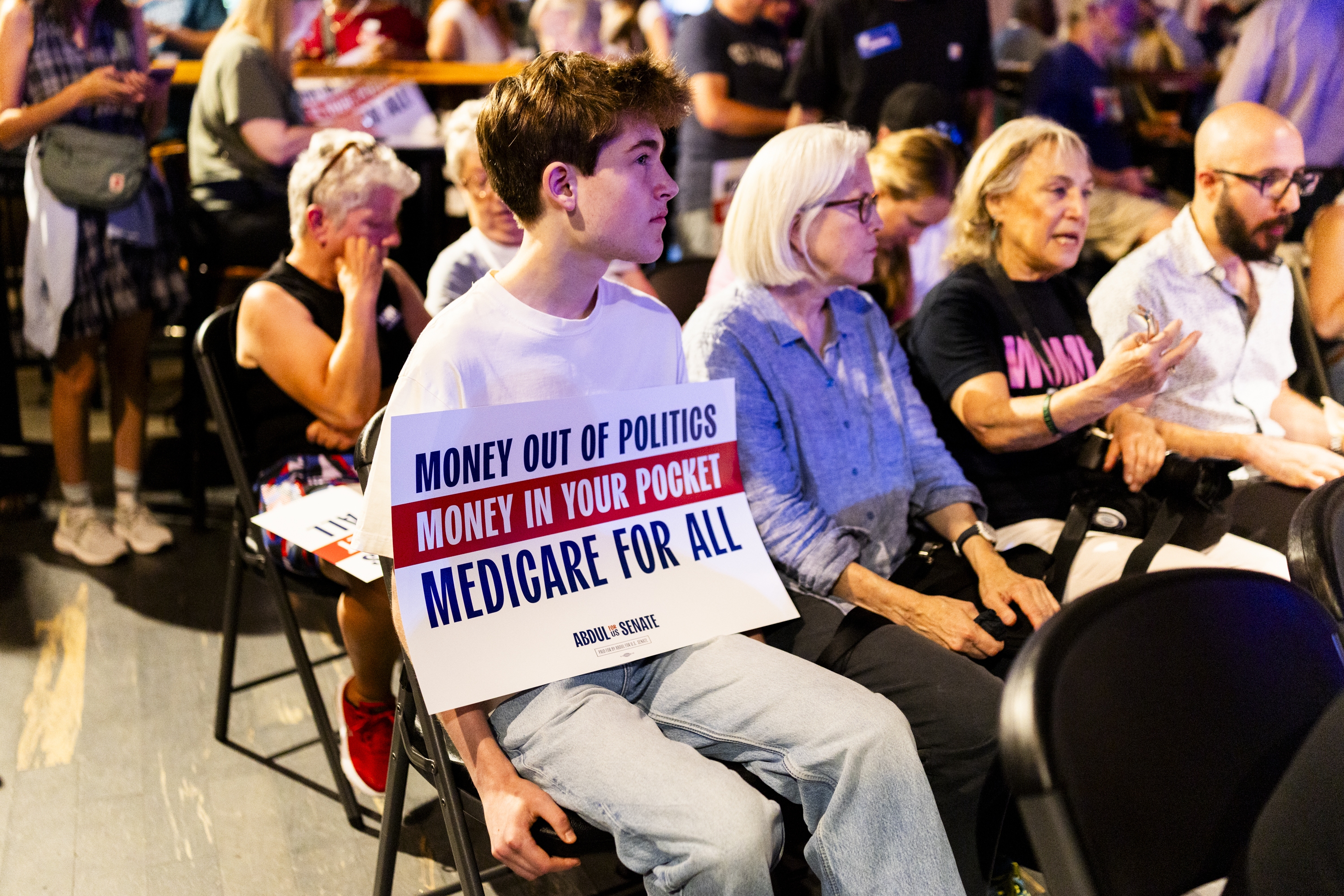
For years, the Democratic Party's conventional wisdom in competitive states often leaned towards centrist candidates, perceived as having broader appeal to independent and moderate voters. However, a new wave of progressive hopefuls, emboldened by figures like Bernie Sanders and Alexandria Ocasio-Cortez, is now challenging this orthodoxy. They argue that a bold progressive agenda – encompassing issues such as universal healthcare, aggressive climate action, and wealth redistribution – can energise the Democratic base and draw in new voters, ultimately leading to victory.
NPR National reported that these Midwest primaries are serving as a critical proving ground for this theory. Unlike traditionally liberal coastal states, the industrial heartland often features a more diverse electorate with a strong working-class presence, making it a compelling barometer for national sentiment. Success here could signal a significant shift in the Democratic Party's strategic approach, potentially influencing candidate selection and platform development in future election cycles.
Defining 'Electability' in a New Era
The ongoing debate in the Midwest also highlights a fundamental disagreement within the Democratic Party over the very definition of 'electability'. Traditionalists often equate electability with moderation, believing that candidates who avoid sharp ideological edges are more likely to win over undecided voters. They point to past successes of more centrist Democrats in swing districts and states as evidence for their strategy.
Conversely, progressives contend that a lukewarm, centrist approach fails to inspire voters and can lead to apathy, particularly among younger demographics and minority groups. They argue that a clear, values-driven progressive platform can ignite enthusiasm, boost turnout, and ultimately be more electable than a candidate perceived as hedging their bets. The outcomes of these primary contests in Michigan, Wisconsin, and Minnesota are thus being scrutinised not just for who wins, but for the margins of victory and the demographic breakdowns of support, offering clues to which strategy resonates most with the electorate.
The Michigan Crucible
Michigan, a crucial swing state that flipped from Democrat to Republican in 2016 before returning to the Democratic column in 2020, is a particularly pertinent example. Primary battles in districts across the state have seen established moderates fending off challenges from more left-leaning contenders. These contests often involve intense grassroots organising, heavy media scrutiny, and significant financial investment from both national progressive groups and more establishment-aligned PACs.
The performance of progressive candidates in these races, even in defeat, provides valuable data. A strong showing, even if it doesn't result in a win, can indicate growing progressive sentiment within the party's base and may influence future campaign strategies or even push winning candidates to adopt more progressive stances on certain issues to unify the party ahead of the general election. The financial stakes are high, with millions of US dollars poured into these campaigns by various interest groups, underscoring the perceived importance of these battles.
Beyond the Ballot Box: Policy Implications
Beyond the immediate electoral outcomes, the success or struggle of progressive candidates in the Midwest could have lasting policy implications. A stronger progressive contingent within the Democratic Party would undoubtedly exert greater pressure for more ambitious legislative action on issues like climate change, social justice reform, and economic inequality. Conversely, if more moderate candidates consistently prevail, it could reinforce a more cautious approach to policy-making, seeking bipartisan compromise over bold ideological shifts.
NPR National's focus on these Midwest primaries underscores their significance not merely as isolated contests, but as bellwethers for the future direction of the Democratic Party and, by extension, American politics. The lessons learned here will inform national strategies, candidate recruitment, and platform development for years to come, shaping the ideological contours of one of the world's most influential political parties.