Sydney, Australia – Australian families could soon be paying more for their groceries amidst global concerns over a looming fertiliser shortage, triggered by escalating tensions in the Middle East. The potential disruption to a vital shipping route, the Strait of Hormuz, has raised alarms about the availability and cost of key agricultural inputs, ultimately impacting the price of everything from bread to beef.
The Strait of Hormuz, a narrow waterway bordering Iran, is critical for global trade, particularly for energy and agricultural commodities. Recent geopolitical events in the region have led to fears of its closure or severe restrictions, threatening the flow of crucial shipments. Fertiliser, a cornerstone of modern agriculture, is heavily reliant on natural gas for its production, and both the gas itself and the finished product often transit this volatile chokepoint.
The Persian Gulf Pinch Point
Experts are closely watching the situation in the Persian Gulf, acknowledging the Strait of Hormuz's immense strategic importance. A significant portion of the world's maritime oil and gas, as well as a substantial volume of international trade, passes through this narrow passage. Any sustained disruption would have immediate and far-reaching consequences for global supply chains. For Australia, which imports a significant amount of its fertiliser needs, delays or increased shipping costs translate directly to higher input costs for farmers. These costs, invariably, are passed on to consumers at the supermarket checkout.
NPR National reported that the closure of the Strait of Hormuz specifically disrupted shipments of both fertiliser and natural gas, highlighting the dual impact on the industry. While the American outlet suggested that significant price hikes for US shoppers were unlikely in the near term, the Australian agricultural landscape and its reliance on international supply chains could paint a different picture for local consumers.
Local Farmers Brace for Impact
Australian farmers are already grappling with rising operational costs, from fuel to machinery. A substantial increase in fertiliser prices would add another layer of financial pressure. Mark Johnson, a grain farmer from regional New South Wales, voiced common concerns without wishing to be quoted directly. “Every extra dollar we spend on inputs reduces our margins,” he explained. “Ultimately, if we can’t absorb those costs, the consumer will.” The concern is that even a moderate increase in fertiliser prices could translate into perceptible rises for a wide range of produce, from wheat and barley to fruits and vegetables, as well as livestock feed, subsequently affecting meat and dairy prices.
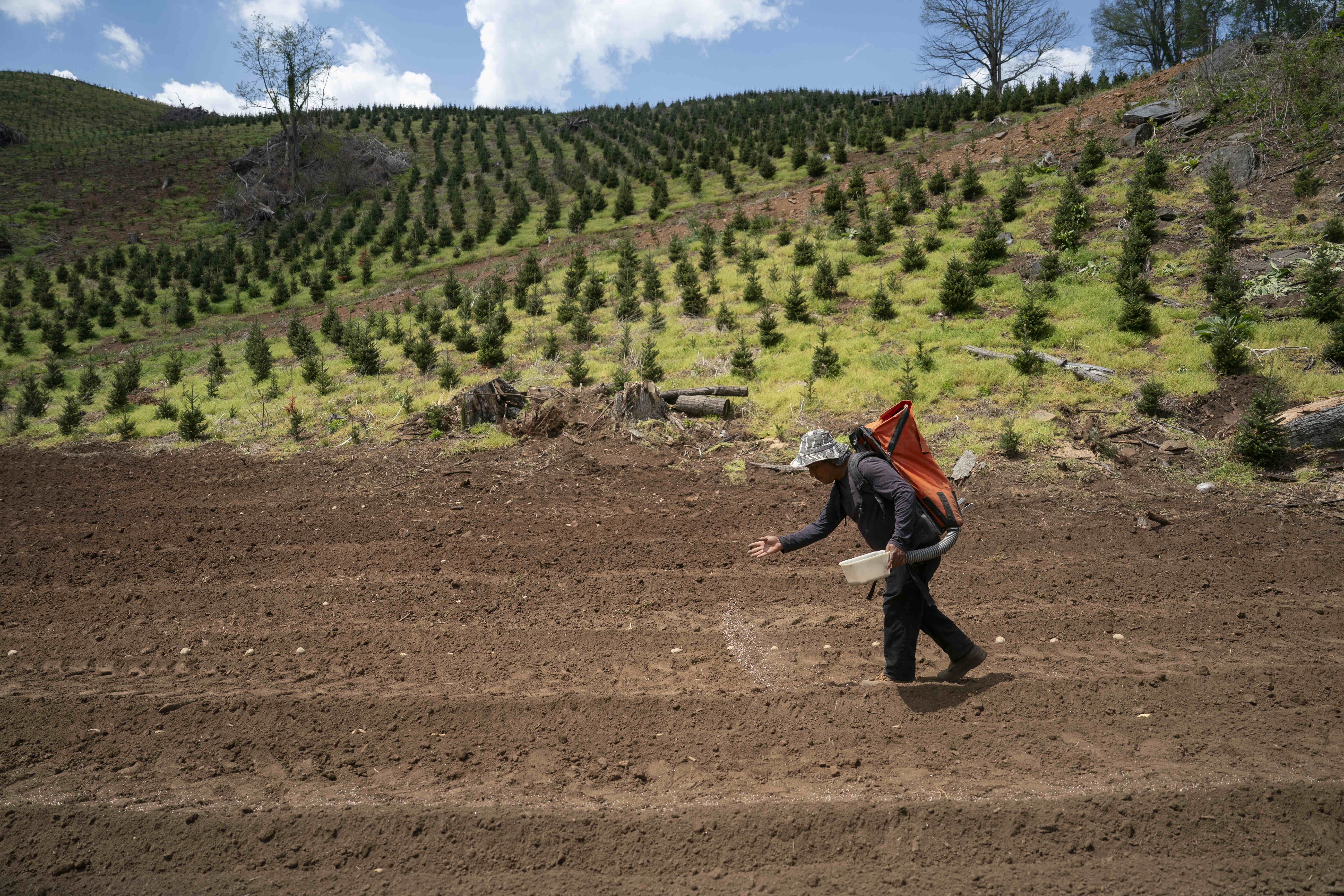
Fertiliser is fundamental to maintaining crop yields, and any reduction in its availability or affordability could force farmers to reduce applications, potentially leading to smaller harvests. This, in turn, could create scarcity and further upward pressure on food prices. The Australian dollar's fluctuating value against international currencies could also exacerbate the problem, making imported fertilisers more expensive.
Consumer Shockwaves Ahead?
The broader economic impact on Australian households remains a primary concern. While direct comparisons with the US market are complex due to differing agricultural structures and import dependencies, an analyst from a major Australian bank, speaking on background, indicated that “even a modest increase in the cost of food staples can have a disproportionate impact on household budgets, especially for those already struggling with the cost of living.”
The immediate effects might not be as dramatic as some fear, but a sustained disruption could lead to a gradual but noticeable creep in grocery bills. The situation serves as a stark reminder of how interconnected global events are, and how geopolitical flashpoints thousands of kilometres away can directly influence the cost of a weekly shop here in Australia. Authorities are monitoring the situation closely, but the potential for increased food prices due to the distant conflict remains a concerning prospect for Australian families.