
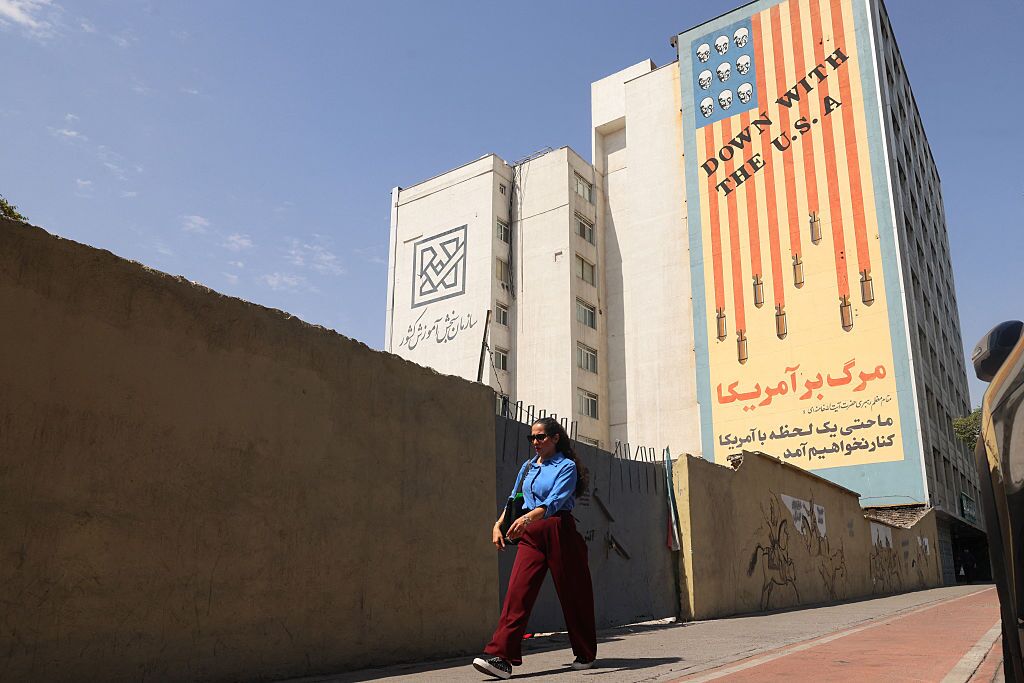
Tensions in the Middle East have spiralled dramatically following a new wave of retaliatory strikes launched by both the United States and Iran. The volatile escalation marks the ninth consecutive day of aerial bombardment since diplomatic efforts to de-escalate the conflict over the strategically vital Strait of Hormuz collapsed, pushing the region closer to open warfare.
The latest hostilities were triggered by an attack that claimed the lives of three US service members, prompting a swift and forceful response from Washington. NPR World reported that the US counter-strikes targeted Iranian assets, exacerbating an already fraught situation in a region grappling with long-standing grievances and geopolitical rivalries.
Diplomacy Fails as Strait Dispute Deepens
Peace talks, which had been delicately attempting to de-escalate the simmering conflict, spectacularly unravelled over disagreements concerning a memorandum of understanding (MOU) specifically focused on the Strait of Hormuz. This narrow waterway, a chokepoint for a significant portion of the world's oil supply, remains at the heart of the current crisis. Its strategic importance cannot be overstated; disruptions here have the potential to send global energy prices soaring and unleash economic instability worldwide. The failure to secure an agreement on its future governance and access has proven to be a critical misstep, directly preceding the current violent uptick.
Analysts in Canberra are closely monitoring the situation, with concerns mounting over the potential for miscalculation. "The Strait of Hormuz isn't just about oil; it's a flashpoint for regional and global power dynamics," noted one former Australian diplomat, speaking on condition of anonymity. "Any sustained disruption would have profound economic consequences, impacting everything from petrol prices at the bowser to the cost of imported goods for Australian families."
A Nine-Day Bombardment
Since the breakdown of negotiations, the region has endured an almost continuous aerial campaign. NPR World highlighted that the US attacks over the past nine days have been a direct consequence of the diplomatic impasse, signalling a hardening of stances from both sides. Each strike and counter-strike serves to deepen the chasm between Washington and Tehran, making a peaceful resolution increasingly remote. The pattern of escalation suggests a dangerous tit-for-tat dynamic, where each act of aggression begets another, trapping both nations in a cycle of violence.
Australia's substantial economic ties to the Middle East, particularly concerning energy imports, mean that any sustained conflict would reverberate through the national economy. A sharp rise in crude oil prices, potentially reaching upwards of $150 a barrel — a substantial increase from current benchmarks— would undeniably hit Australian consumers directly. Such a scenario would see Australians paying significantly more at the pump, impacting household budgets and broader economic growth. The Australian dollar could also face downward pressure as global investors seek safer havens, further complicating the economic outlook.
Regional Instability and Global Repercussions
The recent loss of American lives underscores the lethality of the current engagement and the inherent risks of military operations in such a volatile environment. The response from Washington was expected to be robust, yet its scale and duration raise serious questions about the de-escalation pathways moving forward. The international community, including Australia, has urged restraint, but those calls appear to be falling on deaf ears amidst the escalating violence.
This latest surge in hostilities risks dragging other regional actors into the fray, potentially destabilising an already fragile Middle East and creating a humanitarian crisis of immense proportions. The implications extend far beyond the immediate theatre of conflict, threatening to disrupt global trade, diplomatic relations, and international security architecture. Australian diplomatic efforts will likely intensify in an attempt to support any future avenues for de-escalation, but the immediate prospects appear bleak.

