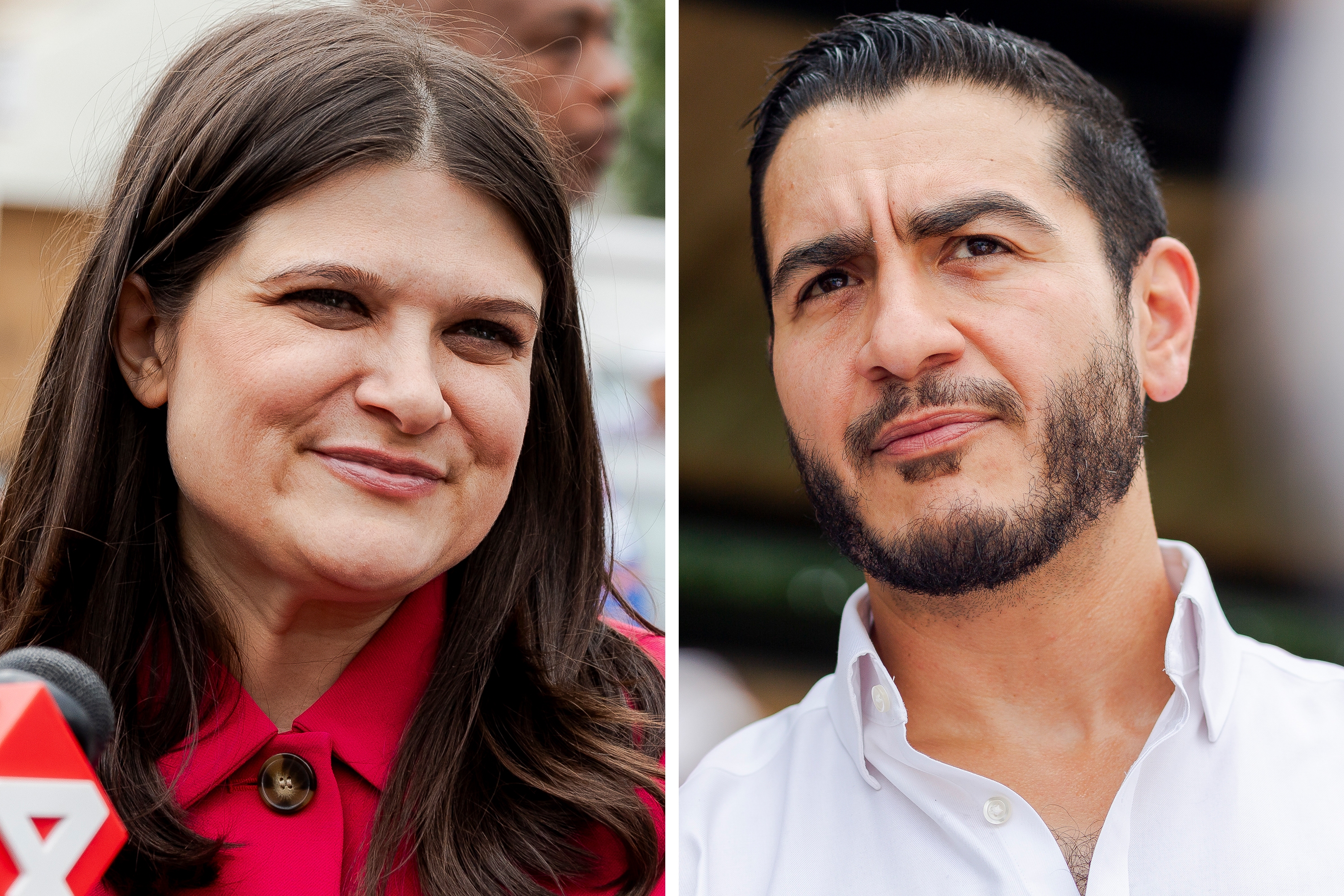
The race for the Democratic Senate nomination in Michigan has become a fascinating, and at times fractious, battleground, offering a stark illustration of the broader identity crisis gripping the American Democratic Party. With the incumbent stepping down, the contest between Haley Stevens and Abdul El-Sayed is not merely about who will represent Michigan, but rather which direction the party itself will steer.
A Clash of Ideologies and Styles
At its heart, the Michigan primary pits two distinct philosophies against each other. Haley Stevens, a former chief of staff to a prominent Democratic official, embodies the more traditional, establishment wing of the party. Her campaign, according to NPR Politics, largely adheres to established political playbooks, focusing on fundraising and endorsements from long-standing party figures. This approach resonates with voters who prioritise experience, pragmatism, and a steady hand in navigating the complex world of Washington D.C. She represents a continuation of the Democratic Party as many have known it for decades.
Conversely, Abdul El-Sayed, a physician and former city health director, is championed by the party’s ascendant progressive and insurgent factions. His campaign is characterised by a more grassroots, activist-driven energy, leveraging new media and direct engagement to mobilise voters. El-Sayed's platform often leans further left on key policy issues, advocating for more significant structural changes. His supporters are often younger, more diverse, and are seeking a fundamental shift in the party’s priorities and approach to governance. NPR Politics highlighted this stark contrast, noting the tension between those who believe the party needs to appeal to a broad, moderate base and those who argue for a more ideologically pure, progressive stance.
The Generational Divide and Media Battleground
Adding another layer to this complex primary is the generational divide, which often aligns with the ideological split. Stevens, while not elderly, represents a more traditional political generation, comfortable with established campaign tactics and media outlets. Her messaging tends to be carefully calibrated for mainstream appeal.
El-Sayed, however, has masterfully utilised new media platforms and digital organising strategies, appealing to a younger demographic that consumes news and engages with politics in fundamentally different ways. This divergence in media strategy reflects a broader schism in how the Democratic Party communicates and connects with its diverse voter base. The question for Michigan Democrats, as NPR Politics observed, is whether the party's future lies in refining its traditional outreach or embracing the rapidly evolving digital landscape to mobilise new constituencies. This isn't just about reaching voters; it's about shaping the very narrative of the Democratic Party in the 21st century.
Implications Beyond Michigan
The outcome of Michigan's Democratic Senate primary will have ripples far beyond the state's borders. It is being watched closely by political strategists and pundits across the United States as a bellwether for the national Democratic Party. A victory for Stevens would likely be interpreted as a reaffirmation of the party's more centrist, establishment path, suggesting that voters are prioritising electability and experience in a challenging political climate.
Conversely, an El-Sayed triumph would embolden the progressive wing, signalling a demand for more radical policy shifts and a willingness to embrace insurgent candidates who challenge the status quo. The debate over which path the Democratic Party should take – whether to tack left to energise its base or move towards the centre to attract swing voters – is a perennial one. This Michigan race, as NPR Politics aptly summarised, is a crucial live experiment in that ongoing internal struggle, with significant implications for the party's direction in upcoming federal elections and its long-term identity.