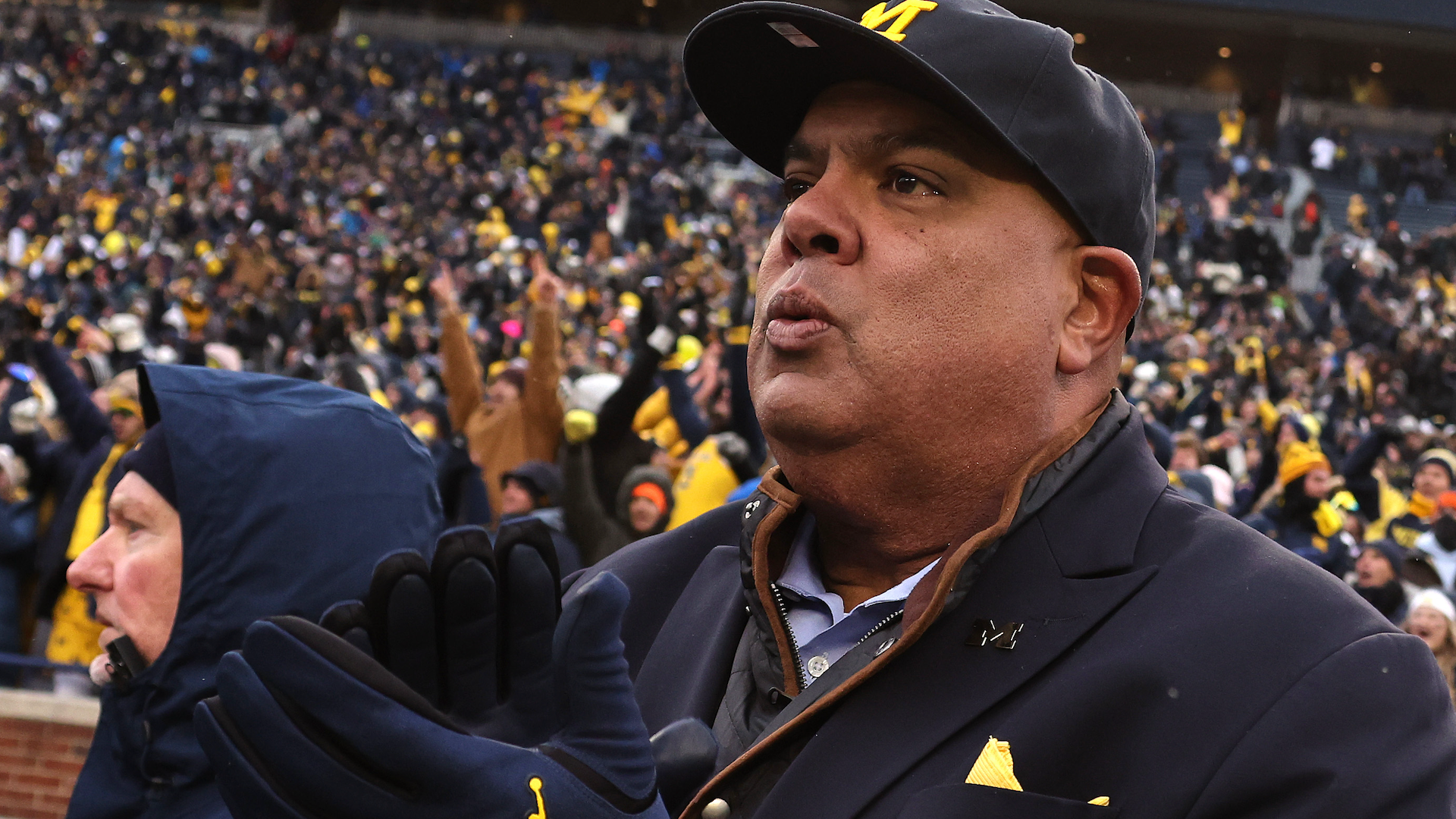
ANN ARBOR, MICHIGAN – The University of Michigan’s outgoing athletic director, Warde Manuel, is set to receive a colossal US$7.1 million (approximately A$10.8 million) severance package following his sudden resignation. The eye-watering sum comes after an internal investigation, drawing significant scrutiny across the American collegiate sports landscape.
Manuel's unexpected departure and subsequent massive payout have sent shockwaves through the National Collegiate Athletic Association (NCAA), an organisation renowned for its high-stakes finances and fierce competition. While the university has remained tight-lipped regarding the specifics of the investigation that precipitated the resignation, the financial details, first reported by CBS Sports NY, have ignited a firestorm of debate over accountability and executive compensation in tertiary education sports programs.
A Golden Handshake Amidst Scrutiny
The settlement, confirmed by CBS Sports NY, stipulates that Manuel will receive the full US$7.1 million buyout, a figure reflecting the remaining value of his contract. This substantial sum underscores the lucrative nature of top-tier athletic directorships in the US, where successful programs can generate hundreds of millions of dollars in revenue from broadcasting rights, sponsorships, and ticket sales. Critics argue such payouts are excessive, particularly when public funds or significant donor contributions are involved in university budgets. The optics of such a large severance, especially without a clear public explanation for the resignation, are likely to fuel ongoing discussions about transparency and governance within major US university athletic departments.
The University's Tight-Lipped Stance
Details surrounding the internal investigation remain shrouded in secrecy, with the University of Michigan declining to elaborate on the nature of the misconduct or the specific findings that led to Manuel's resignation. This lack of transparency has only intensified speculation, with many observers questioning why such a significant payout would be deemed necessary if the departure was truly voluntary or without underlying issues. Universities often navigate a delicate balance between protecting institutional reputation and providing public accountability, particularly when dealing with high-profile personnel. In this instance, the university appears to have prioritised privacy, a decision that comes at a substantial financial cost and potentially, a reputational one.
Broader Implications for College Athletics
This incident is likely to have wider ramifications for college athletics, an industry already grappling with significant change, including debates over athlete compensation and the increasing commercialisation of university sports. The Manuel payout could set a precedent or at least contribute to the ongoing conversation about the financial prudence and ethical standards expected of top university administrators. As Australian universities increasingly look to US models for sports development and revenue generation, such cases offer a cautionary tale about the potential pitfalls inherent in high-stakes professionalised collegiate sport. The saga at Michigan serves as a stark reminder of the immense financial pressures and scrutiny faced by those at the helm of major athletic programs in the United States.