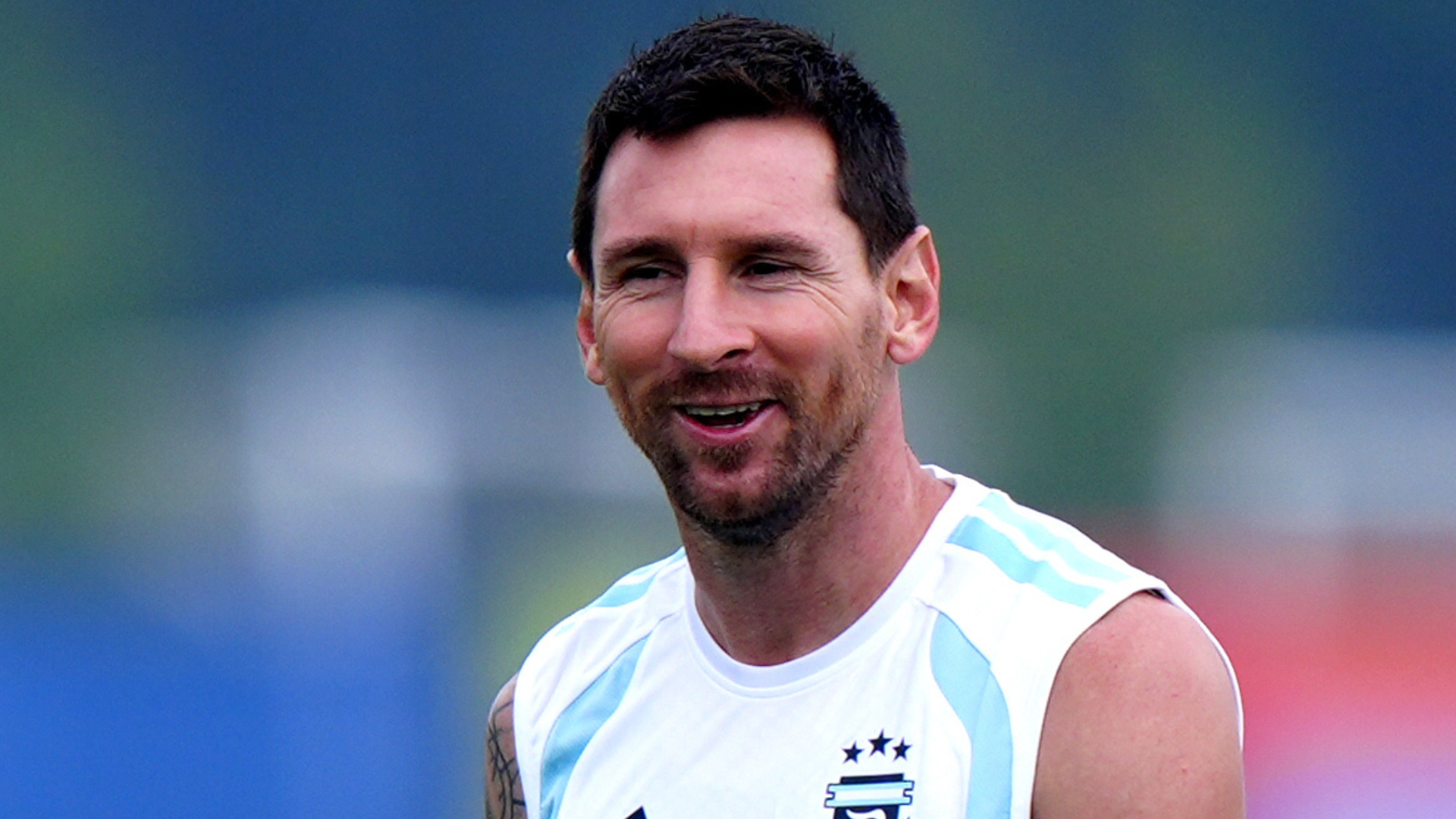
The footballing world holds its breath as Argentina, spearheaded by the incomparable Lionel Messi, prepares to face a formidable Spanish side in the World Cup final. This highly anticipated showdown in Qatar isn't just about lifting the coveted trophy; it’s a narrative steeped in legacy, ambition, and potentially, a changing of the guard.
For Messi, this represents a poignant, and likely final, opportunity to cement his legend with back-to-back World Cup triumphs – an achievement that would undoubtedly etch his name further into the pantheon of sporting greats. The weight of a nation, and indeed, millions of fans globally, rests squarely on the shoulders of the diminutive playmaker, who has once again defied age and expectation to guide his team to the tournament's pinnacle.
Rodri's Defensive Wall vs. Messi's Magic
Standing in Messi’s way is a Spanish team renowned for its suffocating defence and tactical discipline, with Manchester City's midfield general, Rodri, at its core. CBS Sports NY highlighted this central duel, questioning whether the battle between Messi and Rodri will ultimately define the World Cup final. Rodri, a colossus in the defensive midfield, has been instrumental in Spain's journey, breaking up play, dictating tempo, and providing a crucial shield for his backline. His ability to anticipate and intercept passes could be the key to disrupting Argentina's intricate attacking plays, particularly those orchestrated by Messi.
The tactical battle will be fascinating. Spain’s possession-based game seeks to starve opponents of the ball, frustrating their rhythm and creating opportunities through sustained pressure. Argentina, on the other hand, possesses a more direct threat, relying on Messi's individual brilliance and the swift counter-attacks of players like Julián Álvarez. The midfield dogfight, with Rodri at its epicentre, will be crucial in dictating the flow and outcome of the match.
The Price of Glory: A $60 Million Prize on Offer
Beyond the glory, the financial stakes are astronomical. The winning nation will walk away with a staggering AUD$60 million (approximately USD$42 million) in prize money, a testament to the commercial might of modern football. The losing finalist, while disappointed, will still receive a substantial AUD$43 million. These figures underscore the immense investment and return associated with success on the global stage, allowing national football federations to further develop grassroots programs and infrastructure.
Argentina's Quest for a Repeat
Argentina's journey to the final has been marked by moments of pure Messi magic, but also by a collective resilience and tactical adaptability. Their coach, Lionel Scaloni, has masterfully built a team that complements Messi's genius, providing him with the freedom to create while ensuring defensive solidity. The experience gained from their previous World Cup success will be invaluable; they know what it takes to navigate the pressures of a final. The question remains: can they replicate that triumph, especially against a Spanish side that seems tailor-made to neutralise their primary threat?
Spain's Modern Football Philosophy
Spain arrives in the final embodying a modern football philosophy – technical, disciplined, and with a strong emphasis on control. Their youthful squad, blended with experienced campaigners, has shown remarkable maturity throughout the tournament. Their path to the final has seen them overcome various challenges, demonstrating not just their tactical acumen but also their mental fortitude. To defeat Argentina, they will need every ounce of that composure, particularly in stifling Messi's influence and exploiting any potential weaknesses in the Argentine defence. This promises to be a final for the ages, a battle of wills and tactics, culminating in one nation lifting the most coveted trophy in football.