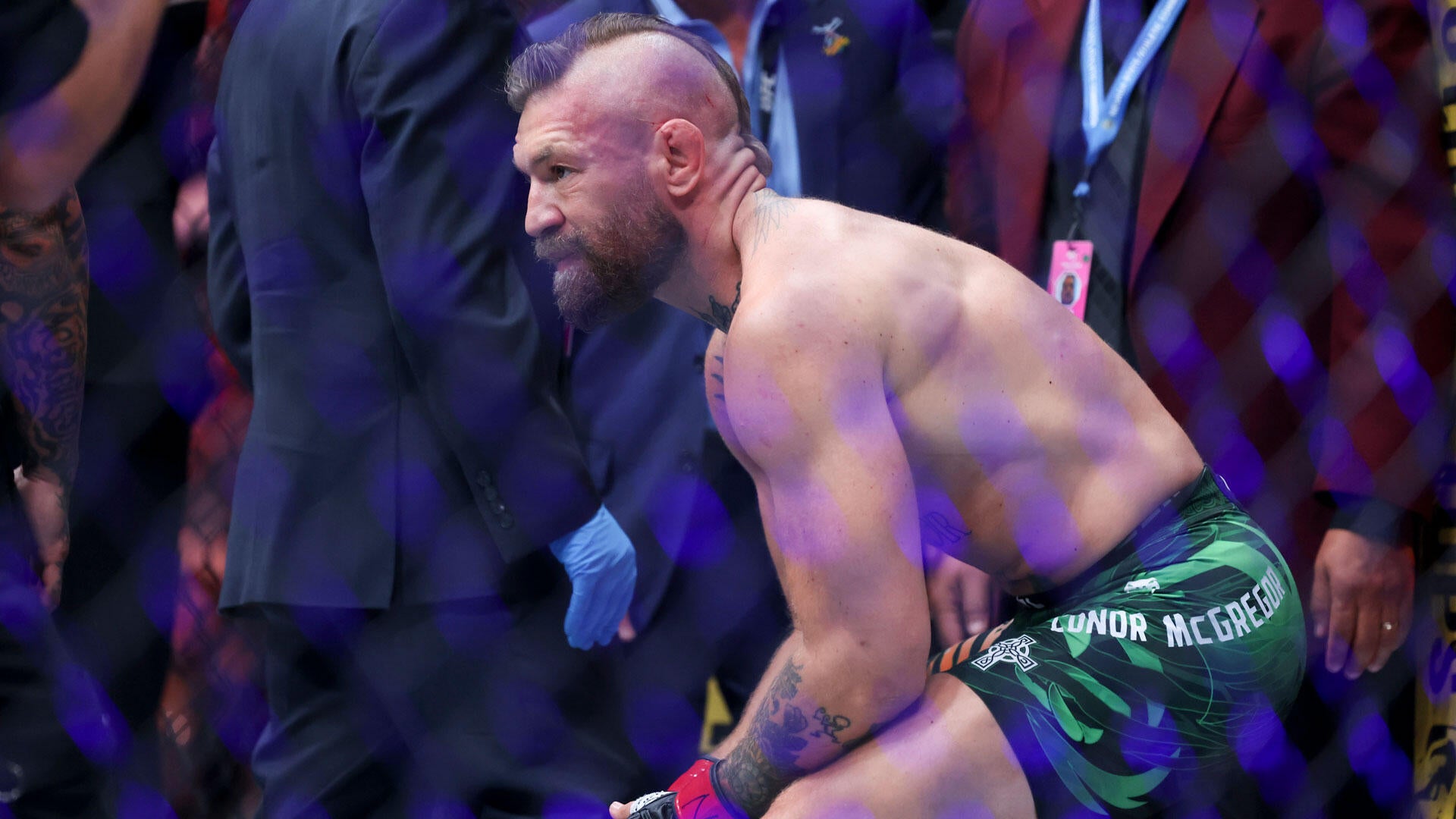
A devastating knee injury has sidelined Irish mixed martial arts sensation Conor McGregor, with the former two-division UFC champion revealing he sustained a torn anterior cruciate ligament (ACL) and meniscus during his contentious fight against Max Holloway at UFC 329. The revelation, initially reported by CBS Sports NY, has sent shockwaves through the MMA world, raising serious questions about the 35-year-old's immediate future in the octagon.
McGregor, notoriously outspoken, confirmed the extent of his injuries, suggesting a recovery timeline that could see him out of action until next Australian summer. This prolonged absence marks another significant setback for 'The Notorious' as he attempts to regain his pre-eminence in a sport he once dominated.
Long Road to Recovery Looms for 'The Notorious'
The severity of an ACL and meniscus tear is well-documented in professional sports, often requiring extensive surgery and a rehabilitation period typically spanning 9 to 12 months. For a fighter whose explosive power and dynamic movement are central to his style, such an injury presents a formidable challenge. Medical experts, speaking generally on such injuries, indicate that a full return to competitive action at an elite level can be arduous, demanding rigorous physical therapy and mental fortitude.
McGregor's pronouncements of a return by next summer suggest an optimistic outlook, aligning with the upper end of typical recovery windows. However, the nature of combat sports – with its high impact and rotational forces – adds an additional layer of complexity to his rehabilitation. Fans and pundits alike will be keenly watching his progress, hoping to see the charismatic Irishman back at his peak.
Millions on Hold: Commercial Implications of Injury
The injury not only impacts McGregor's athletic career but also carries significant financial repercussions. As one of the highest-earning athletes globally, McGregor's absence from the cage means a substantial halt to his fight purses, which often run into the tens of millions of Australian dollars. Beyond direct fight revenue, his extensive endorsement deals and business ventures, such as his successful Proper Twelve whiskey brand, thrive on his visibility and active participation in the sport. A prolonged hiatus could cool some of that commercial momentum, although his star power remains immense.
The UFC itself also faces a void. McGregor fights are guaranteed blockbusters, translating into massive pay-per-view buys and sold-out arenas. His absence will undoubtedly influence the promotion's scheduling and revenue forecasts for the coming year, forcing them to pivot and promote other marquee matchups in the interim.
Holloway Bout: A Turning Point Not a Comeback
The fight against Max Holloway at UFC 329 was billed as a pivotal moment for McGregor, a chance to reassert his dominance after a series of high-profile losses and extended breaks. Instead, it has become the unfortunate backdrop to this latest injury. While the specifics of how the injury occurred during the bout haven't been fully detailed by McGregor or CBS Sports NY, the incident underscores the brutal realities of professional fighting.
Holloway, a formidable opponent, provided McGregor with a tough test, and the injury will inevitably lead to speculation about whether it impacted the fight's outcome. Regardless, the focus now shifts entirely to McGregor's recovery, with the hopes of a genuine comeback only possible once his health is fully restored.