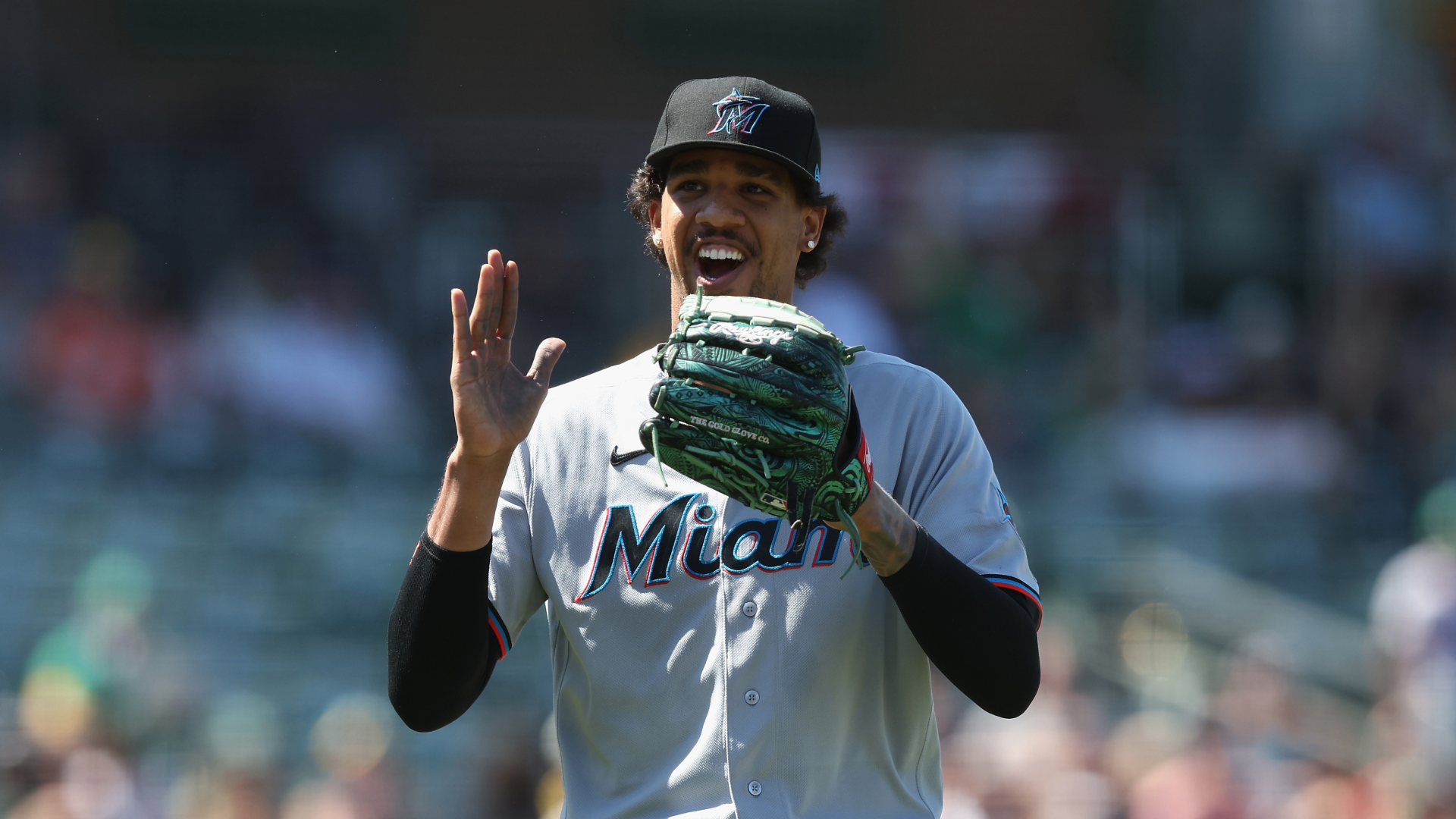
Miami, USA – Baseball fans around the world, particularly those following the fortunes of the Miami Marlins, found themselves on the edge of their seats this week as 21-year-old phenom Eury Pérez carved through the Oakland Athletics’ lineup with effortless precision. For seven flawless innings, Pérez was unhittable, untouchable, and seemingly unconcerned by the monumental task unfolding before him: a perfect game.
Perfect Through Seven, Then Perplexing Decision
Facing the Athletics at their home ground, Pérez had retired all 21 batters he faced, striking out seven and showcasing a dazzling array of pitches that left Oakland hitters flailing. The tension in the stadium was palpable, a hushed reverence descending with each out. Historically, perfect games are among the rarest feats in sport, with only 24 ever officially recorded in Major League Baseball history. The young Dominican right-hander was on the verge of etching his name into the annals of baseball lore. However, in a move that immediately ignited hot debate among commentators and fans alike, Marlins manager Skip Schumaker opted to pull Pérez after his seventh inning of dominance.
At just 21 years old and still under strict innings limits to protect his prodigious arm, the decision, while strategically understandable, left many questioning the balance between player welfare and historical opportunity. Pérez had thrown an economical 79 pitches, well within a reasonable workload for many starters. CBS Sports NY, reporting from the scene, detailed the immediate disbelief as Schumaker emerged from the dugout, signalling an end to Pérez’s masterclass.
Bullpen Meltdown Mars History Bid
The relief pitcher tasked with holding Pérez’s gem, Lake Bachar, stepped onto the mound in the top of the eighth inning to a mixture of anticipation and anxiety. What followed was a catastrophic unraveling that swiftly extinguished any lingering hopes of making history. Bachar struggled immediately, conceding two singles and a walk to load the bases. The Athletics’ designated hitter, Brent Rooker, then stepped up to the plate and launched a towering grand slam over the outfield fence, instantly shattering the Marlins' pristine scoreboard. The four runs scored were compounded by another solo home run later in the inning, completing a disastrous five-run collapse. The perfect game, and indeed the shutout, was gone.
Lingering Questions and What-Ifs
The Marlins ultimately rallied to win the game 7-6, a victory that, while crucial for their season, felt secondary to the dramatic narrative that had unfolded. The post-game analysis was dominated by Schumaker’s decision and the ensuing bullpen implosion. Was it a correct, albeit unpopular, move to protect an invaluable young asset? Or did it deny Pérez, and the fans, a chance to witness something truly extraordinary purely for the sake of caution? While pitcher health and long-term viability are paramount in modern baseball, the allure of a perfect game – a statistical and athletic unicorn – often weighs heavily on managerial decisions.
For Pérez, the outing still stands as a career highlight, demonstrating his immense talent and potential. However, the collective 'what if' will undoubtedly linger over this particular game, a potent reminder of baseball's unpredictable drama and the fine line between calculated management and chasing immortality. The Australian sporting public, accustomed to high-stakes decisions in cricket and rugby, will undoubtedly empathise with the tightrope walk faced by professional sports managers globally.