
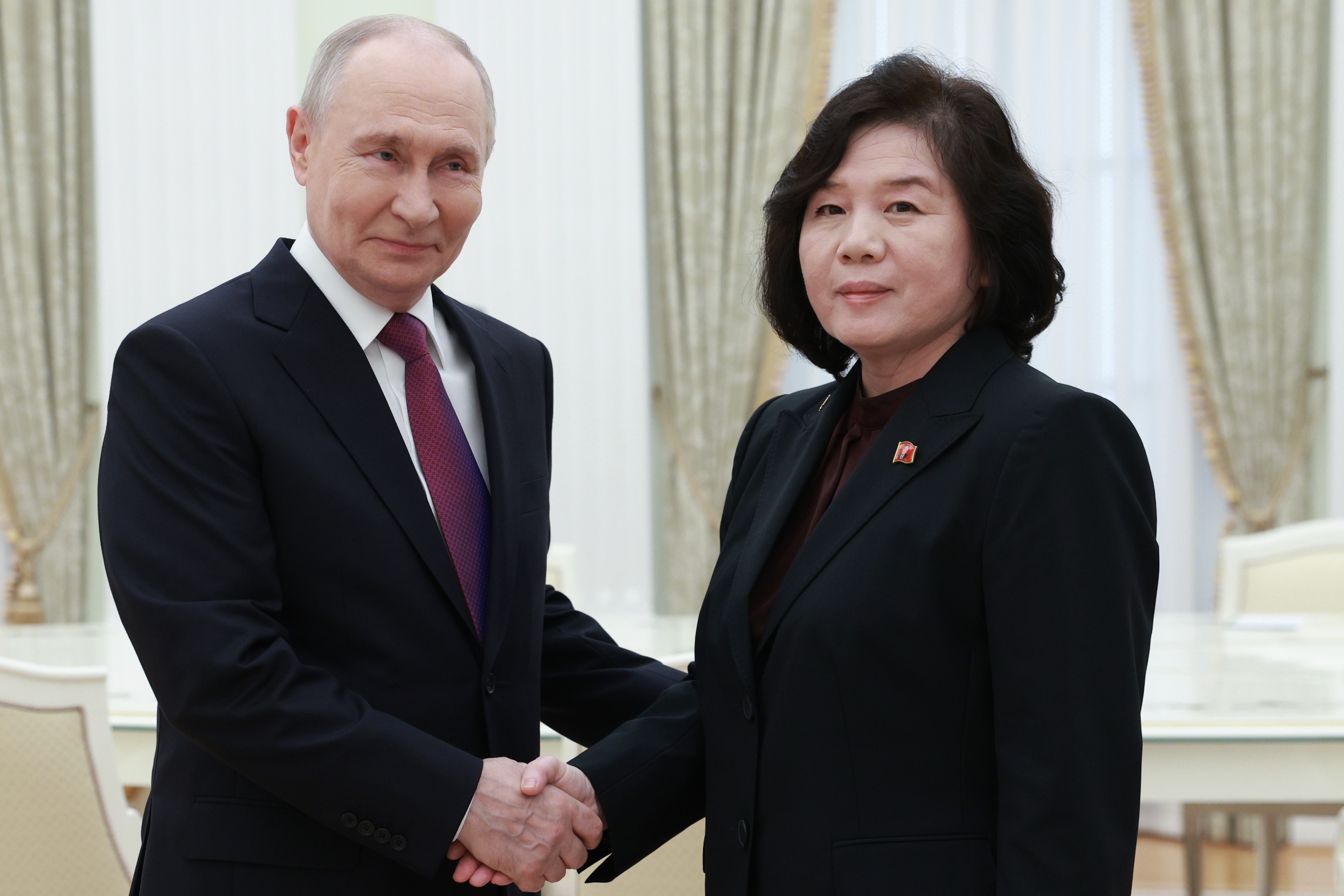
The foreign minister of North Korea, Choe Son Hui, has concluded an unannounced visit to Moscow, holding high-level talks with Russian President Vladimir Putin and her counterpart, Sergey Lavrov. The unexpected diplomatic mission, which occurred without an obvious pre-arranged occasion like a multilateral summit or state anniversary, has ignited international speculation that it paves the way for a highly anticipated visit by North Korean leader Kim Jong Un to Russia.
NPR World reported on the unusual nature of the visit, highlighting its clandestine character and the immediate assumption among observers that it signals a deepening of strategic alignment between the two isolated nations. A potential Kim-Putin summit would mark a significant escalation in their burgeoning partnership, particularly given the ongoing conflict in Ukraine.
Diplomacy Behind Closed Doors
Choe Son Hui’s itinerary included a lengthy meeting with Putin at the Kremlin, a rare honour for a foreign minister, underscoring the strategic importance Russia places on its relationship with Pyongyang. While official readouts from both sides were sparse, the discussions reportedly focused on bilateral relations, regional security, and “international issues.” Analysts suggest that the primary objective of Choe’s visit was to finalise preparations and iron out logistical details for a potential trip by Kim Jong Un, possibly within the coming months.
The discussions with Foreign Minister Lavrov were described as “productive,” with both sides reaffirming their commitment to strengthening cooperation across various sectors. This comes mere months after Kim Jong Un’s extensive visit to Russia’s Far East in September, where he toured military and space facilities, engaging directly with Putin in a highly publicised display of solidarity.
Western Allies Voice Concern
The prospect of another Kim-Putin summit has sent ripples of concern through Western capitals, including Canberra. There are fears that Russia's increasing reliance on North Korea for arms and ammunition for its war in Ukraine could be reciprocated with advanced Russian military technology, potentially bolstering Pyongyang’s nuclear and missile programs. Such an exchange would violate multiple United Nations Security Council resolutions and destabilise the Indo-Pacific region.
Australian officials, while refraining from direct commentary on the specifics of Choe’s visit, have consistently expressed strong condemnation of any nation providing material support for Russia’s aggression in Ukraine. A spokesperson for the Department of Foreign Affairs and Trade (DFAT) reiterated Australia's commitment to upholding international law and applying sanctions against entities facilitating Russia's war effort, potentially extending to North Korea if evidence of significant arms transfers emerges.
Arms for Technology?
The implied quid pro quo — North Korean artillery shells and ballistic missiles for Russian technical assistance in satellite and possibly submarine technology — remains a central anxiety for intelligence agencies worldwide. South Korea and the United States have already presented evidence suggesting North Korean arms have been used by Russian forces in Ukraine. A formal, high-level agreement between Kim and Putin would solidify this exchange, making it harder for international bodies to monitor and curb.
The timing of Choe’s visit, amidst heightened global tensions and ongoing geopolitical realignments, underscores the evolving security landscape. The deepening ties between Moscow and Pyongyang are seen as a defiant challenge to the established international order, with both nations seemingly seeking to leverage each other's needs to counter perceived Western dominance. The world now watches closely for the next move in this high-stakes diplomatic chess game, particularly a potential announcement of Kim Jong Un's return to Russian soil.

