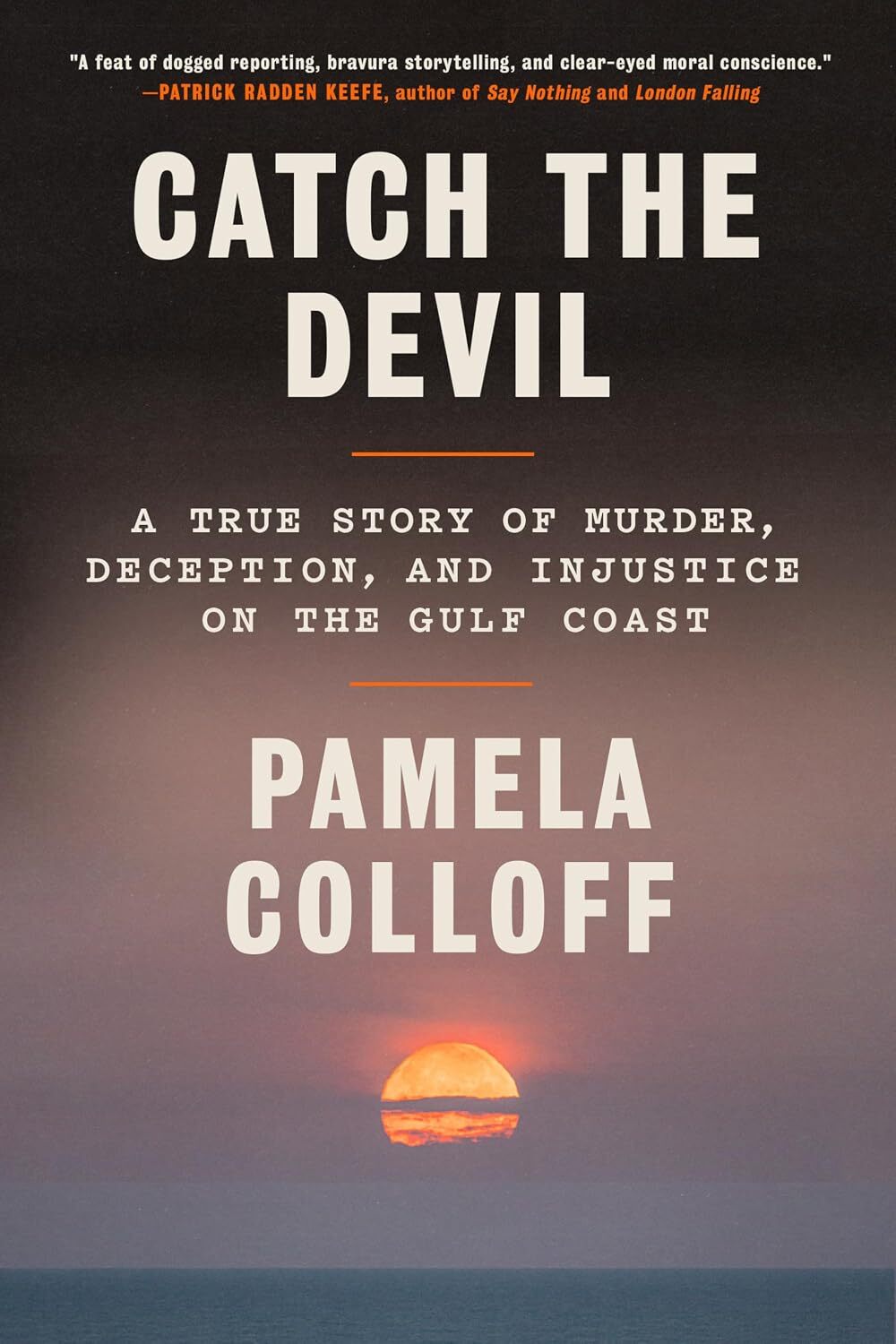
The brutal 1985 killing of 14-year-old Shelly Boggio in Texas has served as the grim canvas for a new true-crime exposé, Catch the Devil, which, according to NPR Arts, delivers an engrossing and damning indictment of the US justice system.
Penned by journalist Pamela Colloff, the book delves into a cold case that spiralled into a quagmire of presumptive arrests, flawed interrogations, and a desperate legal battle that saw an innocent man spend decades behind bars. Colloff’s rigorous investigation, praised by NPR Arts, meticulously reconstructs the events surrounding Boggio's death and the subsequent two decades of legal theatre, revealing a system seemingly more intent on securing a conviction than uncovering the truth.
The Lingering Shadow of a Cold Case
Shelly Boggio's disappearance from a Fort Worth mall on a sweltering August day in 1985 sent shockwaves through the community. Her body was discovered days later, sexually assaulted and murdered, igniting one of Texas's most enduring and controversial true crime sagas. The initial police investigation quickly focused on a prime suspect, but the lack of concrete evidence saw the case languish for many years, a chilling reminder of an unsolved horror that haunted Fort Worth households.
It was not until 2003 that a new break in the case – or so it seemed – emerged. Advances in DNA technology pointed to a man named David Lee Powell. However, as Colloff’s book reportedly details, the path from forensic evidence to conviction was fraught with critical missteps, tunnel vision, and prejudicial assumptions that ultimately led to a wrongful conviction, a tragedy that is now meticulously unpacked for readers.
A System Under Scrutiny
NPR Arts highlights how Catch the Devil is not merely a retelling of a brutal murder but a scathing critique of the mechanisms of justice. Colloff’s narrative dissects how confirmation bias can infect an investigation, leading law enforcement to filter evidence through a pre-ordained conclusion. According to the review, the book shines a powerful light on the psychological vulnerabilities of suspects during interrogation, showcasing how coercive tactics, often unintentional, can lead to false confessions and compromises of due process. The financial burden of a protracted legal battle, easily running into hundreds of thousands of Australian dollars for legal representation, is also subtly woven into the narrative, underscoring the systemic inequities faced by those without significant means.
Colloff’s reportorial rigour is evident in her examination of judicial processes, juror biases, and the appellate system, painting a portrait of a system often ill-equipped to undo its own errors. The book draws a straight line between these failures and their devastating human cost, transforming the true-crime genre into a searing piece of social commentary.
The Unveiling of Truth and its Aftermath
The most compelling and, arguably, heartbreaking aspect of Catch the Devil, as noted by NPR Arts, is its profound exploration of the aftermath of a wrongful conviction. The book charts the tireless efforts of legal teams and advocates fighting to clear the name of David Lee Powell, a man who, despite maintaining his innocence, spent 18 years behind bars for a crime he did not commit. This protracted struggle underscores the immense difficulty of overturning a conviction, even when compelling new evidence emerges.
Ultimately, Powell was exonerated, a victory for justice but one that came at an incalculable personal cost. Colloff’s work goes beyond the courtroom drama, offering a poignant look at the ripple effects of such a profound injustice on individuals, families, and even the collective consciousness of a community. It serves as a stark reminder that the pursuit of justice is not always straightforward, and the true mark of a robust legal system lies in its capacity for self-correction and its unwavering commitment to the truth, however inconvenient it may be.