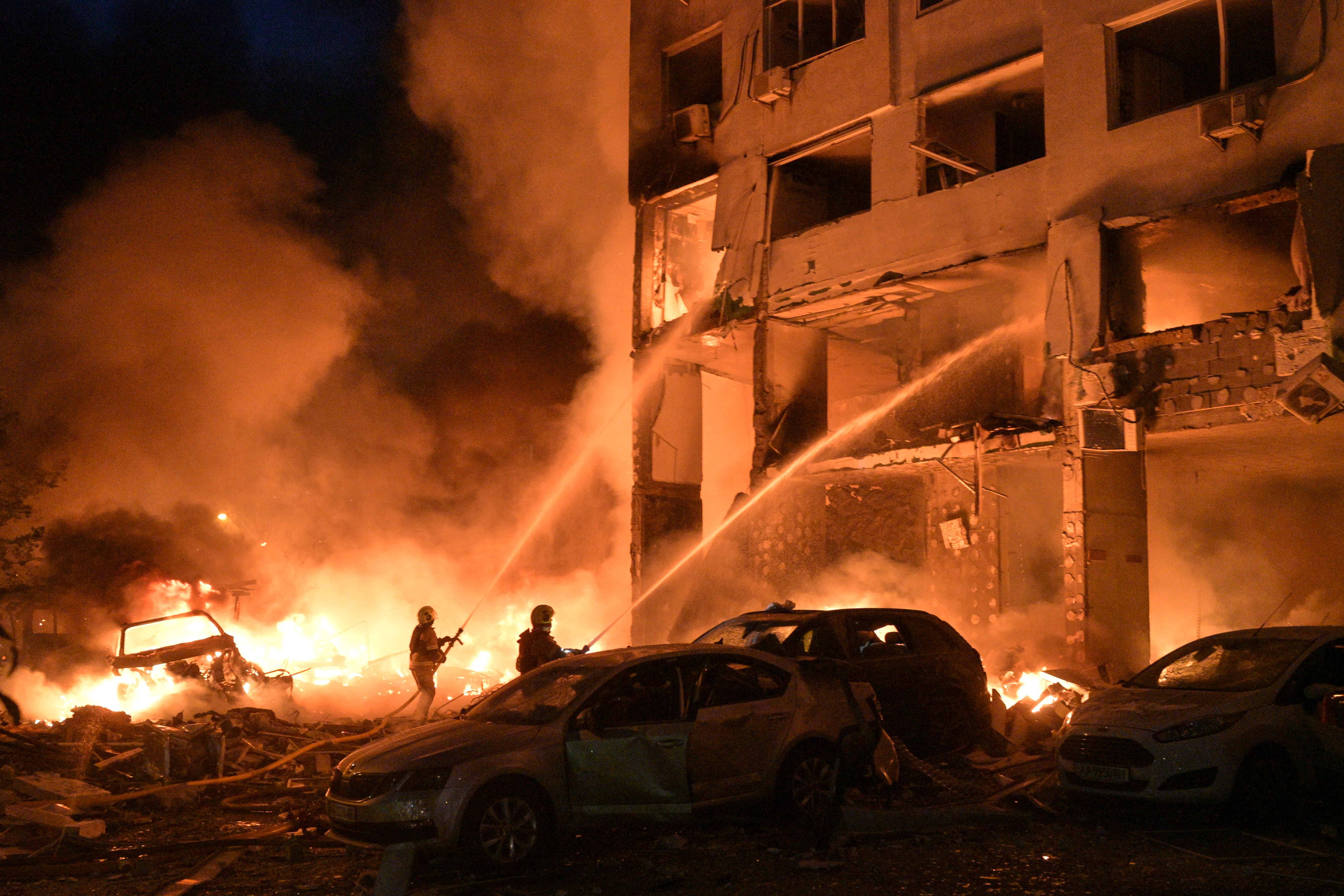
TEHRAN: Iran has begun the monumental process of mourning its spiritual and political guide, Ayatollah Ali Khamenei, with millions of grief-stricken citizens flooding the capital's thoroughfares in a display of profound national sorrow. The extraordinary scenes of public lamentation mark the first step in a series of funeral rites for the Supreme Leader, who was assassinated in a targeted US-Israeli airstrike in February, as initially reported by NPR World.
Nation United in Grief and Defiance
The sheer scale of the turnout today is testament to Khamenei’s enduring influence and the unifying power of shared tragedy. From early morning, vast crowds, estimated by state media to be in the multi-millions, converged on Tehran, many carrying portraits of the late leader and chanting slogans of defiance against Iran's perceived enemies. The atmosphere, while palpably mournful, was also charged with a potent sense of national unity and a call for retribution for the unprecedented act of aggression.
Security was exceptionally tight across the capital, with thousands of Revolutionary Guard Corps personnel and Basij militia members deployed to manage the dense crowds and maintain order. Despite the immense numbers, the procession, which began at Tehran University and is set to culminate at the Imam Khomeini Mausoleum, has so far proceeded without major incident, underscoring the deep organisational capabilities of the Iranian state even in times of crisis.
An Unprecedented Blow to the Islamic Republic
Ayatollah Khamenei’s death, at the age of 84, marks an epochal moment for the Islamic Republic, which he had led for over three decades since the passing of Ayatollah Ruhollah Khomeini. His leadership was characterised by unwavering commitment to revolutionary principles, a steadfast opposition to Western influence, and a focus on Iran's regional power projection. The missile strike that claimed his life, a brazen act of state-sponsored assassination according to Tehran, has plunged the region into an even deeper state of instability.
NPR World's initial reports indicated that the strike targeted a convoy in which Khamenei was travelling, outside of an agreed-upon de-escalation zone. While details remain scant, the Iranian government has unequivocally branded the attack as an act of international terrorism and a flagrant violation of international law. The United States and Israel have yet to formally claim responsibility or deny involvement, further escalating global tensions.
Fallout and the Road Ahead
Domestically, the immediate focus is on the succession. The Assembly of Experts, the clerical body responsible for electing the Supreme Leader, is expected to convene in the coming days to choose Khamenei’s successor. The process is likely to be fraught with internal deliberations, as various factions within the Iranian political and religious establishment vie for influence in the post-Khamenei era. Many analysts suggest that while a successor will likely be chosen from within the established clerical hierarchy, the new leader will face the immense challenge of upholding Khamenei's legacy while navigating an increasingly hostile international environment.
Internationally, the assassination has triggered widespread condemnation from many nations, even those not typically aligned with Iran. Calls for de-escalation and international investigations into the strike have been prominent, with the UN Security Council convening an emergency session shortly after the event. The Australian government has expressed grave concerns about the escalating tensions in the Middle East, with a spokesperson for the Department of Foreign Affairs and Trade urging all parties to exercise maximum restraint to prevent a wider conflict. The coming weeks are expected to be critical in determining the trajectory of regional stability, with Iran’s response to the assassination looming large over global geopolitics.