
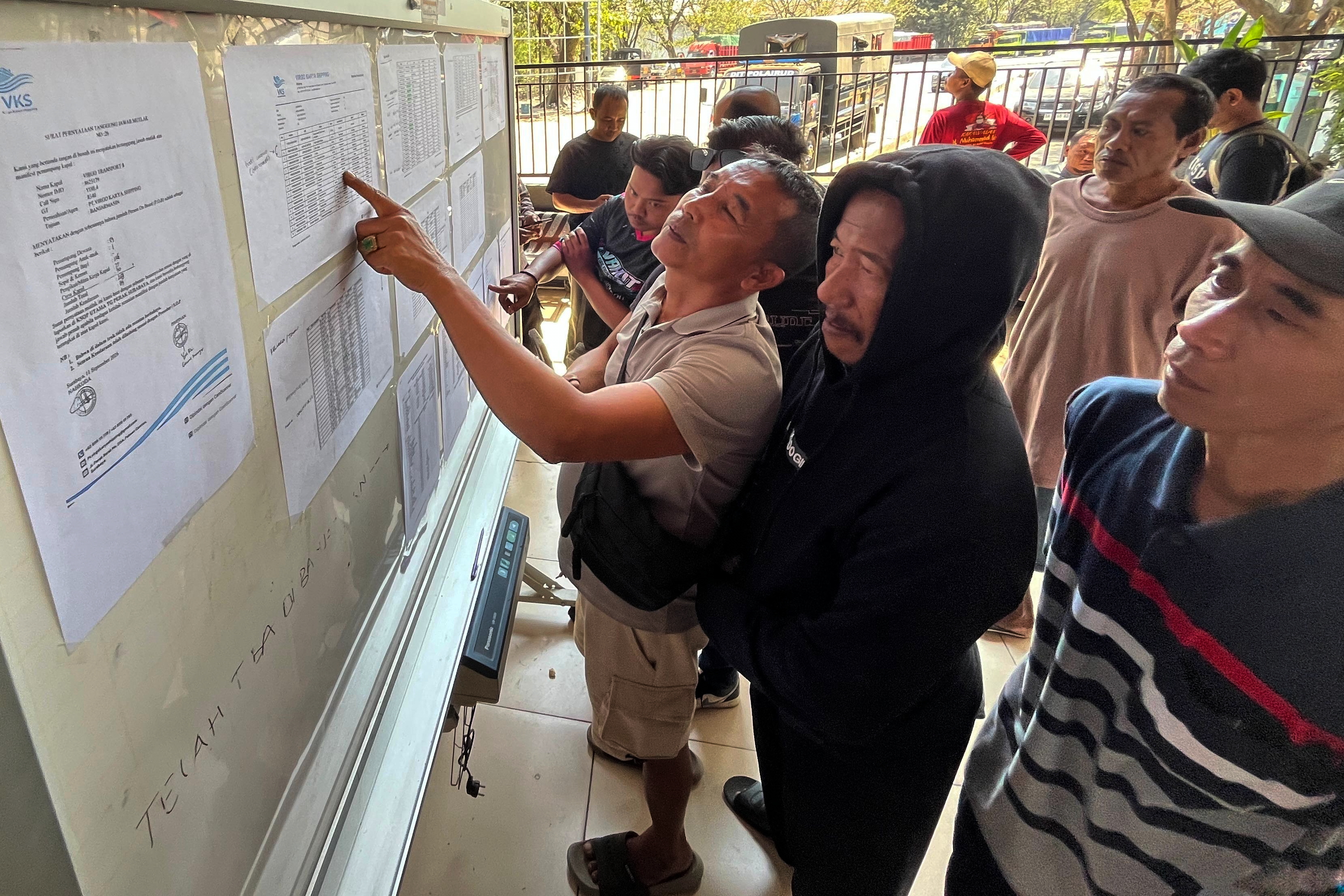
Indonesian search and rescue teams have dramatically escalated operations in the Java Sea, battling severe weather and strong currents as they hunt for 129 individuals still unaccounted for following a devastating ferry capsizing. The vessel, carrying an unconfirmed number of passengers and crew, overturned on Monday in a maritime disaster that has already claimed at least six lives.
The incident, which occurred in a notoriously challenging shipping lane, has prompted a large-scale, multi-agency response, with fears growing for those who remain lost at sea. The sheer scale of the missing persons tally underscores the gravity of the situation unfolding in the waters off Indonesia's bustling coastline.
Challenging Conditions Hamper Rescue Efforts
The search area, vast and dynamic, is proving a significant hurdle for rescue workers. Reports from the Indonesian National Search and Rescue Agency (BASARNAS) indicate that strong winds, high waves, and relentless rain are severely impeding visibility and the deployment of rescue equipment. These adverse conditions, which contributed to the initial capsize, continue to make any sustained recovery effort fraught with peril for those on the front lines.
Maritime experts have noted that the Java Sea, while often calm, can quickly become a maelstrom during the monsoon season or when sudden squalls develop, catching vessels unprepared. The sheer volume of maritime traffic in Indonesian waters, coupled with variable safety standards across smaller operators, often exacerbates the risks when weather turns foul. Authorities are now grappling with the logistical nightmare of deploying sufficient assets – including patrol boats, rubber dinghies, and even local fishing vessels – to cover the expansive search grid.
Initial Accounts and Survivor Stories
While details remain scant, initial reports compiled by NPR World indicate the ferry was traversing a routine route when it encountered the severe weather. Survivors, though few, have recounted terrifying moments as the vessel was overwhelmed by massive waves, leading to its rapid capsize. Their harrowing testimonies paint a picture of a sudden, chaotic event, with many passengers having little to no time to react or don life jackets.
Medical teams are on standby at coastal facilities, preparing to receive any further survivors or victims. The psychological impact on communities awaiting news of their loved ones is profound, with many gathering at ports, hoping for any glimmer of hope. The cost of such an operation, funded by the Indonesian government, will likely run into hundreds of thousands of Australian dollars, considering the deployment of multiple naval and civilian assets over an extended period.
History of Maritime Accidents in the Archipelago
This latest tragedy sadly echoes a recurring pattern of maritime accidents in Indonesia, an archipelago nation heavily reliant on ferry transport. Overloading, poor maintenance, and non-adherence to safety protocols are frequently cited as contributing factors in past incidents, particularly among inter-island services. While major operators often maintain higher standards, smaller, local ferries can sometimes operate with less stringent oversight.
Authorities have pledged a thorough investigation into the cause of this capsize once the immediate search and rescue phase concludes. Questions will undoubtedly be raised regarding the vessel's manifest, its seaworthiness, and whether adequate warnings were issued or heeded before it set sail into the perilous conditions. For now, however, the focus remains squarely on the urgent, desperate task of locating the 129 people still missing at sea.


